Chuncheon and Inje
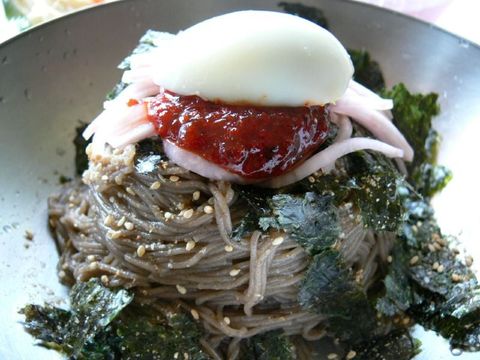
Makguksu (buckwheat noodles)
Buckwheat noodles served in cold radish water kimchi broth or with chilli sauce. You choose which, and broth usually comes on the side.
Written by hand, not generated. Dishes, markets, timing and prices for Gangwon.
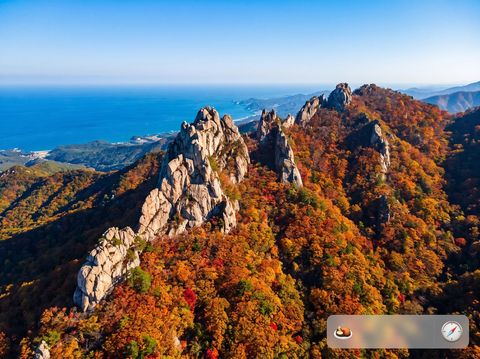
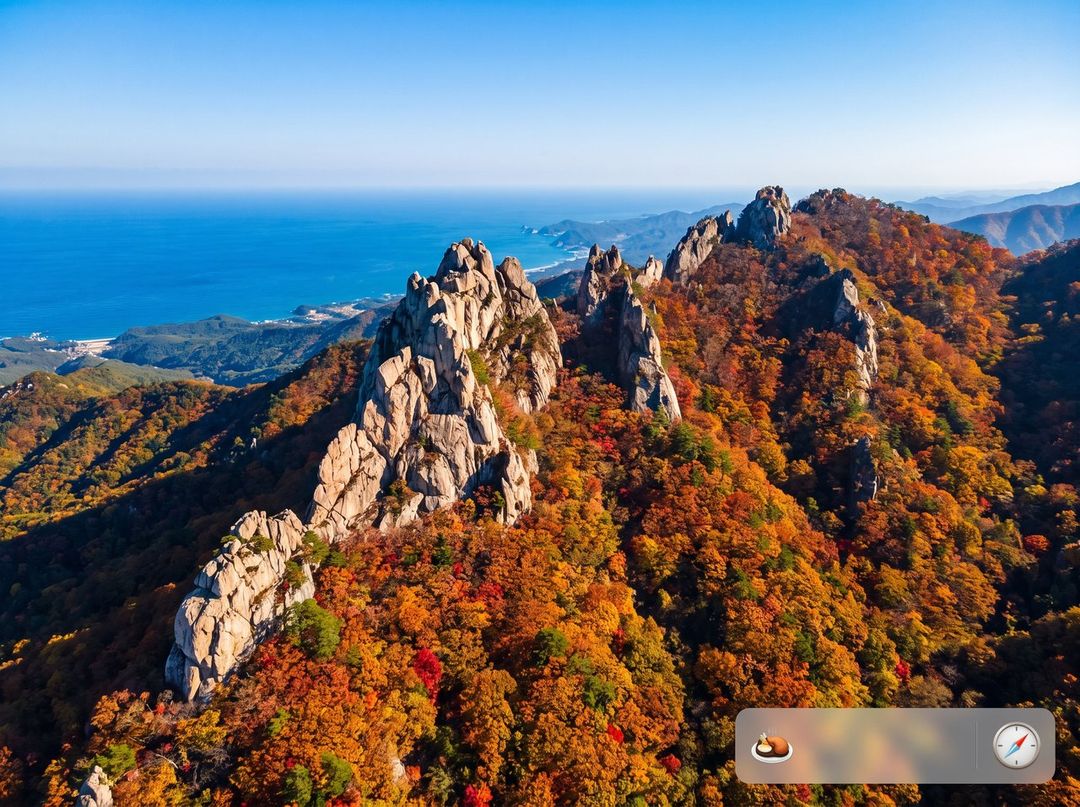
Mountains and sea sit close together here, so upland crops — buckwheat, potato, corn — and East Sea fish share the same table. The winters are long, which is why so much of the local food is dried, frozen and thawed, or otherwise preserved.
Start with the local defaults
Buckwheat noodles served in cold radish water kimchi broth or with chilli sauce. You choose which, and broth usually comes on the side.
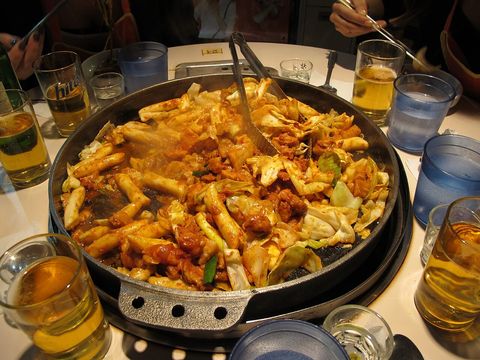
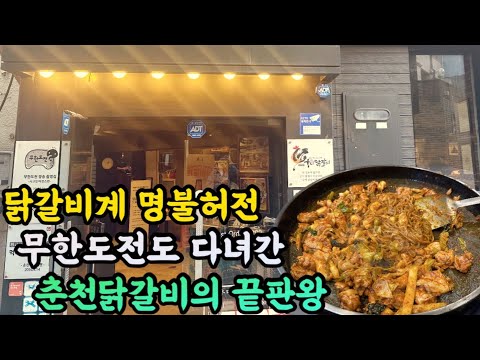
Marinated chicken and vegetables stir-fried on a hot plate; rice is fried in the leftover sauce at the end.
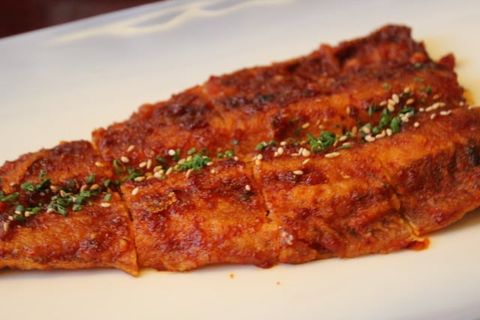
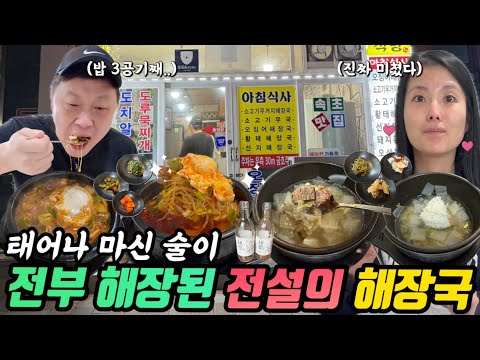
Pollack hung through the winter and repeatedly frozen and thawed. Served as hangover soup or grilled.
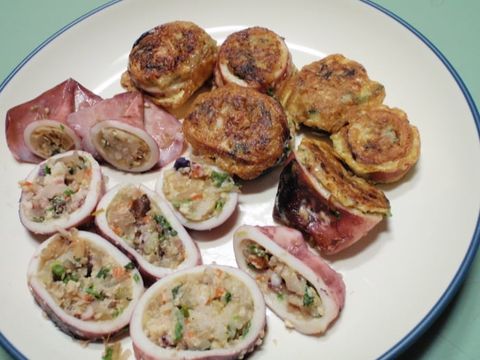
Sausages stuffed into squid bodies or large intestine, from villages settled by people displaced from the north.
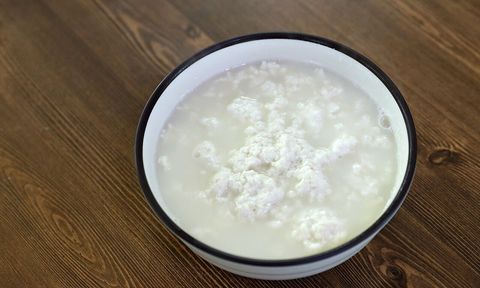
Tofu set with seawater instead of brine. Many shops serve it as breakfast.
Markets, streets and harbours
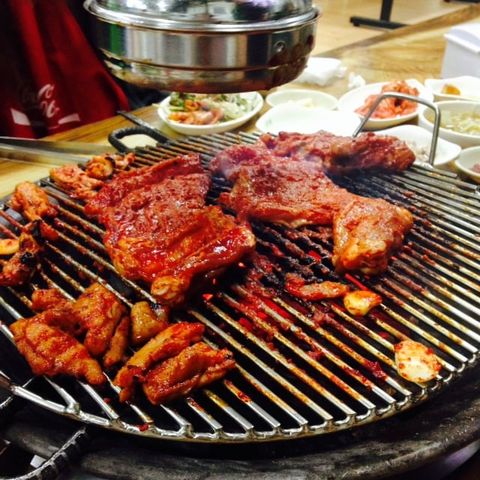
A downtown alley densely packed with dakgalbi restaurants.
Restaurants nearby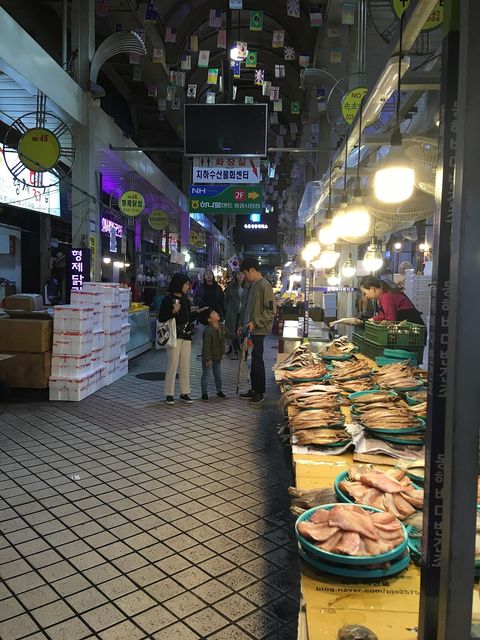
Dried seafood, raw fish and fried chicken, all inside one building.
Restaurants nearby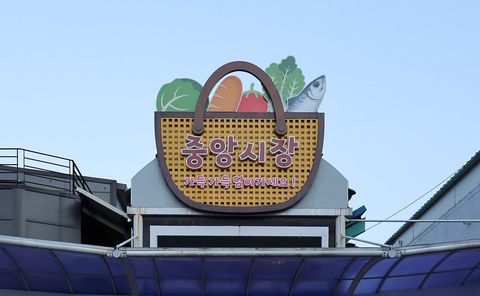
An old town market mixing street food with seafood stalls.
Restaurants nearby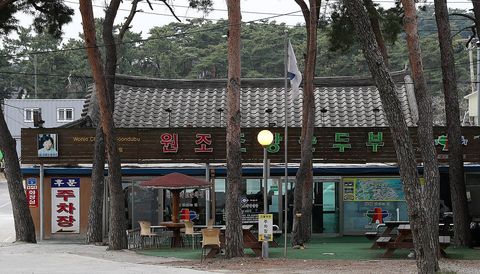
South of Gyeongpo, Chodang-dong is a cluster of soft tofu houses that set their curds with seawater. Many open early, so it is a breakfast destination.
Restaurants nearby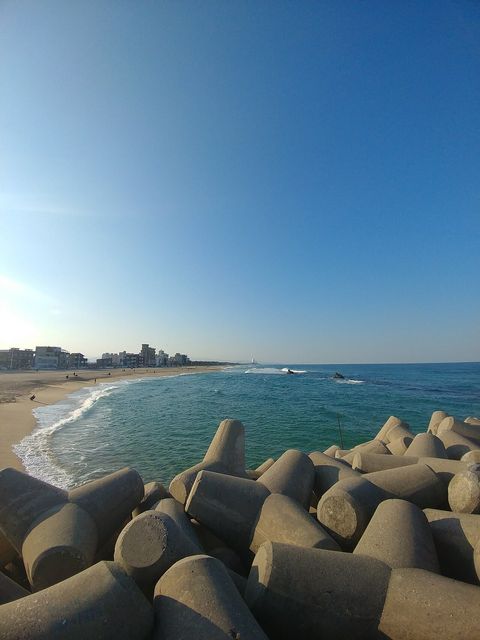
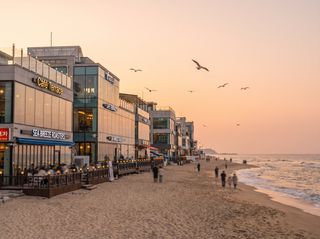
Gangneung cafes lined along the beachfront.
Restaurants nearby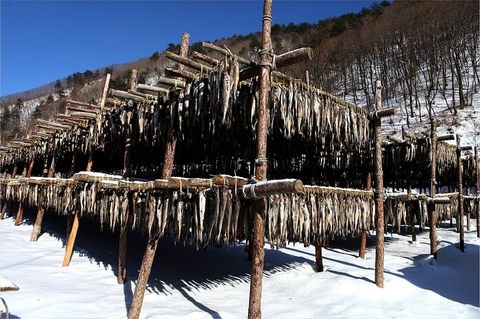
Below the Daegwallyeong pass, Hoenggye-ri has drying racks and restaurants specializing in dried pollack. Grilled pollack and pollack soup sets are standard, best in the winter drying season.
Restaurants nearbyYangyang's largest harbor, ranked among Gangwon's three most beautiful ports; raw-fish centers along the port slice fish caught before dawn.
Restaurants nearbyThe largest five-day market (days ending 4/9) in the Yeongdong region, famous for direct pine-mushroom sales in autumn plus wild greens and seafood.
Restaurants nearbyDakgalbi runs KRW 14,000-16,000 per person, buckwheat noodles KRW 9,000-11,000, and a soft tofu set around KRW 10,000.
Gangwon
Real visits shared by TastyLog foodies
 8
8 7
7