Hiroshima okonomiyaki
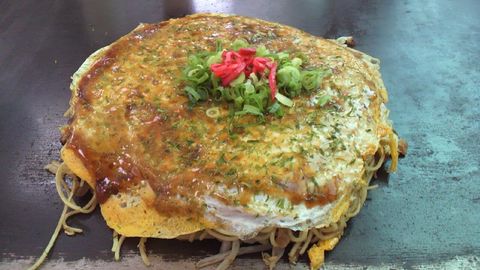
A thin batter layered with cabbage, sprouts, pork, noodles and egg. It takes fifteen to twenty minutes to cook.
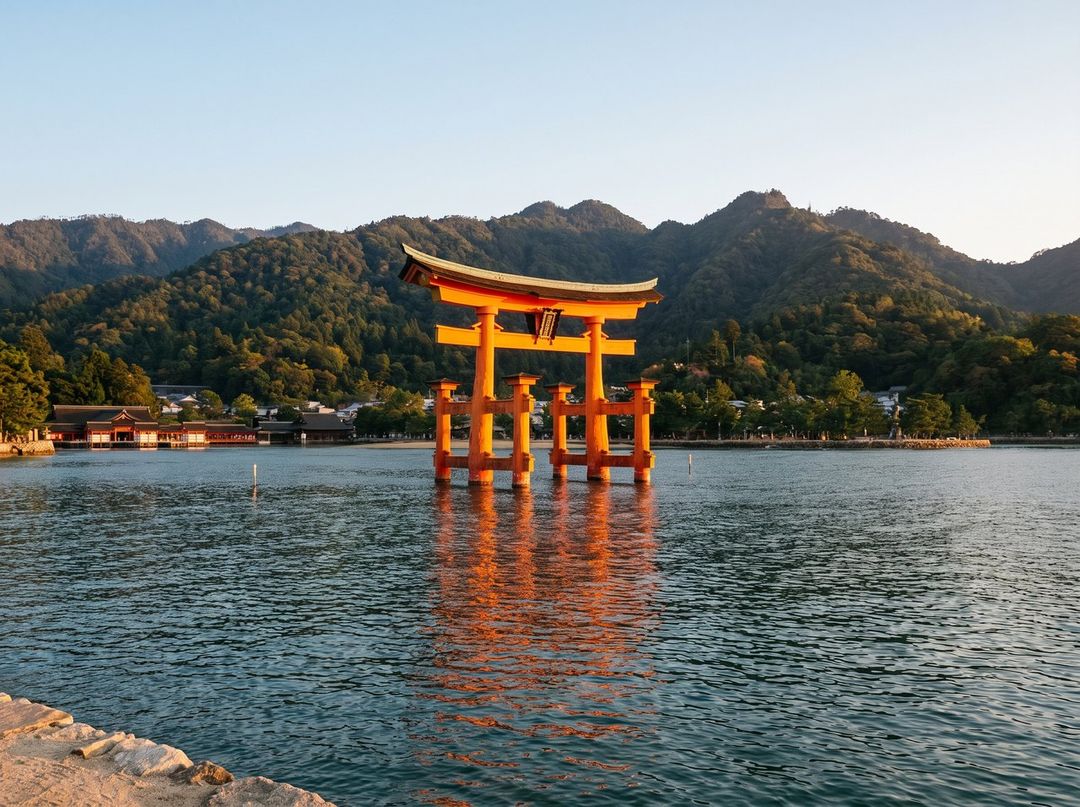
Written by hand, not generated. Dishes, markets, timing and prices for Hiroshima.
Facing the Seto Inland Sea, Hiroshima farms oysters heavily, and its okonomiyaki follows a method of its own. Where Osaka mixes the batter, Hiroshima layers the ingredients and puts fried noodles in the middle.
Start with the local defaults
A thin batter layered with cabbage, sprouts, pork, noodles and egg. It takes fifteen to twenty minutes to cook.
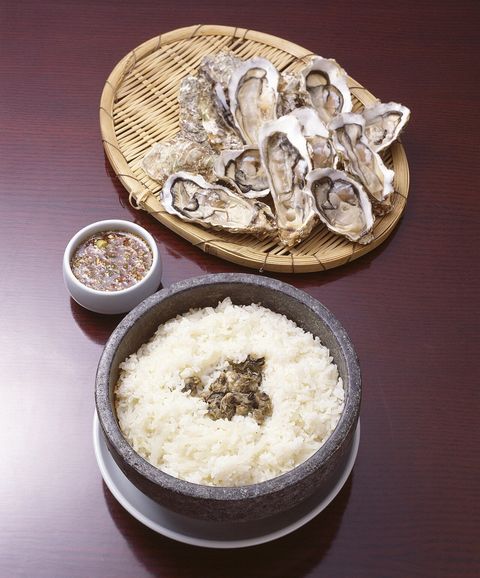
Grilled, fried or steamed. Inland Sea farming keeps supply high, and winter prices low.
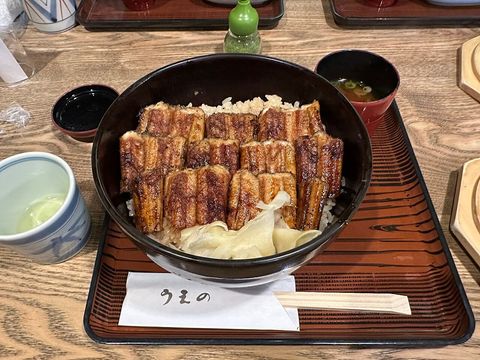
Grilled conger eel over rice — lighter than freshwater eel.
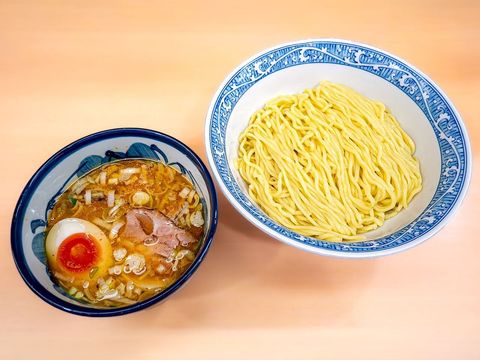
Cold noodles dipped in a chilli sauce, with the heat level chosen at ordering.
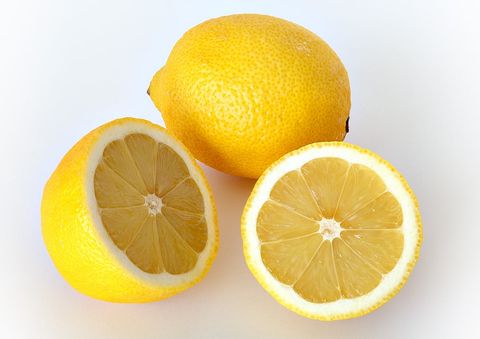
The Inland Sea islands grow lemons, so lemon seasonings and sweets are everywhere.
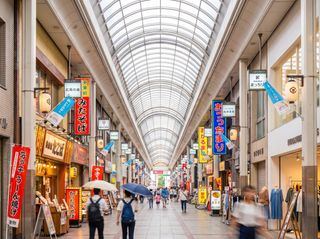
Markets, streets and harbours
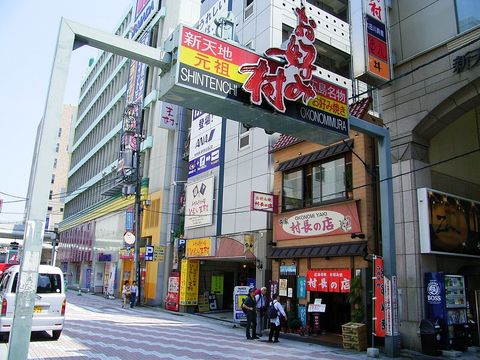
A building stacked floor by floor with okonomiyaki stalls.
Restaurants nearby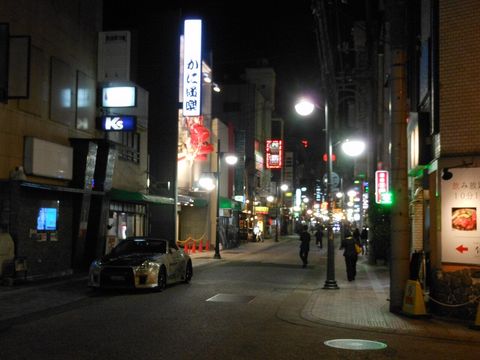
The evening drinking quarter.
Restaurants nearby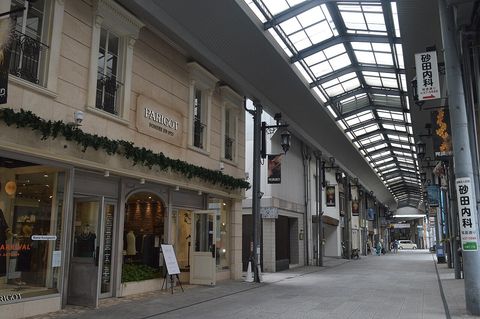
A hillside port town east of Hiroshima and the home of Onomichi ramen, which began as street-stall noodles around 1928. Its soy broth is deepened with Seto Inland Sea fish stock and topped with pork back fat; ramen shops and cafes run along the arcade and waterfront.
Restaurants nearby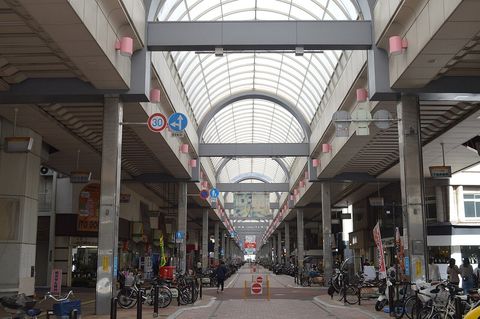
A former naval base city whose local dishes are navy curry, from warship recipes, and Kure reimen cold noodles. Restaurants serving them are scattered around town, with the brick-paved Rengadori arcade as the centre.
Restaurants nearbyOkonomiyaki runs JPY 1,000-1,500, anagomeshi JPY 2,000-3,000, and a plate of grilled oysters JPY 800-1,200.
Hiroshima
Real visits shared by TastyLog foodies