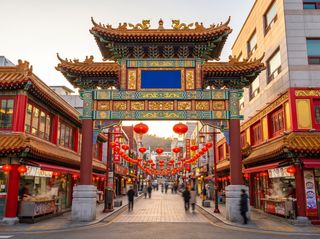
Chinatown
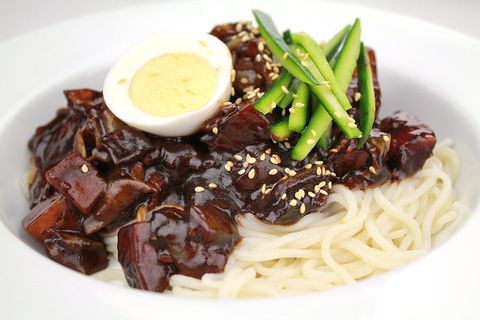
Jajangmyeon (black bean noodles)
Began as a cheap noodle sold to dock workers by Shandong Chinese settlers after the port opened. There is a small museum about it in Chinatown.
Written by hand, not generated. Dishes, markets, timing and prices for Incheon.
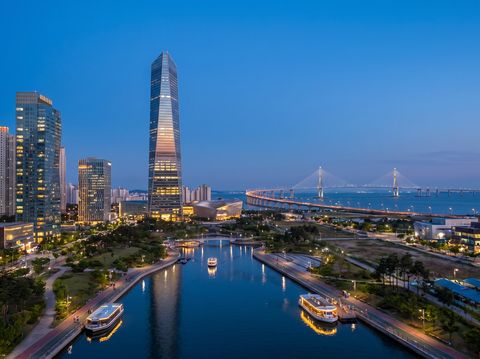
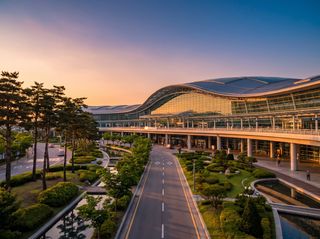
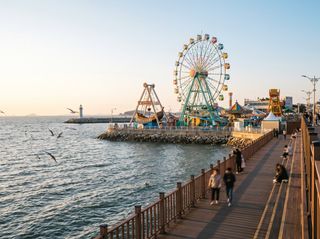
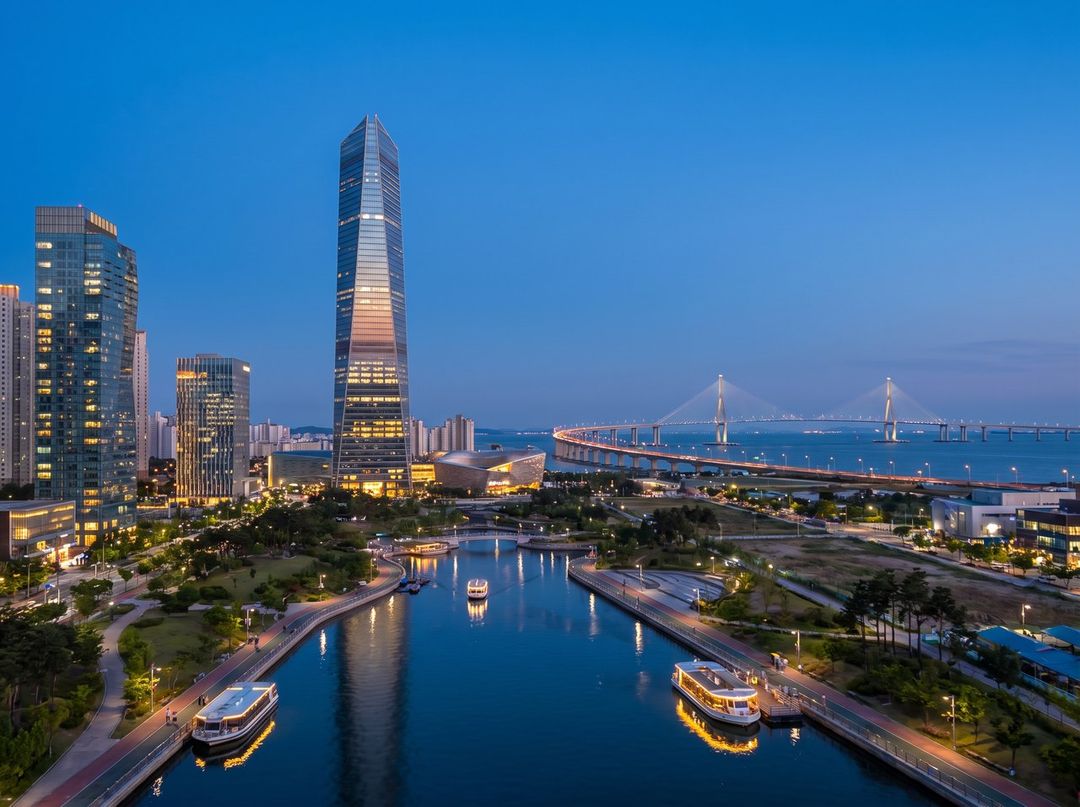
Incheon holds a treaty port, a working harbour and a set of islands in one city. Korean black bean noodles started in its Chinatown, and Soraepogu and Yeonan Pier bring in crab, shrimp and salted seafood as each season turns. Downtown food and harbour food are two different things here.
Start with the local defaults
Began as a cheap noodle sold to dock workers by Shandong Chinese settlers after the port opened. There is a small museum about it in Chinatown.
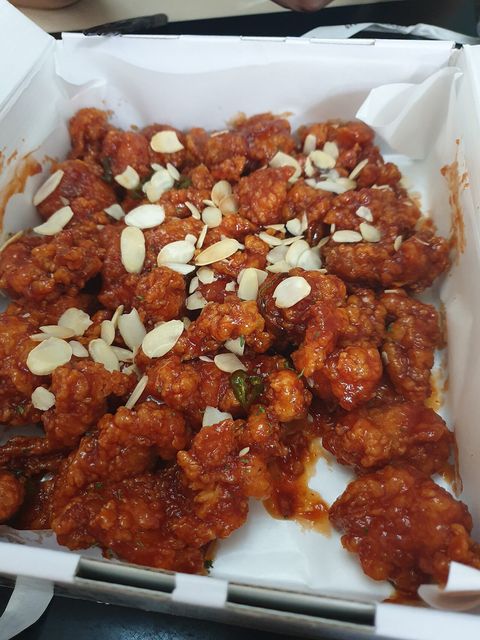
Large pieces of fried chicken tossed in a sweet chilli glaze, sold by the tub and meant for sharing.
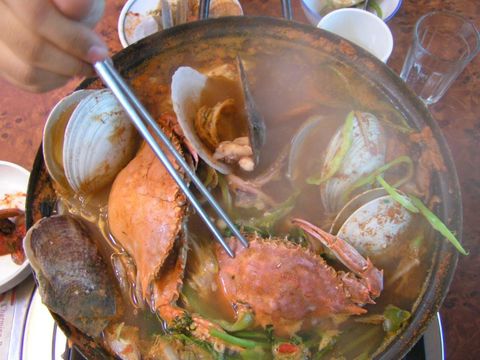
Roe-heavy females in spring, meatier males in autumn.
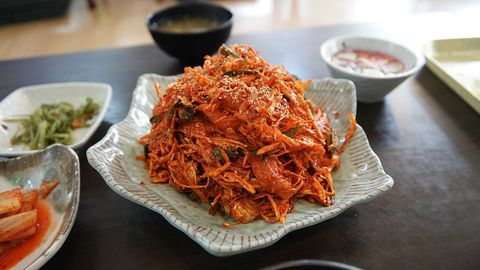
An oily little fish tossed with vegetables and chilli vinegar dressing. The season is short.
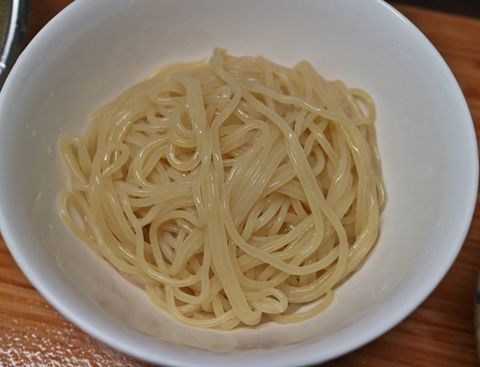
Thick springy noodles in a spicy sauce, said to have come out of a noodle factory in this city.
Markets, streets and harbours
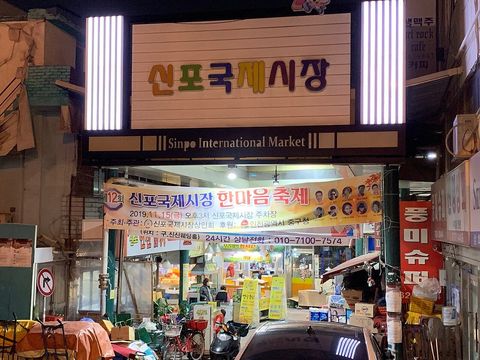
A downtown market for fried chicken, dumplings and street snacks.
Restaurants nearby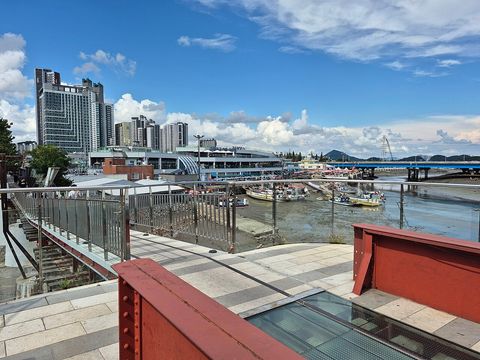
A harbour market for salted shrimp, blue crab and prawns; buy at a stall and have it steamed on the spot.
Restaurants nearbyA large market focused on live fish and raw fish platters.
Restaurants nearby
A big traditional market north of Bupyeong Station with rice cake shops, trotter and sausage lanes and snack stalls. It is where locals shop and grab dinner.
Restaurants nearby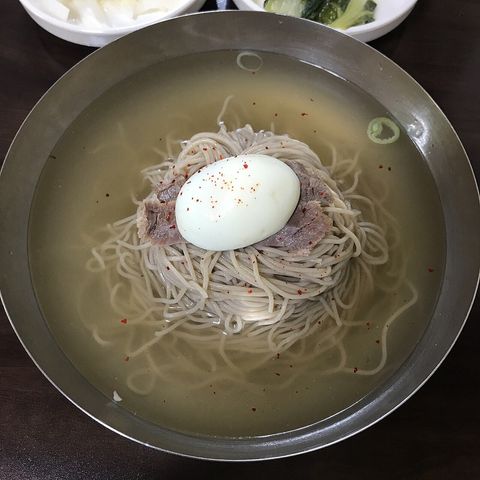
Near Dongincheon Station, Hwapyeong-dong is known for washbasin-sized bowls of cold noodles. A summer street famous for portion size.
Restaurants nearby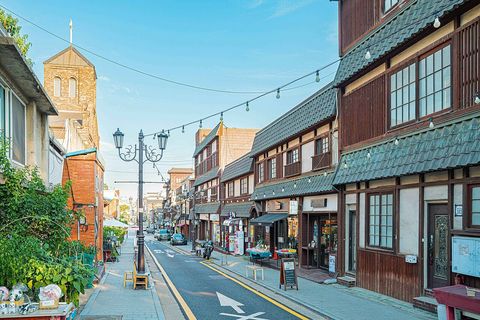
Cafes and bakeries set among preserved early-modern buildings.
Restaurants nearbyBlack bean noodles run KRW 7,000-9,000, a tub of sweet crispy chicken about KRW 20,000, and crab stew around KRW 50,000 for two.
Incheon
Real visits shared by TastyLog foodies
 6
6 8
8