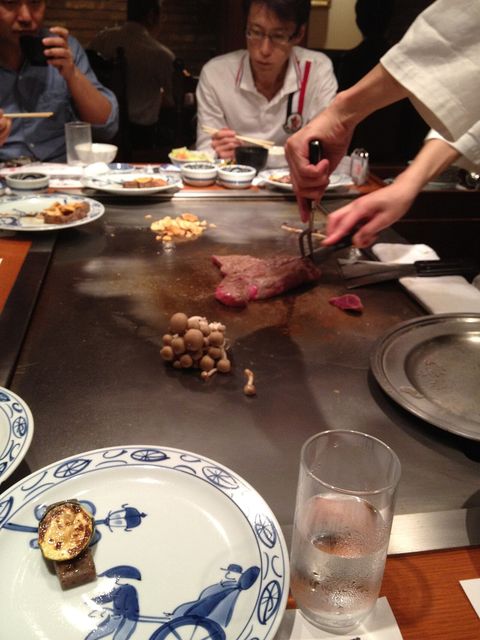
Kobe beef teppanyaki
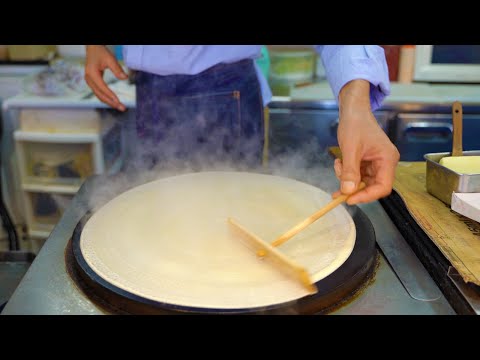
Grilled on a plate in front of you. Lunch courses cost far less than dinner.
Written by hand, not generated. Dishes, markets, timing and prices for Kobe.
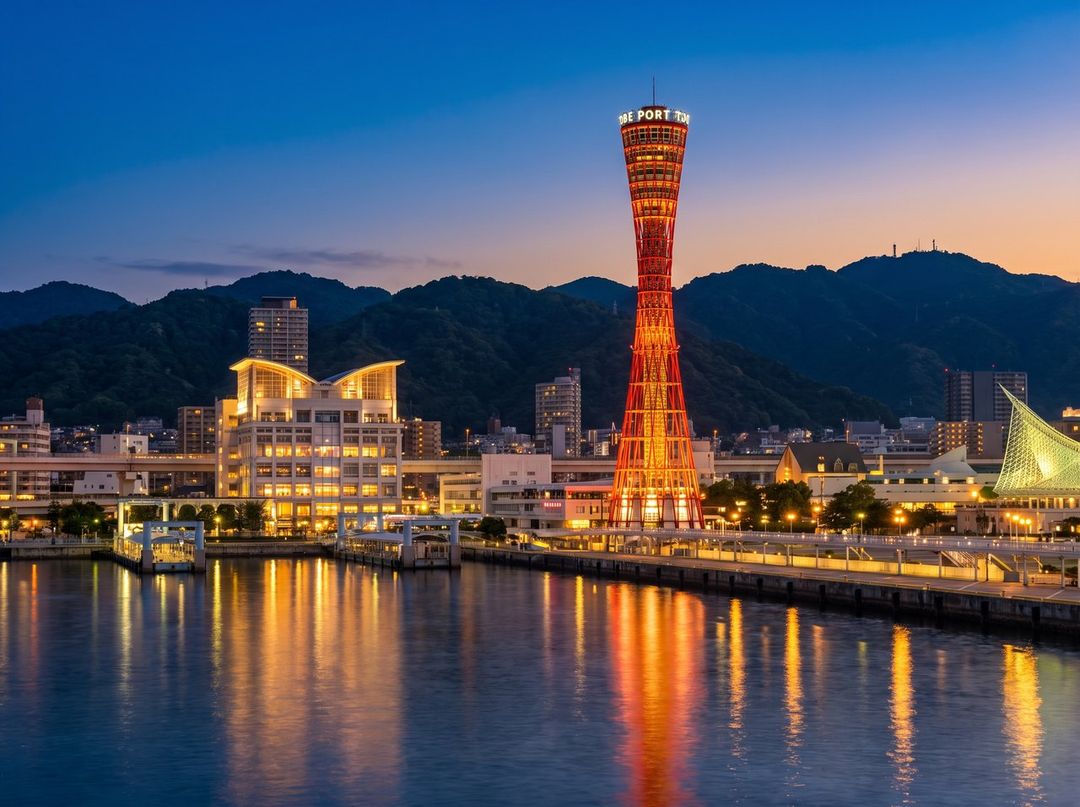
Kobe is a narrow city pressed between the harbour and the mountains. Western confectionery and Chinese cooking took root here after the port opened, and while the beef brand is what it is known for, daily eating leans more towards griddle cooking and bakeries.
Start with the local defaults
Grilled on a plate in front of you. Lunch courses cost far less than dinner.
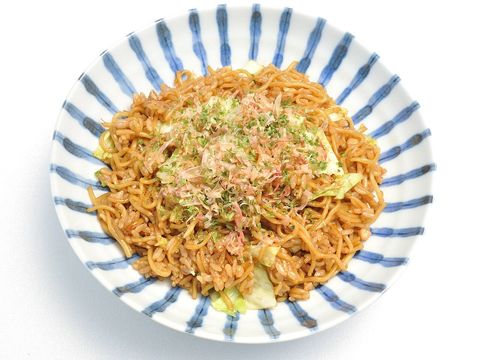
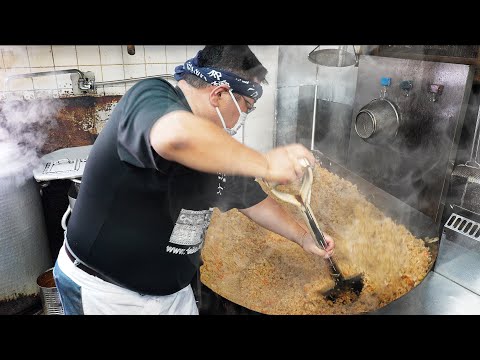
Fried noodles and rice cooked together on the griddle — a dish that came from factory workers.
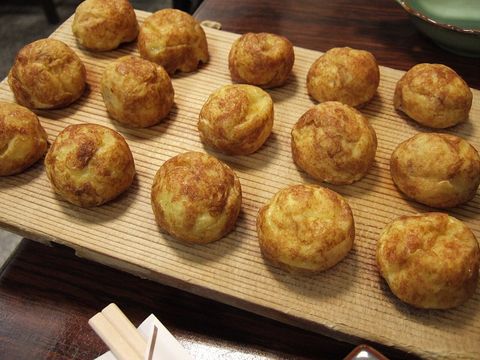
An egg-heavy octopus batter, cooked and then dipped in dashi. Not the same thing as takoyaki.
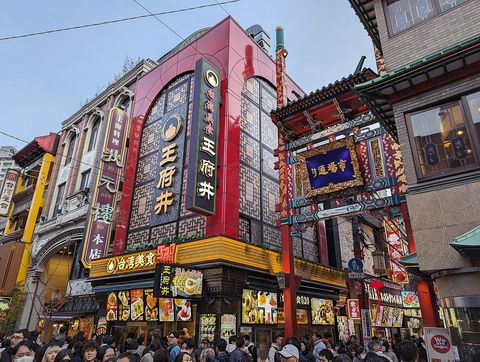
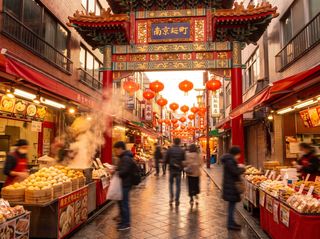
The old harbour-side Chinese quarter survives, with dumpling and noodle shops clustered together.
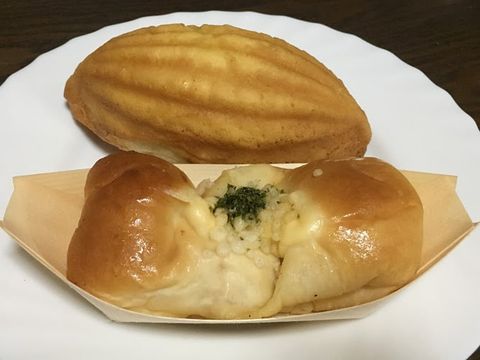
Bakeries dating from the treaty port era give the city an unusually wide range of cakes and loaves.
Markets, streets and harbours
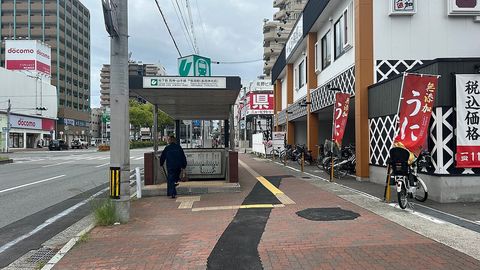
Where the griddle shops serving sobameshi are.
Restaurants nearby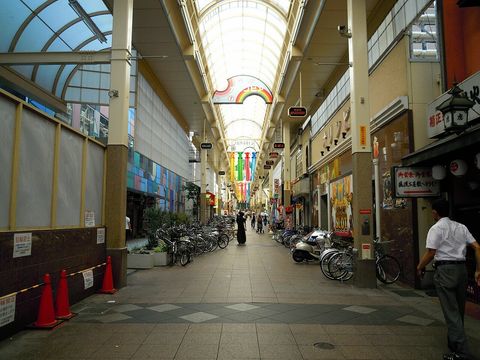
An old entertainment district west of Sannomiya, once lined with theatres and known as the Asakusa of the west. Standing bars and Western-style diners that have run for over half a century survive; more working-class local than tourist.
Restaurants nearbyA teppanyaki lunch course runs JPY 5,000-10,000, sobameshi JPY 700-900, and Chinatown snacks JPY 300-600.
Kobe
Real visits shared by TastyLog foodies
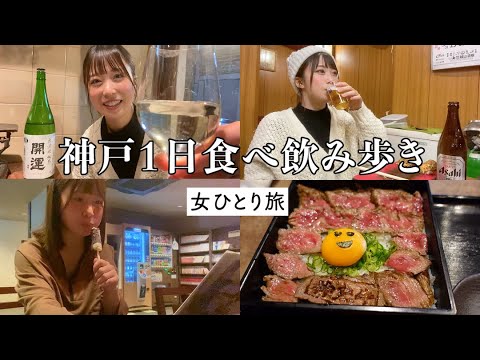 5
5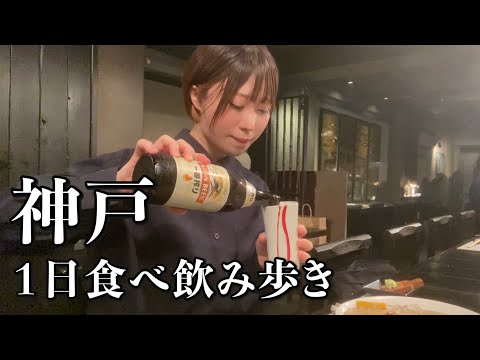 4
4