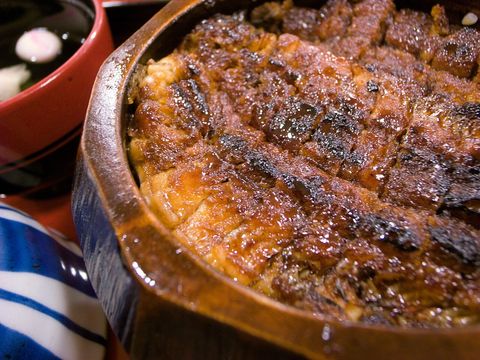
Hitsumabushi
Grilled eel chopped over rice, eaten in three set stages — plain, with condiments, then with broth poured over.
Written by hand, not generated. Dishes, markets, timing and prices for Nagoya.
Nagoya cooks with a lot of red bean miso, which makes its sauces and broths dark and faintly sweet. The local menu is clearly codified as "Nagoya meshi", and the city keeps its morning service habit: order coffee early and toast comes with it.
Start with the local defaults
Grilled eel chopped over rice, eaten in three set stages — plain, with condiments, then with broth poured over.
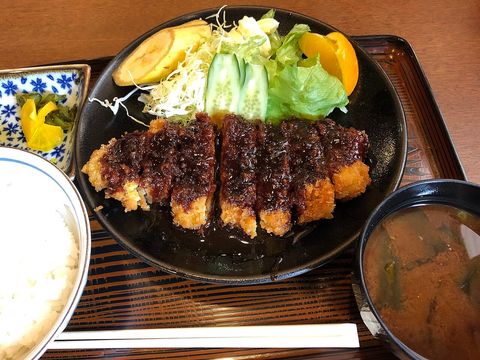
Pork cutlet under a red miso sauce, far darker and sweeter than the usual dressing.
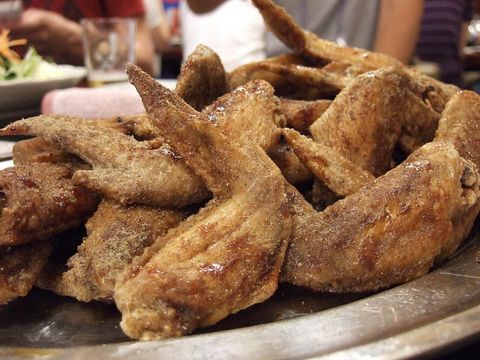
Fried chicken wings glazed sweet-salty and dusted with pepper. Drinking food.
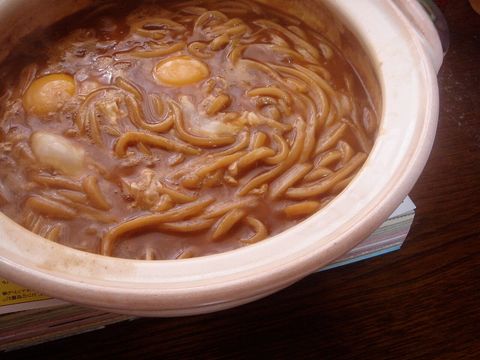
Udon simmered in miso broth and served in the earthenware pot. The noodles stay firm.
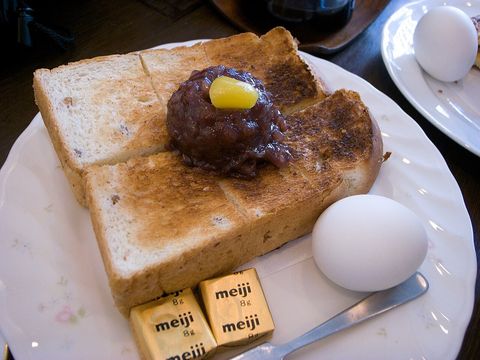
Toast with butter and sweet red bean paste, usually served alongside morning coffee.
Markets, streets and harbours
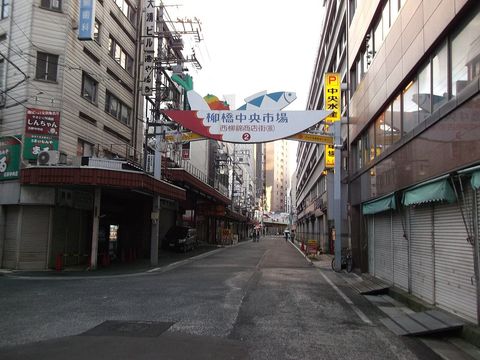
Five minutes on foot from Nagoya Station, a downtown fish market that began as a wholesalers' lane in 1910 and is still called the kitchen of the city. After the early wholesale trade, market diners serve seafood bowls and sushi through the morning.
Restaurants nearby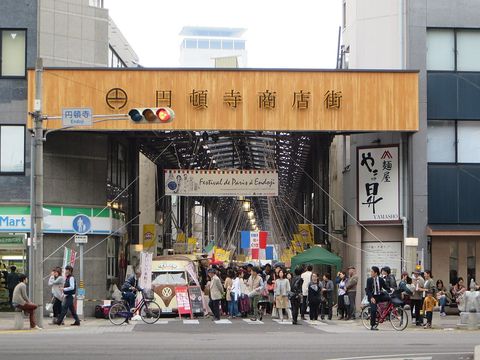
Between Nagoya Station and Nagoya Castle, one of the oldest arcades in the city, descended from an Edo-period merchant quarter. Long-running shops sit beside new cafes and diners, and weekend street markets are frequent.
Restaurants nearby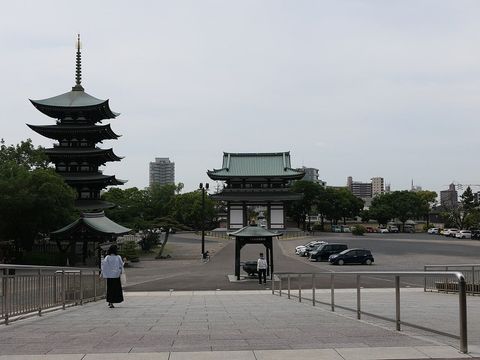
Quieter lanes of cafes and independent shops.
Restaurants nearbyHitsumabushi runs JPY 4,000-6,000, miso katsu JPY 1,200-1,800, and miso udon JPY 1,000-1,400.
Nagoya
Real visits shared by TastyLog foodies
 3
3