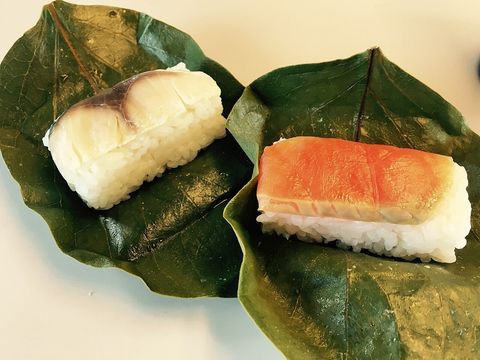
Kakinoha zushi
Salted fish on rice, wrapped in a persimmon leaf. It comes from how an inland region preserved fish.

Written by hand, not generated. Dishes, markets, timing and prices for Nara.
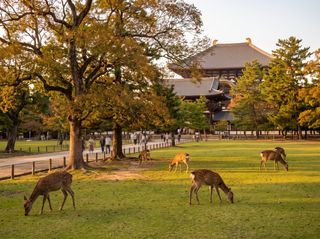
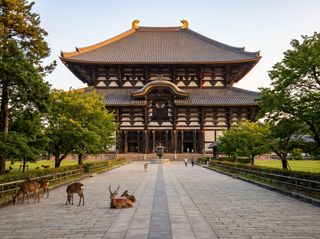
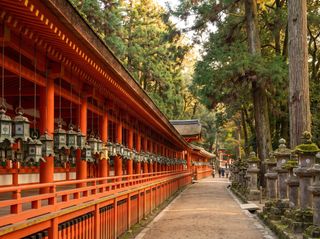
Ancient temples and shrines sit in the middle of the city, and around them survive preserved foods — pickles, dried somen, pressed sushi. Restaurants close early here, so a common plan is to eat in Nara by day and take dinner in Osaka or Kyoto.
Start with the local defaults
Salted fish on rice, wrapped in a persimmon leaf. It comes from how an inland region preserved fish.
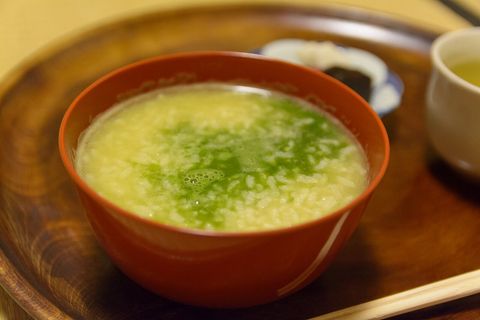
A thin rice porridge cooked with roasted tea, descended from temple breakfasts.
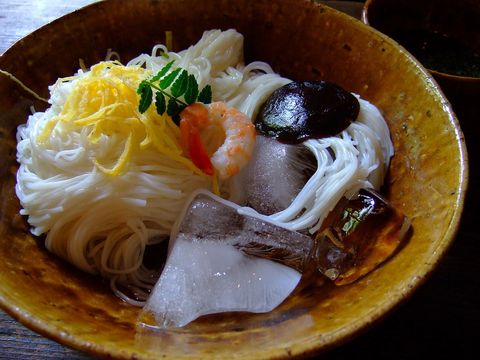
Very fine dried wheat noodles, served chilled in summer and in hot broth in winter.
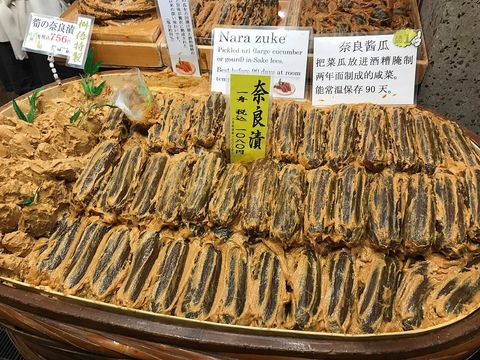
Vegetables pickled long in sake lees — strongly aromatic.
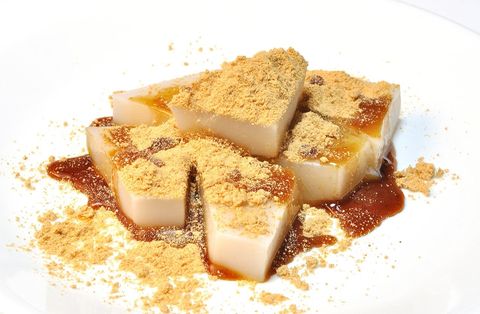
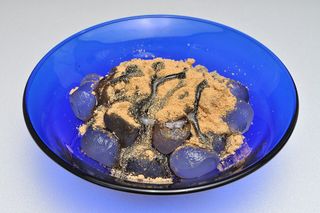
A translucent cake of arrowroot starch, eaten with soy flour and dark syrup.
Markets, streets and harbours
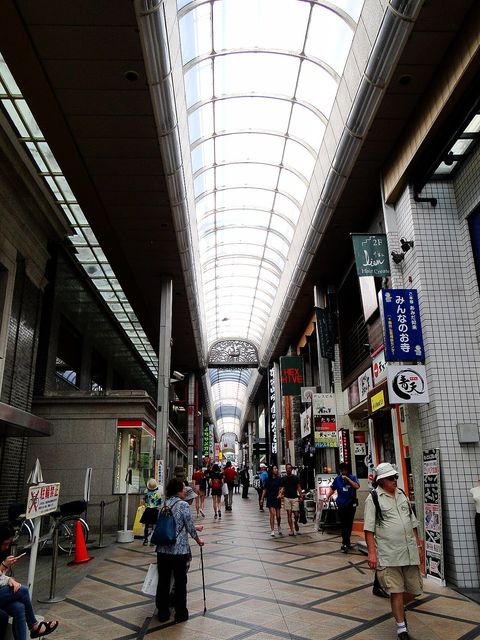
The covered shopping street between the station and the park.
Restaurants nearby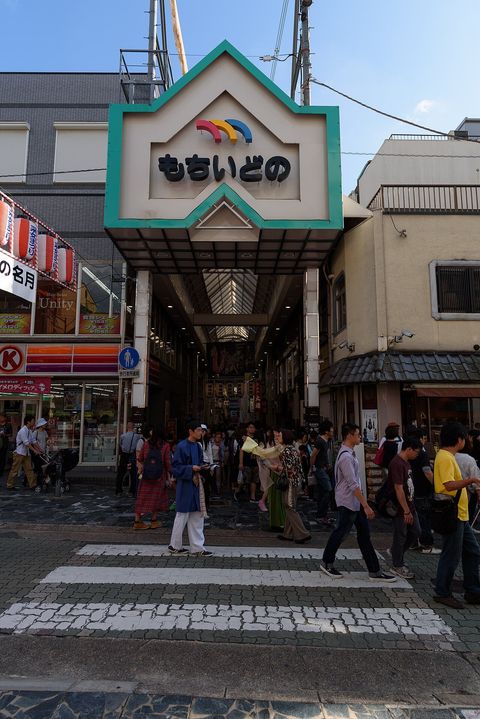
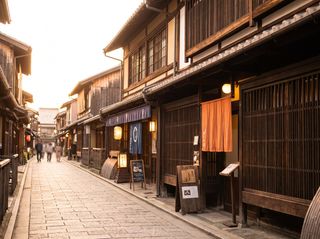
A 250 m arcade continuing south from Higashimuki across Sanjo-dori, said to be the oldest shopping street in Nara with trade dating back to the Nara period. Old confectioners and diners sit among cafes, and it reaches the edge of Naramachi.
Restaurants nearby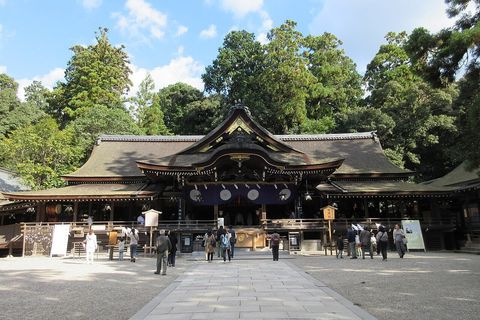
The somen producing district, with noodle makers and restaurants side by side.
Restaurants nearby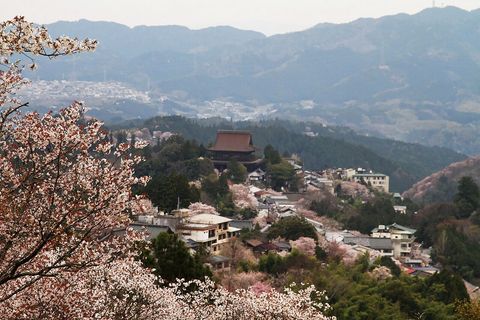
The approach up Mount Yoshino, famous for cherry blossoms, is the home ground of persimmon-leaf sushi and kuzu mochi. The sushi began as an Edo-period way of preserving salted mackerel in persimmon leaves along the Yoshino River, and the area is also the source of kuzu starch sweets.
Restaurants nearbySix pieces of kakinoha zushi run JPY 1,000-1,500, a chagayu set JPY 1,500-2,500, and somen JPY 800-1,200.
Nara
Real visits shared by TastyLog foodies