Jochiwon
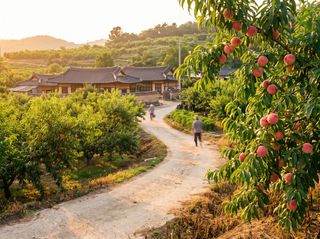
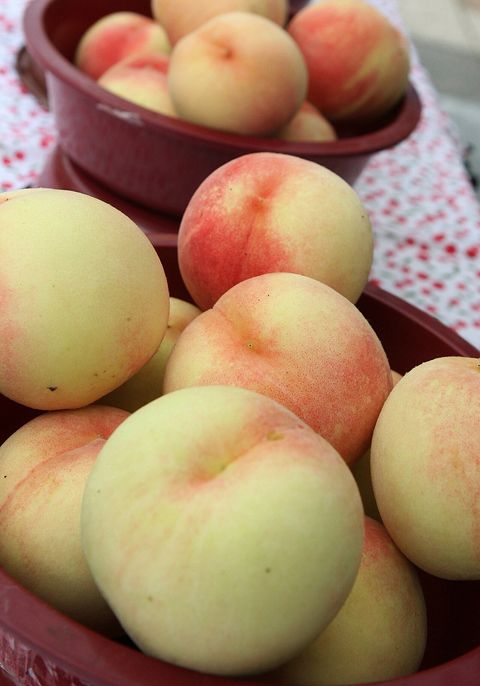
Jochiwon peaches
A summer fruit from the sunny low hills, sold at direct markets and roadside stands through July and August.
Written by hand, not generated. Dishes, markets, timing and prices for Sejong.
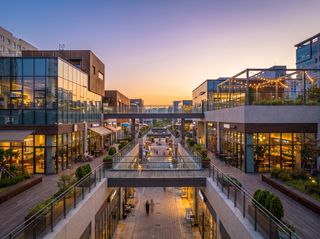
Sejong was created as an administrative capital in 2012, so it has newly built commercial districts rather than inherited local dishes. What actually shapes eating here is the old market town of Jochiwon, its orchards, and farmland that runs right up to the edge of the new downtown.
Start with the local defaults
A summer fruit from the sunny low hills, sold at direct markets and roadside stands through July and August.
With farmland adjoining the city, vegetables picked in the morning are on sale at direct-sale stores the same day, along with tofu and fermented pastes.
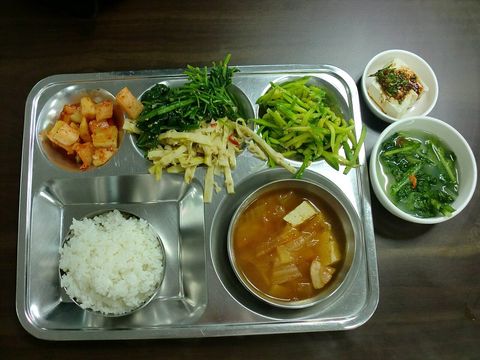
A government-office district, so tables turn over fast around noon and prices sit within a narrow band.
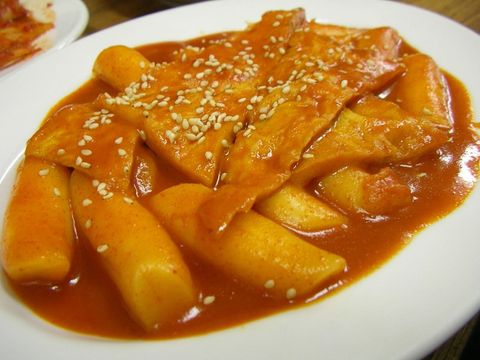
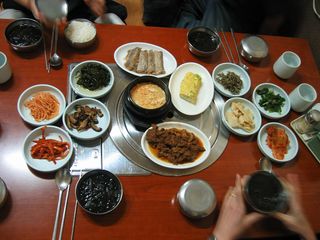
The older food of the pre-2012 town centre.
Markets, streets and harbours
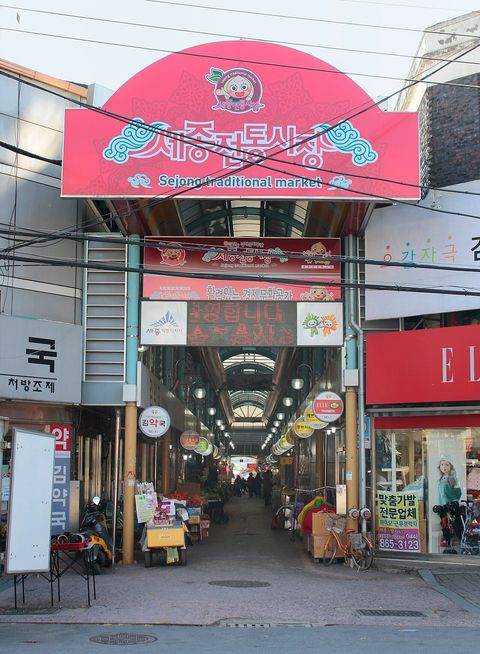
The oldest market in the city, and unmistakably different in feel from the new downtown.
Restaurants nearby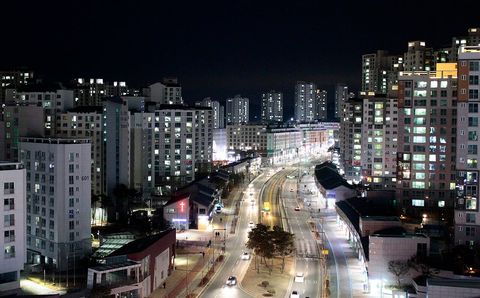
The new downtown restaurant strip, busiest at weekday lunch and dinner.
Restaurants nearby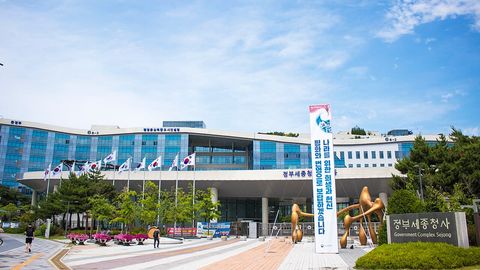
Around the Government Complex in Eojin-dong, restaurants serve the office crowd. Fast-turnover set meals and soups dominate at lunch; evenings are quiet.
Restaurants nearby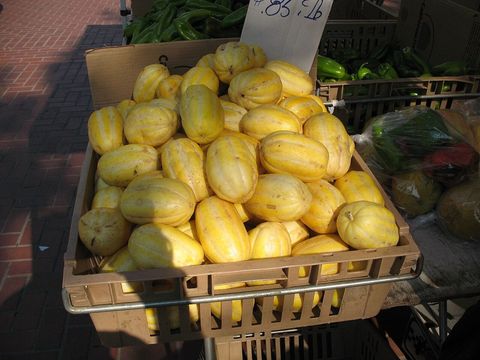
Several outlets across the city where nearby farms deliver the same day.
Restaurants nearby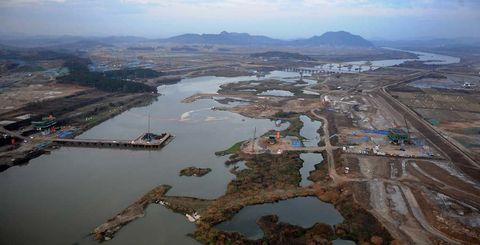
Along the highway south of the Geum River, Geumnam-myeon has scattered country restaurants serving acorn jelly rice, handmade tofu and spicy fish stew. A weekend drive of about 15 minutes from the new town.
Restaurants nearbyA weekday lunch set meal typically runs KRW 9,000-11,000.
Sejong
Real visits shared by TastyLog foodies