Tsukiji Outer Market and Ginza
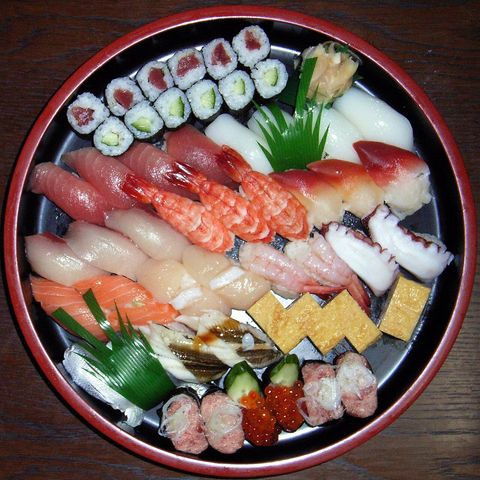
Sushi
Many counters serve the same fish at lunch for around half the evening price. At the counter you eat each piece as it is set down.
Written by hand, not generated. Dishes, markets, timing and prices for Tokyo.
Tokyo holds shops that make one dish for a lifetime and food from everywhere else in the world, in the same city. Many places seat barely ten people at a counter, which is why lunch service moves so fast. Restaurants split clearly into those you must book and those where you simply queue.
Start with the local defaults
Many counters serve the same fish at lunch for around half the evening price. At the counter you eat each piece as it is set down.
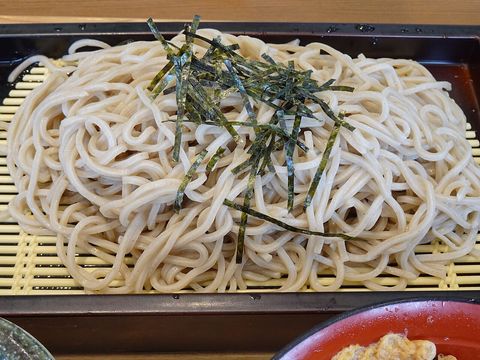
Named by how much buckwheat is in the flour. The local way is to dip only the end of the noodles into the sauce.
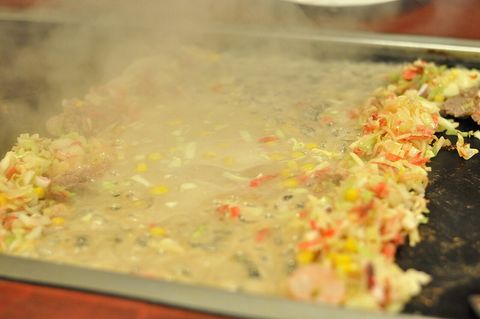
A loose batter worked flat on the griddle and scraped up with a small spatula. A Tokyo dish.
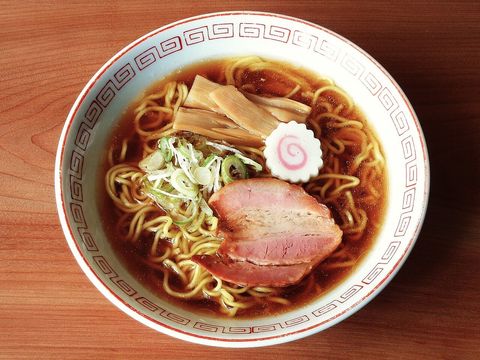
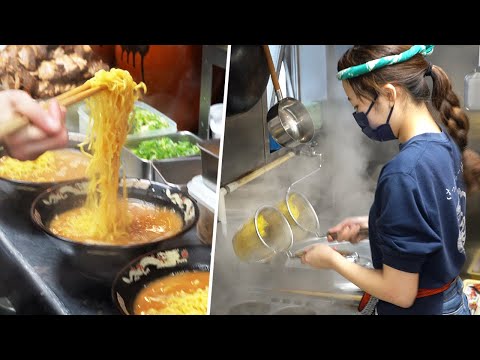
The Tokyo baseline is a clear soy broth, but every regional style is represented, so you can compare them in one city.
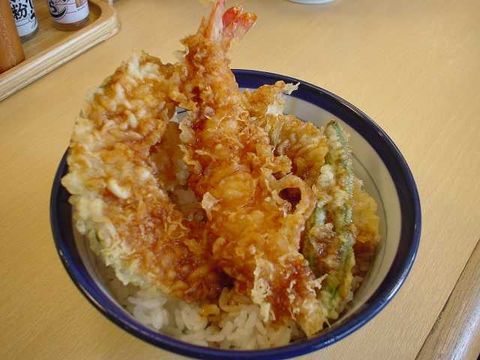
Tempura over rice with a sweet-salty sauce poured over. A common lunch set.
Markets, streets and harbours
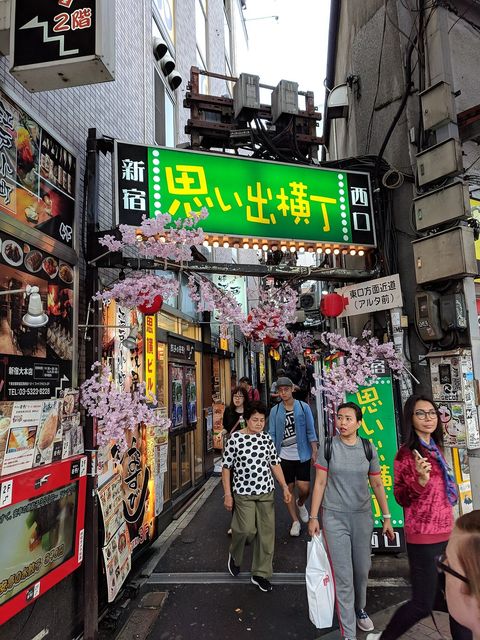
A narrow alley packed with grilled skewer bars — an evening drinking quarter.
Restaurants nearby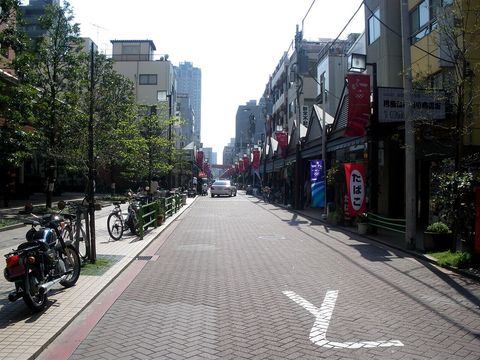
A street given over to monjayaki restaurants.
Restaurants nearby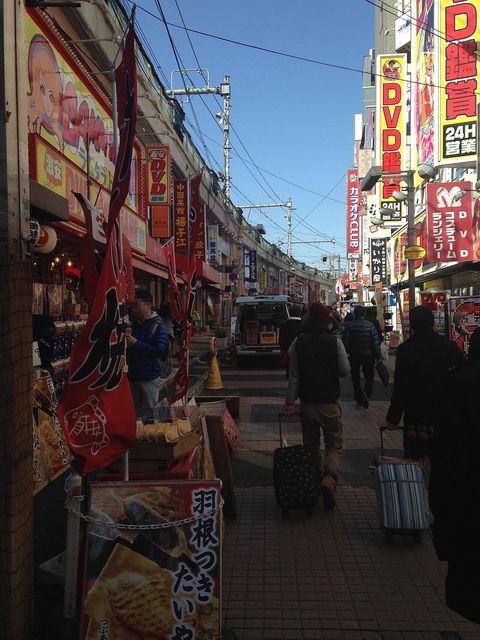
A market street of some 400 stalls under the tracks between Ueno and Okachimachi. It grew out of postwar black-market candy (ame) stalls; today seafood and fruit vendors mix with standing bars, busy from noon into the evening.
Restaurants nearby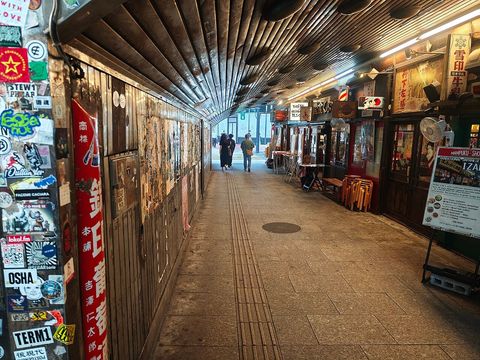
Izakaya and yakitori joints packed under the brick railway arches, built in 1910, between Yurakucho and Shimbashi. A drinking strip with postwar black-market roots that fills with office workers after hours, a classic Tokyo evening scene.
Restaurants nearby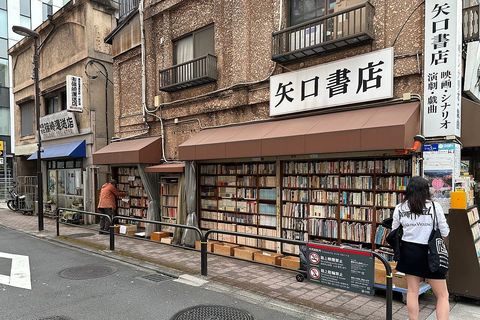
Known for its secondhand bookshops, Jimbocho is also called a curry mecca. The story goes that students liked a dish they could eat one-handed while reading; European-style and spice curries now line the side streets.
Restaurants nearbyRamen or soba runs JPY 900-1,300, a sushi lunch set JPY 1,500-3,000, and an izakaya evening JPY 3,000-5,000 per person.
Tokyo
Real visits shared by TastyLog foodies
 5
5