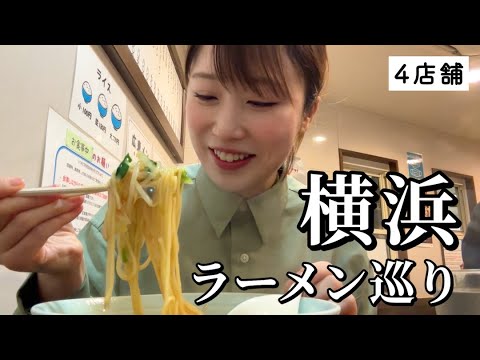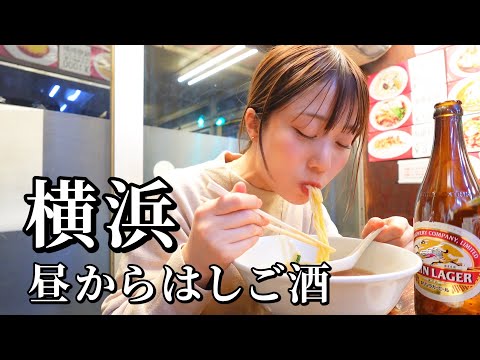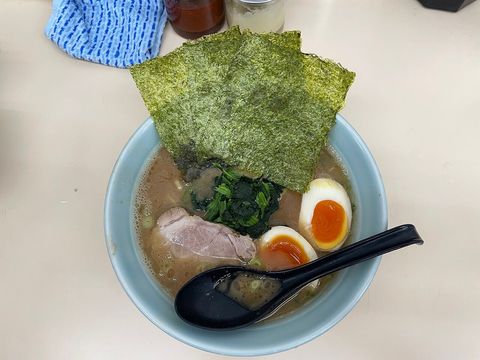
Iekei ramen
A heavy pork-and-soy broth. You specify noodle firmness, oil level and seasoning strength when ordering.
Written by hand, not generated. Dishes, markets, timing and prices for Yokohama.
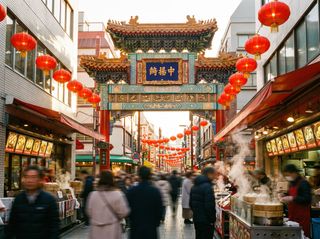
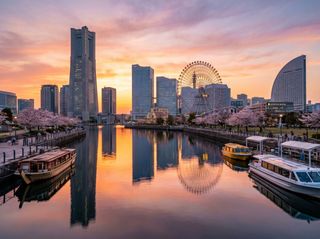
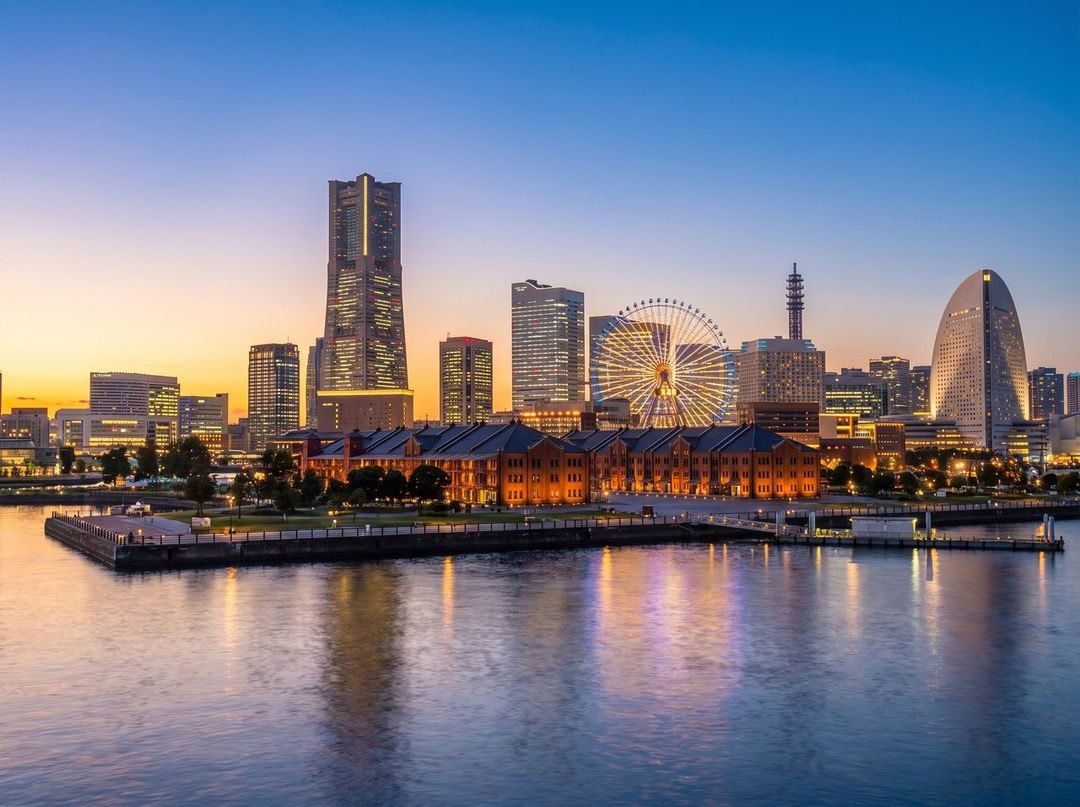
Yokohama grew out of a treaty port, and a lot of its food is foreign cooking that settled here in a Japanese form. It holds the largest Chinatown in Japan, and dishes that took their shape in this city — thick soy-pork ramen, ketchup spaghetti — are still served as they were.
Start with the local defaults
A heavy pork-and-soy broth. You specify noodle firmness, oil level and seasoning strength when ordering.
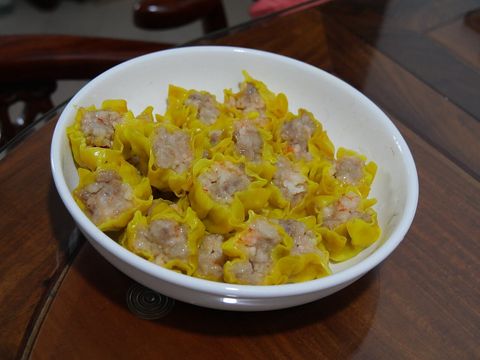
Bite-sized steamed dumplings, sold boxed and long established as train travel food.
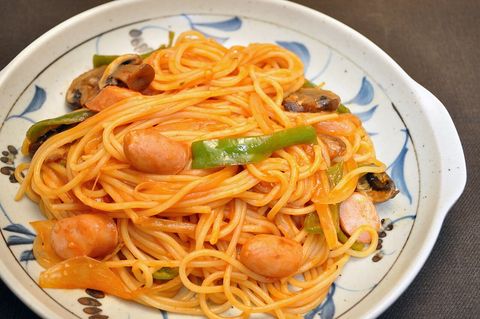
Spaghetti fried with ketchup, generally credited to a hotel in this city after the war.
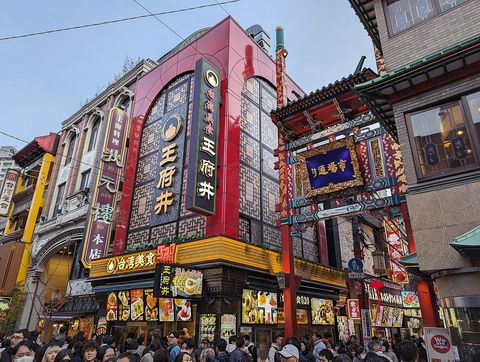
Cantonese, Shanghai and Sichuan kitchens sit within one district, so you can compare the traditions.
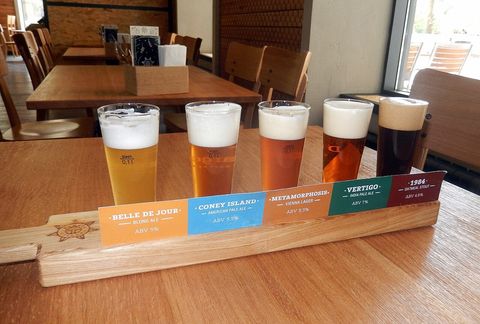
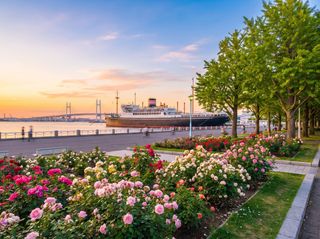
Breweries and taprooms around the harbour, with food built to go with them.
Markets, streets and harbours
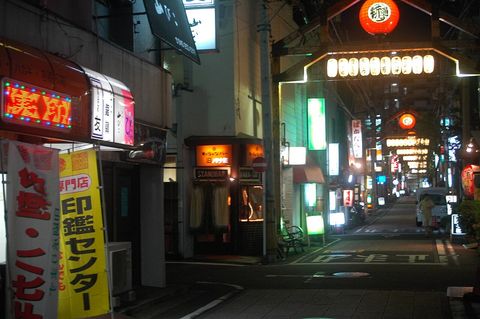
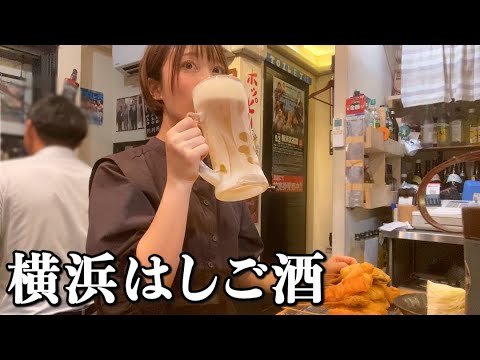
An evening quarter dense with small bars.
Restaurants nearby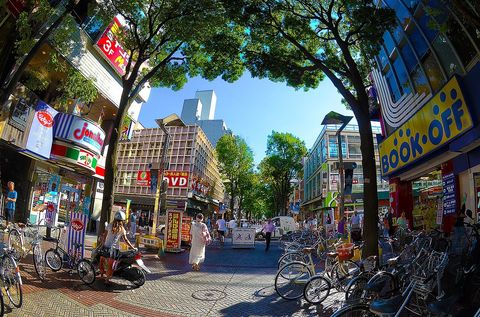
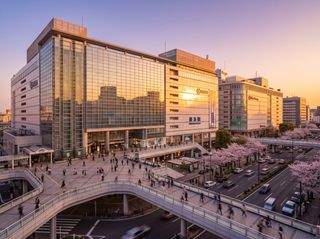
An old district south of Kannai Station: the Isezakicho arcade, revived as a pedestrian street after the war, and Yoshidamachi, a retro dining quarter where a Taisho-era bank vault now serves as a private room. With Noge, the evening quarter of the locals.
Restaurants nearby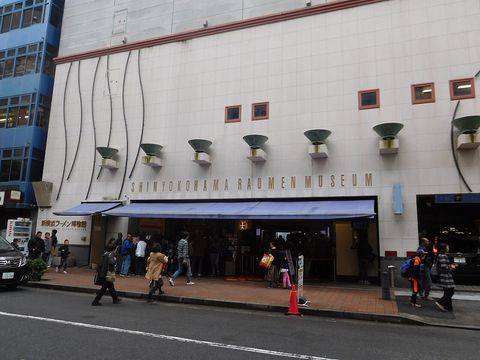
Home to a ramen attraction that gathers regional styles in one building.
Restaurants nearbyRamen runs JPY 900-1,200, a Chinatown course from JPY 3,000, and a shumai bento JPY 900-1,300.
Yokohama
Real visits shared by TastyLog foodies