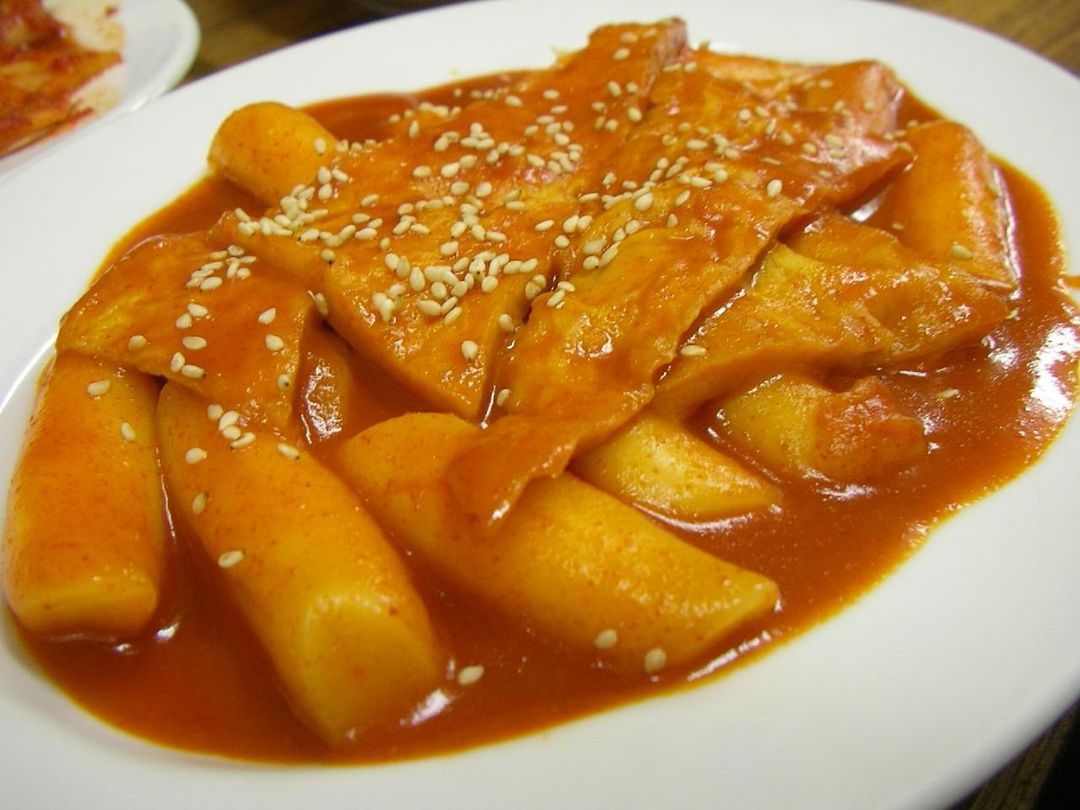
Pilgrimage to Seoul’s Centennial Restaurants — 5 Places Worth Waiting in Line For
Concentrated in the Euljiro and Jongno areas, this course can be completed on foot in a single day. For Uraeok and Hadonggwan, it is safest to arrive 30 minutes before opening on weekends; since Hadonggwan closes in the early afternoon if ingredients run out, it is best to visit before lunch. While Gwangjang Market accepts cards, the turnover is much faster if you have cash. Finish off the day by recharging your energy with tteokbokki in Sindang-dong.
Uraeok
우래옥
Hadonggwan
하동관
Imun Seolleongtang
이문설농탕
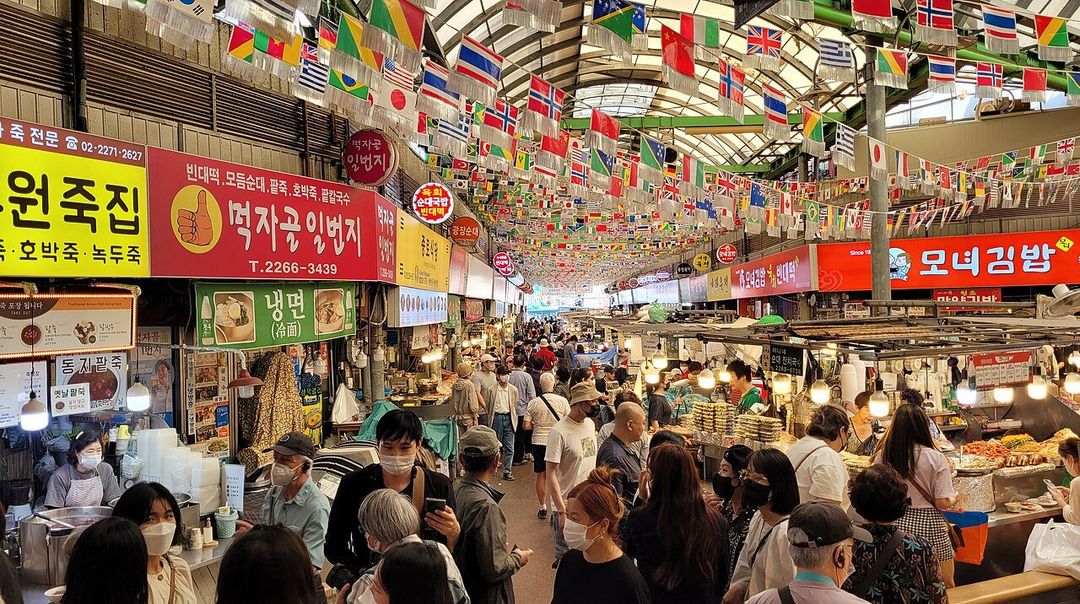
Gwangjang Market Food Alley
광장시장 먹자골목
Sindang-dong Tteokbokki Town
신당동 떡볶이 타운
Uraeok
우래옥
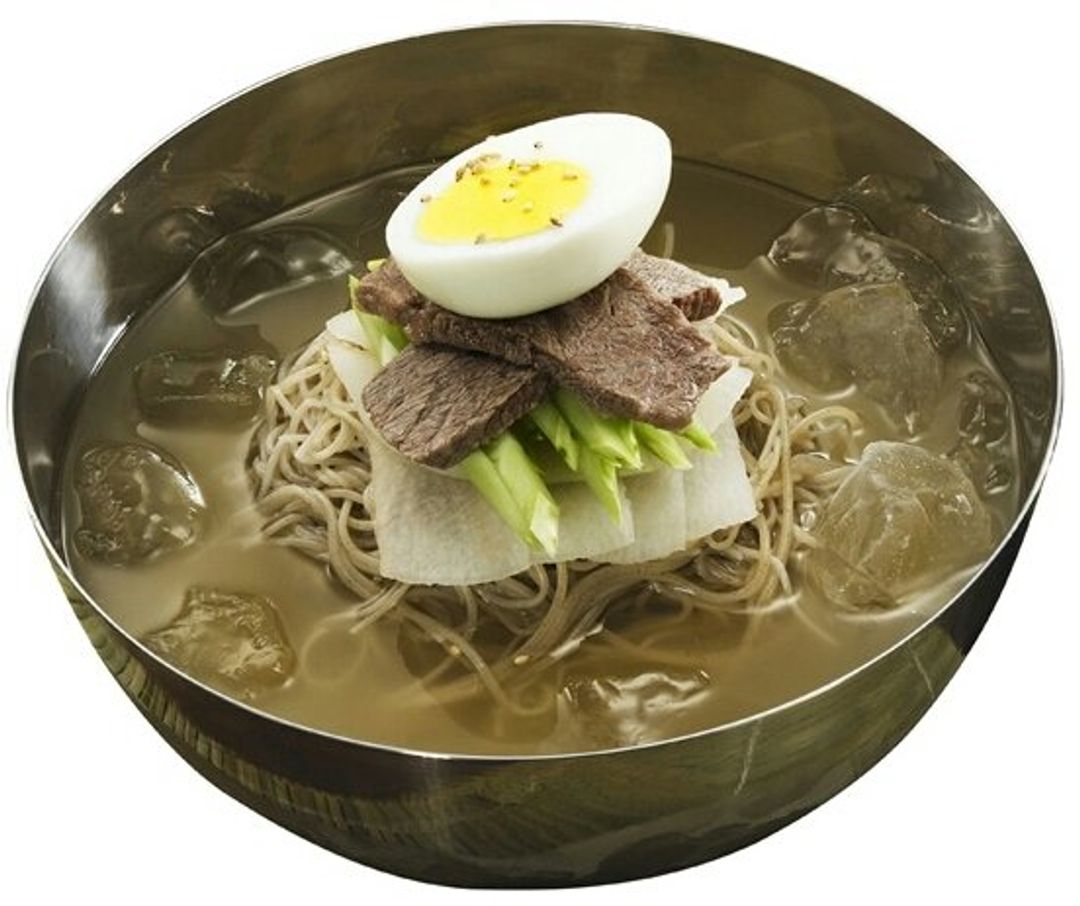
The quintessential long-standing Pyongyang Naengmyeon restaurant. The classic combination of bulgogi and naengmyeon is the standard, and on weekends, you should arrive before opening to minimize the wait.
Hadonggwan
하동관
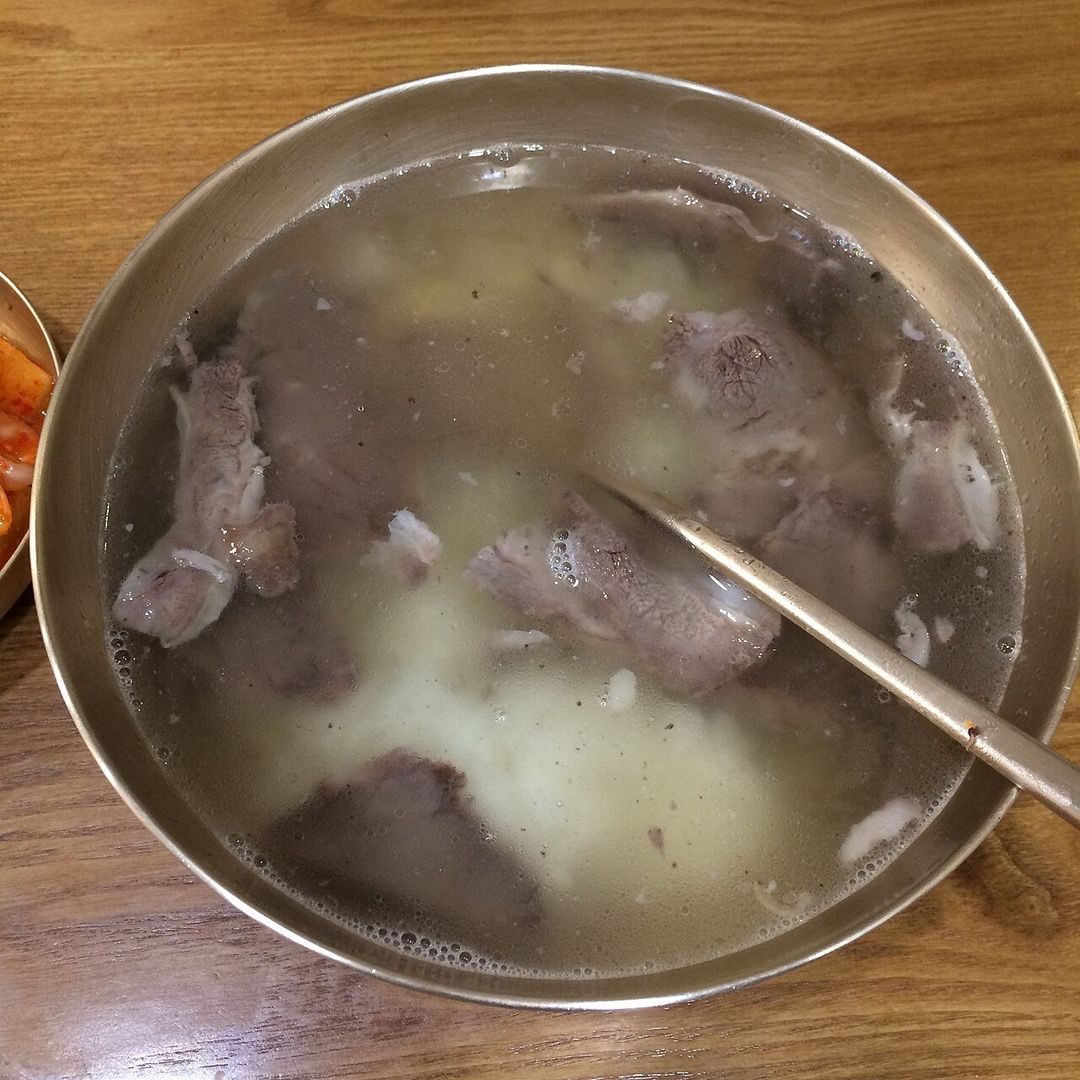
A long-standing gomtang restaurant established in 1939. Adding extra offal is a special treat, and they close early when ingredients run out, so be sure to visit before lunch.
Imun Seolleongtang
이문설농탕
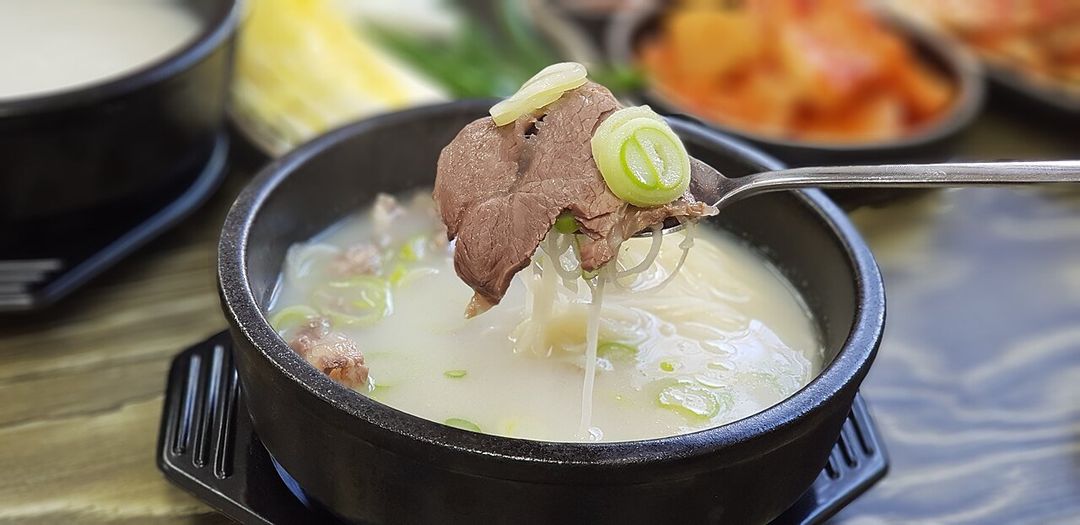
This place is known as the oldest seolleongtang restaurant in Seoul. Adding a half plate of boiled beef slices makes for a hearty meal, and you adjust the salt seasoning yourself at the table.
Gwangjang Market Food Alley
광장시장 먹자골목
Bindaetteok, Mayak Gimbap, and Yukhoe are the three main menu items. The Yukhoe Alley is quiet between 4 and 5 PM because there are long lines during the evening peak.
Sindang-dong Tteokbokki Town
신당동 떡볶이 타운
The original alley for instant tteokbokki. The set course includes adding jjolmyeon and ramen noodles to the basic plate, and finally, fried rice.