Hai Phong Crab Noodle Holy Land — From Banh Da Cua to Spicy Banh Mi
Hai Phong is a two-and-a-half-hour train ride from Hanoi, and because there are fewer tourists, you can experience authentic local prices. Old-fashioned crab noodle (Ban Da Cua) shops mainly do business in the morning, so you must visit in the morning, and they only accept cash (VND). Note that in some neighborhoods, it is easier to catch a local taxi than Grab.
Bandakueo Bakkwa (Kkeoudot)
반다꾸어 바꾸 (꺼우덧)
Banh Mi Kai Bazaar (Le Loi)
반미까이 바자 (레러이)
Con Market (Jjeokon)
꼰 시장 (쩌꼰)
Ga Market (Jjeoga) Food Alley
가 시장 (쩌가) 먹자골목
Rak Chai Food Street
락짜이 먹자거리
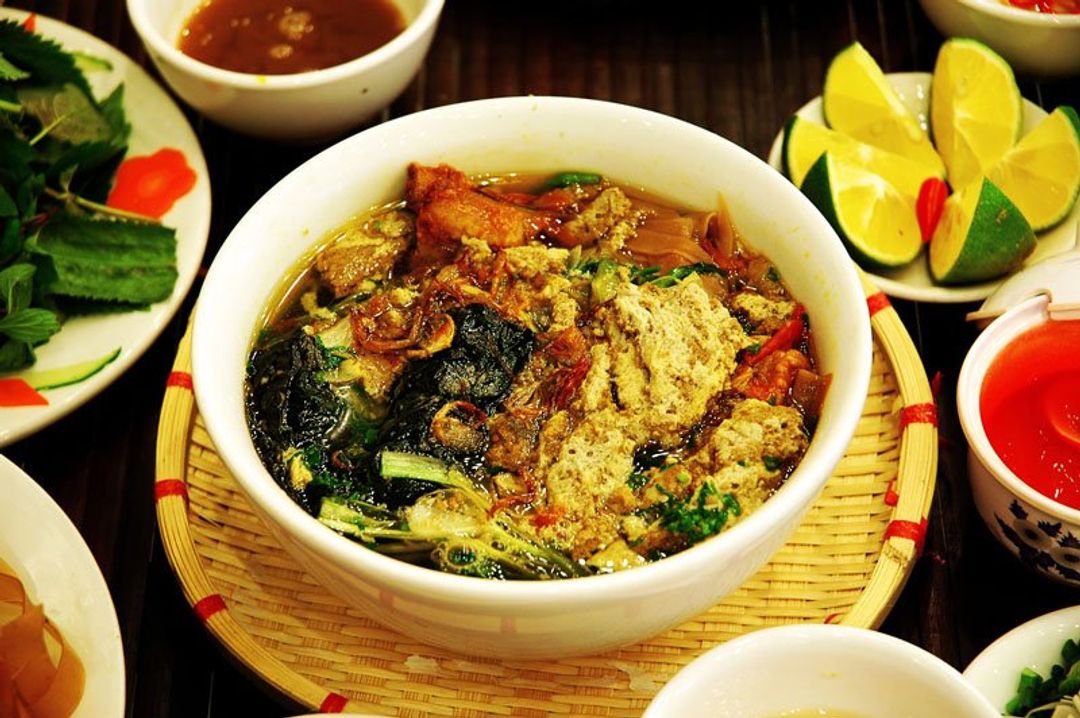
Bandakueo Bakkwa (Kkeoudot)
반다꾸어 바꾸 (꺼우덧)
A representative old restaurant serving Hai Phong's famous crab meat flat noodles. You must go in the morning, and they close immediately once they sell out.
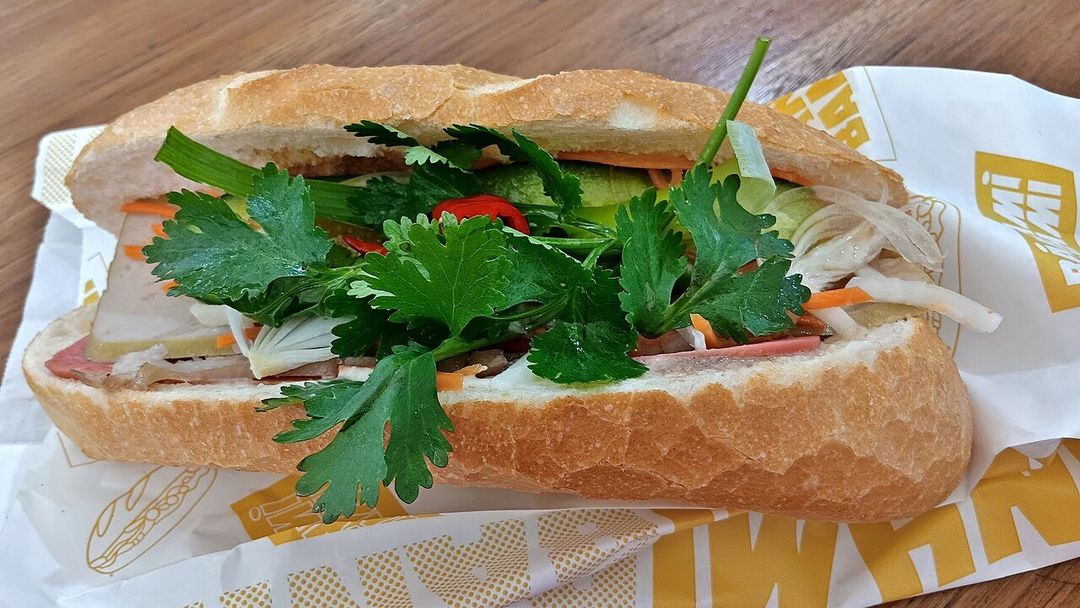
Banh Mi Kai Bazaar (Le Loi)
반미까이 바자 (레러이)
The original version of Hai Phong's famous spicy mini banh mi. You dip a finger-sized baguette in chili sauce.
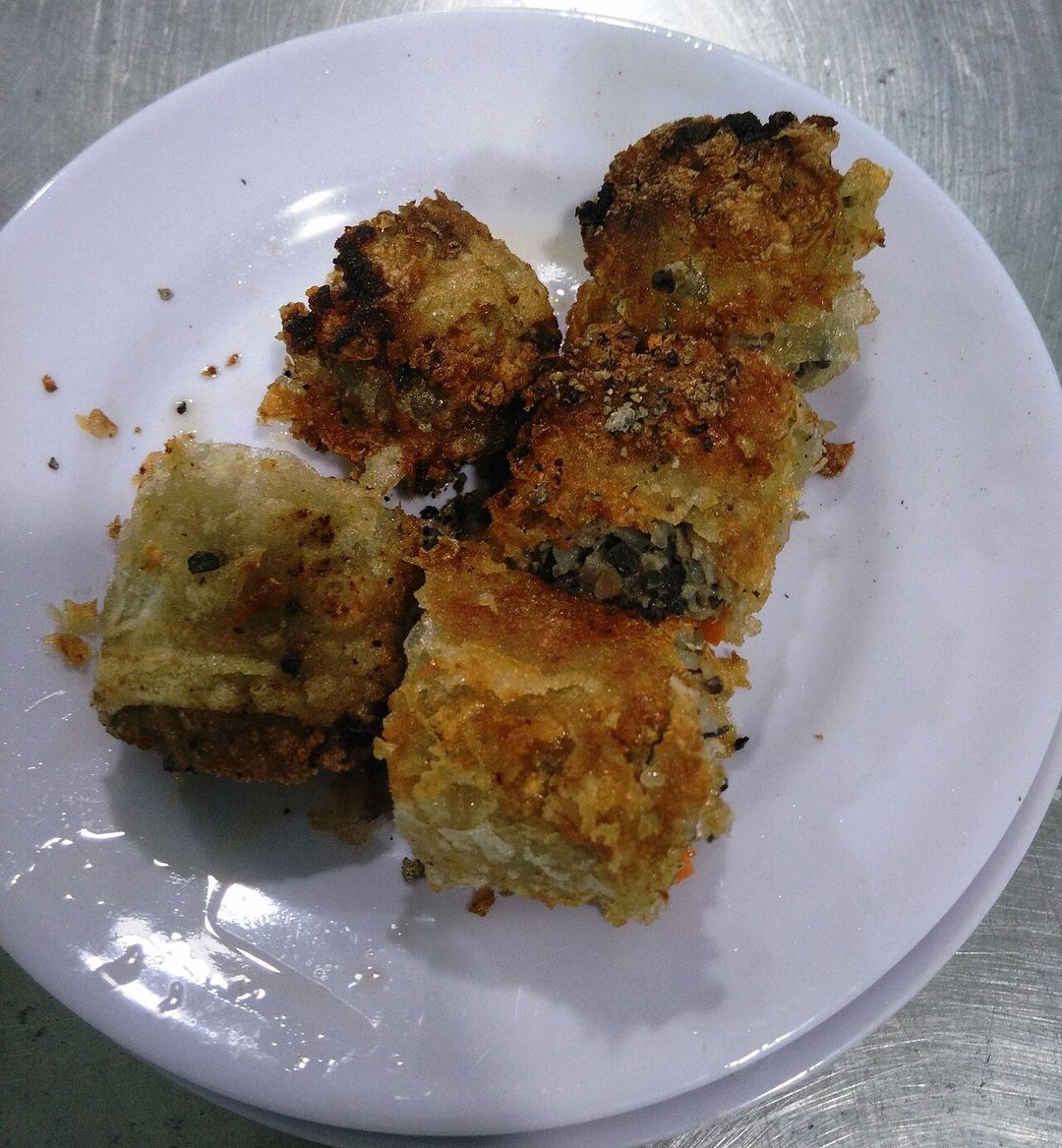
Con Market (Jjeokon)
꼰 시장 (쩌꼰)
Local traditional market food alley. Famous for its Nem Cua Be (square fried crab meat dumplings).
Ga Market (Jjeoga) Food Alley
가 시장 (쩌가) 먹자골목
The mecca of Hai Phong-style street food, such as stir-fried shellfish. Lively in the evening.
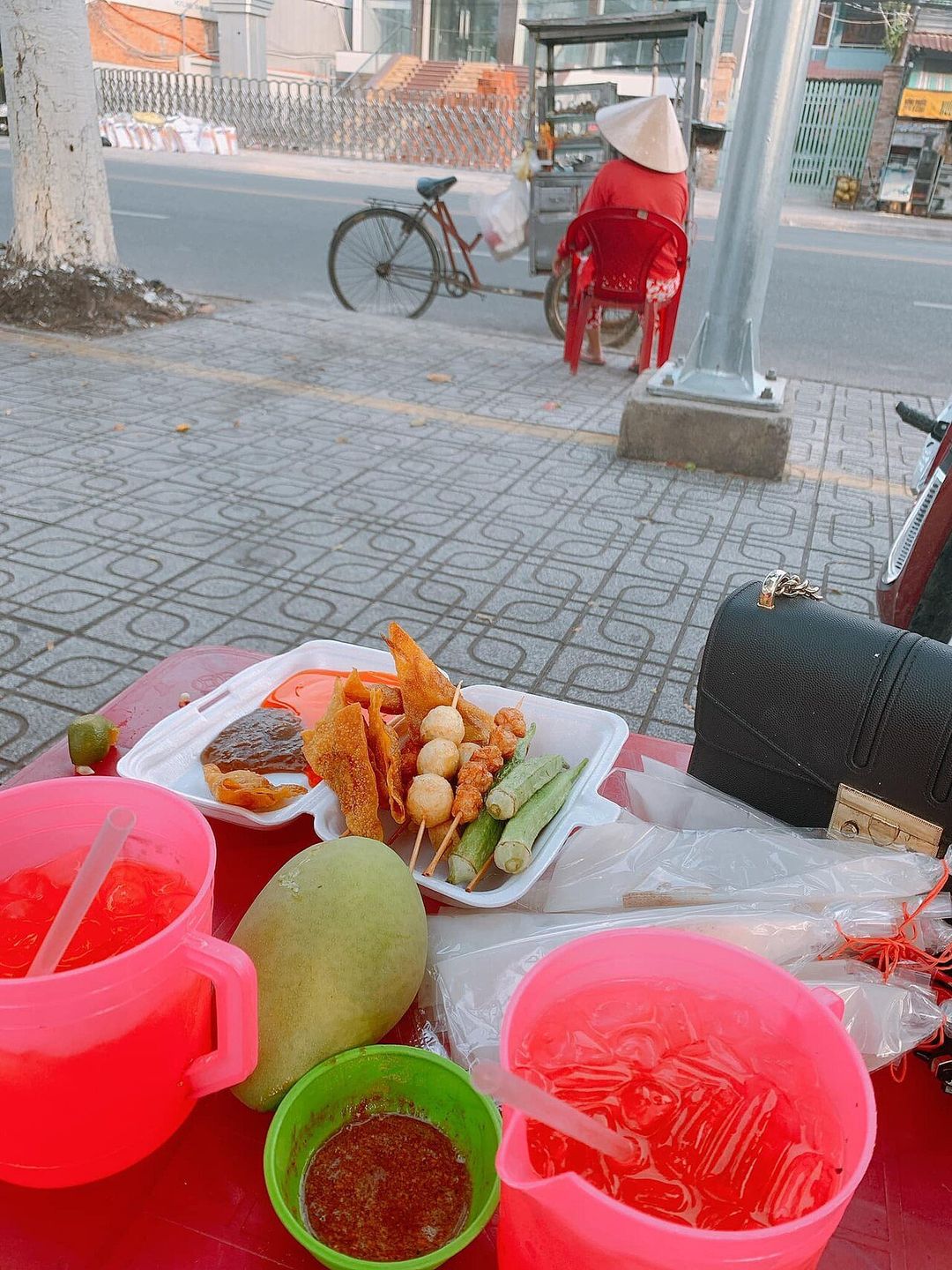
Rak Chai Food Street
락짜이 먹자거리
Food street adjacent to the university area. Rows of Bun Ka Kai (spicy fish cake noodle soup) and dessert shops.