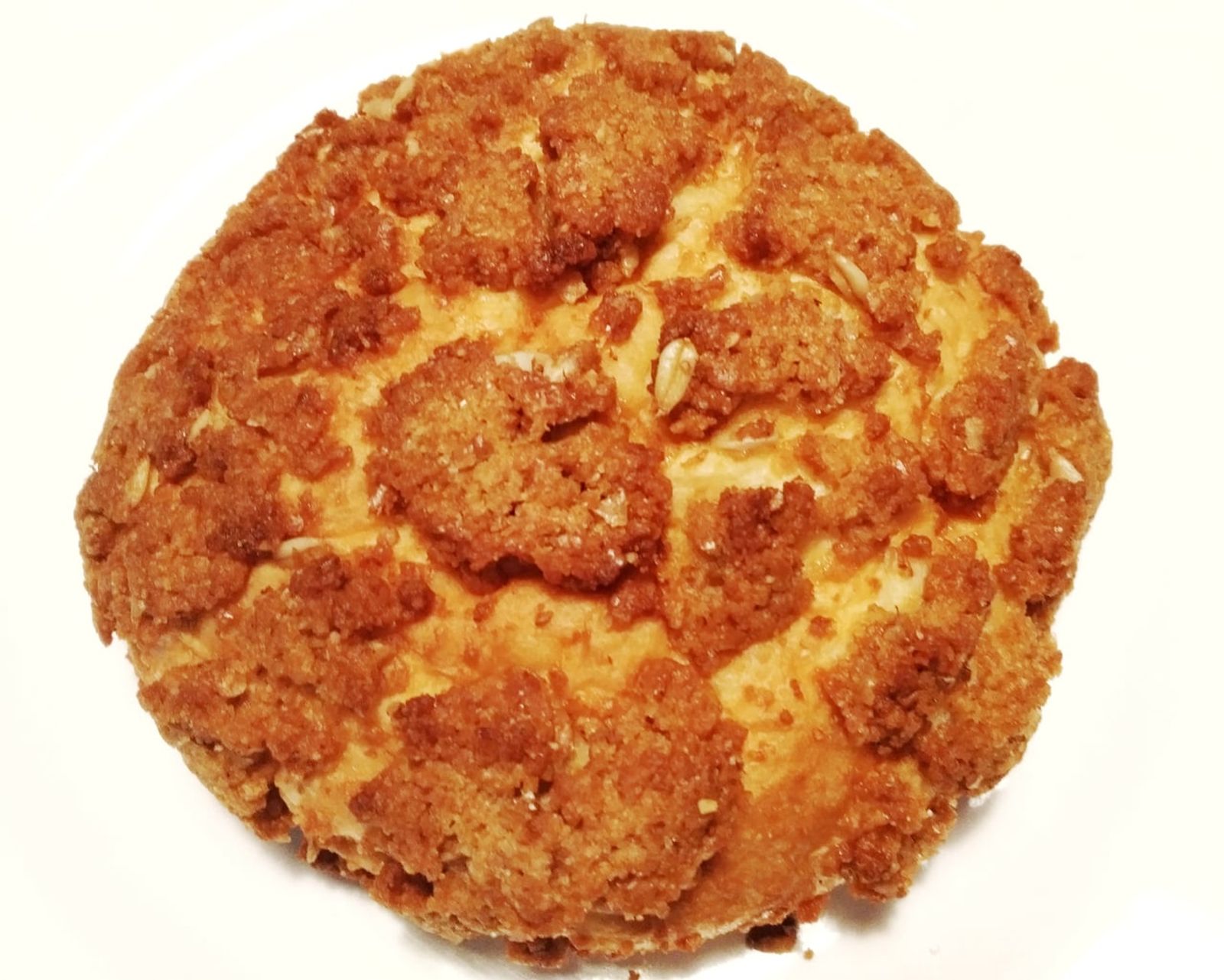
Soboro bread · Photo: Ptko / CC BY-SA 4.0 (Wikimedia Commons)
 KoreaDaejeon
Daejeon, City of Bread: From Aid-Flour Steamed Buns Outside the Station to Bakery Pilgrimages
These days many travellers come to Daejeon for one thing: bread. Here is how Daejeon became a bread city, the story that began with steamed buns outside Daejeon Station in 1956, the old-downtown bakery map and bread festival, and tips for a bakery pilgrimage.
Bread, Named an Official "Taste of Daejeon"
In April 2026, bread came first among the three new "Tastes of Daejeon" chosen by the city. It was selected along with kalguksu and dubu duruchigi through a residents' survey and expert recommendations, and the fact that bread rather than a traditional local dish was chosen shows how firmly "Daejeon means bread" has taken hold. Many analysts credit one famous bakery in the old downtown with earning Daejeon nicknames like "City of Bread". Its popularity drew more and more people to Daejeon to buy bread, and naturally neighbourhood bakeries large and small around the old downtown began to get attention too. In Korea, a trip spent going from bakery to bakery like a pilgrim is called ppangji sullye, a "bread pilgrimage".
1956: Aid-Flour Steamed Buns Outside Daejeon Station
Like kalguksu, Daejeon's bread culture starts with railways and flour. After the Korean War, relief flour arrived in large quantities through Daejeon Station, where the Gyeongbu and Honam lines split, and thanks to rail lines running in every direction, Daejeon became a hub for distributing flour across the country. The city has said it regards a bakery that began selling steamed buns made with relief flour from a stall outside Daejeon Station in 1956 as the beginning of Daejeon's bread culture. The story is often told of a war refugee starting the business with two sacks of relief flour, though accounts of how the flour was obtained differ slightly between sources. In the poverty right after the war, a steaming pot of buns outside the station became the starting point of today's City of Bread.
The Old Downtown Bakery Map
As bread-seeking visitors increased, Daejeon's Dong-gu district published a bakery map in 2024 introducing 58 neighbourhood bakeries in the old downtown around Daejeon Station. It covers everything from bakeries that have served the neighbourhood for decades to newly opened shops run by young bakers, with an illustration of each bakery's signature bread. You can pick it up at places like the Daejeon Station tourist information centre or download it from the district's website. Each Daejeon bakery has its own signature, which makes choosing half the fun. You will find long-loved classics such as soboro bread with its crumbly topping, breads packed with cream or vegetables, and cakes topped with seasonal fruit. The old downtown, where the bakeries cluster, is walkable from Daejeon Station, so in half a day you can compare several.
The Daejeon Bread Festival Every Autumn
Every autumn Daejeon holds a bread-themed festival. The 2026 Daejeon Bread Festival took place on 17 and 18 October at Expo Science Park, with 120 neighbourhood bakeries selling their signature items at a discount of at least 5 percent, plus baking classes and performances. Until last year it was held in the old downtown of Soje-dong in Dong-gu, behind Daejeon Station, and this year it moved. This year's festival is over, but since it is held around autumn each year, checking the next year's dates lets you taste many Daejeon bakeries in one place. Visitors often report that popular breads sell out soon after opening, so arrive early if there is something you really want. Dates and venues are announced by the city and the festival's official account.
Tips for a Bakery Pilgrimage
A Daejeon bakery pilgrimage is easiest to start at Daejeon Station. Pick up the bakery map at the station's tourist information centre, walk the old downtown from bakery to bakery, and stop for kalguksu at lunch to taste the whole of Daejeon's flour-food culture in a day. Lines at popular bakeries get long on weekends and in the morning, so visit your must-see spots first on a weekday or early in the day. If you plan to visit several places, buy one or two signature items at each rather than a lot at one shop. Cream-filled breads spoil easily, so do not carry them around for long, and if you are taking the train home, a cooler bag helps. Many people eat their bread straight away in a nearby park or cafe, and leftovers can be warmed up at your hotel or at home to enjoy the next day.