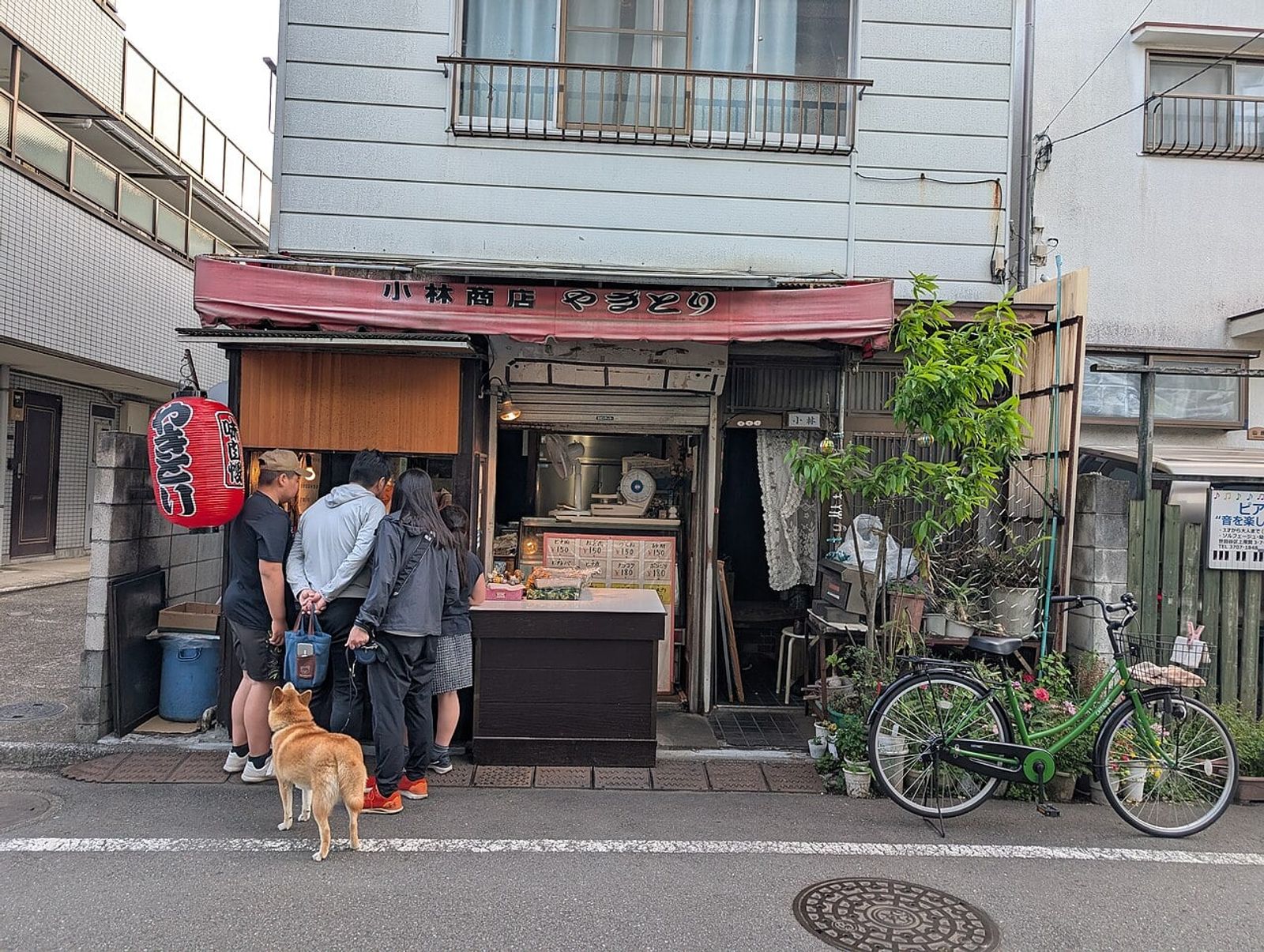
Izakaya with a red lantern
The Complete Izakaya Guide: From Otoshi to Nomihodai and How to Choose Sake
The izakaya with its red lantern (akachochin) is the Japanese office worker's second home. Here are its history, what to do the moment you sit down, 20 essential menu items, how to read a sake label, and what to budget.
What an Izakaya Is: Bar and Restaurant in One
Izakaya means 'a house (ya) where you stay (i) and drink sake (saka)': a Japanese-style pub serving alcohol with a wide range of dishes. Unlike a Western bar or pub, the food menu runs to dozens of items and the cooking is serious, so it is closer to 'a restaurant that also serves drinks'. After-work rounds with colleagues, gatherings with friends, a solo dinner-with-a-drink at the counter — the izakaya is woven deep into daily Japanese life. It originated in Edo-period sake shops (sakaya) that let customers drink what they bought on the premises. Standing drinkers came to sit (i), snacks were added, and the modern form emerged. The red lantern 'akachochin' and the fabric 'noren' curtain at the entrance signal that a shop is open — if the noren is hanging, walk in. Formats range from big chains (Torikizoku, Watami, Shirokiya) to neighborhood independents, standing bars (tachinomi) and yakitori skewer specialists.
First Things First: Otoshi and 'Toriaezu Nama'
Once seated, a wet towel (oshibori) arrives with a small appetizer. This is the 'otoshi', a seating charge of 300 to 500 yen per person served whether you order it or not. First-time visitors sometimes protest that they did not order it, but it is customary in Japan and best simply accepted. Some chains have dropped it, and those that keep it increasingly list the charge on the menu. When staff ask 'onomimono wa?' (and to drink?), settle drinks first. 'Toriaezu nama' (a draft beer for now) is the ritual opening order of any Japanese night out; draft beer is 'nama biru', a medium mug is 'chu' and a small one 'sho'. If you do not drink alcohol, oolong tea, ginger ale or non-alcoholic beer is fine. The toast is 'kanpai!', and it is polite to wait until everyone's first drink has arrived before drinking together. Once drinks are in, order three or four dishes to start and add more as you go.
Twenty Essential Menu Items
Izakaya menus are usually divided into sashimi, grilled, fried, simmered, salads, rice and noodles, and dessert. Light starters include edamame (soybeans), hiyayakko (cold tofu), takowasa (octopus with wasabi), shio-kyabetsu (salted cabbage) and kyuri (cucumber). Order the sashimi platter (moriawase) by headcount, e.g. 'ninin-mae' for two. Grilled and fried dishes are the heart of it. For yakitori (chicken skewers), choose momo (thigh), negima (chicken and scallion), tsukune (meatball) or kawa (skin), with tare (sauce) or shio (salt). Karaage (fried chicken), agedashi tofu (fried tofu in broth), dashimaki tamago (rolled omelet), hokke (grilled atka mackerel), shishamo (smelt), gyoza and potato fries never disappoint. Finish with ochazuke (rice in green tea), yaki-onigiri (grilled rice ball), soba or udon; nikomi (simmered offal) and motsunabe (offal hot pot) are beloved by serious drinkers. Most plates cost 300 to 700 yen, ideal for sharing many.
Reading the Drinks Menu: Highball, Chuhai, Sake Labels
After beer, the most popular drinks are the highball (whisky and soda) and chuhai (shochu with soda — lemon sour, oolong-hai and so on). Both cost 400 to 600 yen and are only 5 to 7 percent alcohol. Nihonshu (sake) is graded 'junmai' (rice, koji and water only), 'ginjo' (rice polished to 60 percent or less, fragrant), 'daiginjo' (50 percent or less, top grade) and 'honjozo' (with added brewer's alcohol, crisp); spotting these words on the label tells you the rough style. 'Karakuchi' means dry, 'amakuchi' sweet. Sake is ordered by the 'ichigo' (one go, 180 ml) and served cold (reishu/hiya), at room temperature (joon) or warm (atsukan/nurukan). 'Mokkiri', where a glass is set in a wooden masu box and filled to overflowing, is a gesture of generosity — drink what spilled into the box too. For shochu, pick the base (barley, sweet potato, rice) and the serve: on the rocks, with water (mizuwari) or hot water (oyuwari). As in Korea, top up a companion's glass before it empties and do not pour your own.
Nomihodai, Budgets and Etiquette
'Nomihodai' is an all-you-can-drink plan for a set time (usually 90 minutes to 2 hours) at 1,500 to 2,500 yen per person; bundled with a food course as 'course + nomihodai' it runs 3,500 to 5,000 yen. It pays off for groups of four or more and company dinners, while two or three light drinkers do better ordering à la carte. Last orders come 30 minutes before the end, and you will be politely asked to leave when time is up. Popular izakaya often run two-hour seatings on Friday and Saturday nights. A typical izakaya budget is 3,000 to 5,000 yen per person for two or three drinks and four or five plates. Payment is usually at the counter, and since some places refuse to split ('betsu-betsu'), it is simplest for one person to pay and settle later. Basic etiquette: keep your voice down, do not photograph neighboring tables, do not slump drunk over the counter, and never pressure non-drinkers. Since a 2020 law most izakaya are non-smoking, but some small old shops still allow it, so check the sign at the door.