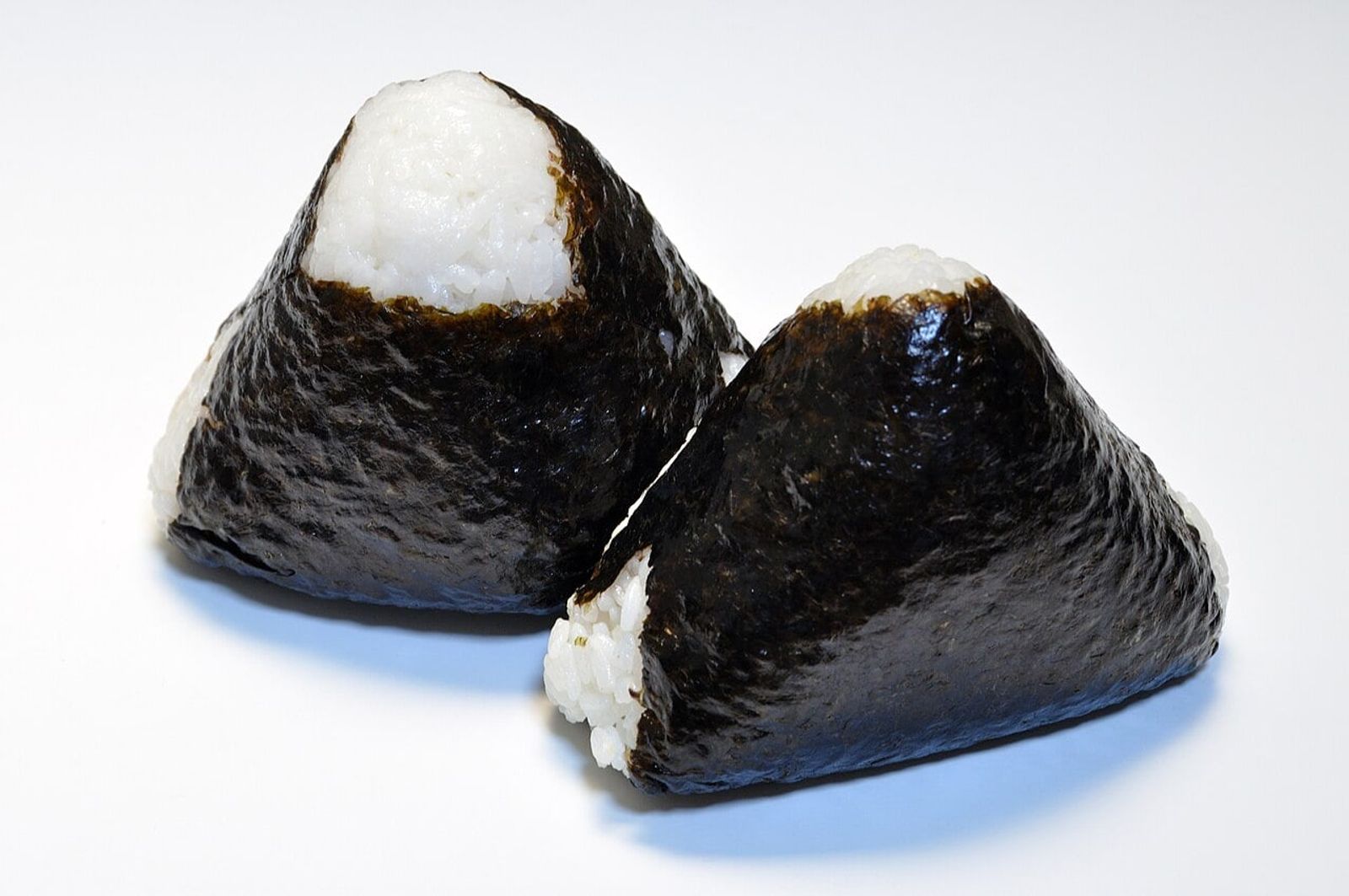
Onigiri
The World of Japanese Convenience-Store (Konbini) Food: From Opening an Onigiri to Why the Egg Sandwich Is Famous
Japan has 56,000 convenience stores, and 7-Eleven, FamilyMart and Lawson hold 90 percent. Learn why konbini food is so good, what to buy, and the small but important rules about heating, chopsticks and trash.
Konbini: Japan's Living Infrastructure
Convenience stores, called 'konbini' in Japanese, number about 56,000 nationwide, and 7-Eleven (about 21,000), FamilyMart (about 16,000) and Lawson (about 14,000) hold more than 90 percent of the market. Since the first 7-Eleven opened in Toyosu, Tokyo, in 1974, the American import has evolved into something entirely different in Japan. Beyond selling food around the clock, the Japanese konbini is living infrastructure: ATMs, parcel shipping and pickup, utility-bill payment, concert-ticket issuing, copying and faxing, even restrooms. For travelers, two things matter most — Seven Bank ATMs dispense yen on foreign cards, and most stores offer tax-free shopping (on purchases of 5,000 yen or more) and accept credit cards, IC cards and QR payments. In cities there is one every 100 meters or so, so if you get lost, just look for a konbini.
Why Konbini Food Is So Good
The quality of Japanese konbini food comes from logistics that deliver three times a day, each chain's dedicated factories, and relentless new-product competition. 7-Eleven built a system in the 1970s to make bento and onigiri in its own plants and deliver them daily; close to 100 new items appear every week and anything that does not sell is pulled at once. Store POS data feeds directly into the next day's orders, making konbini food effectively the most widely eaten 'national diet' in Japan. The other factor is private-label brands. Seven Premium, Famimaru and Lawson Select are developed by major food manufacturers exclusively for the chains and aim for specialty-shop quality across frozen foods, desserts and side dishes. 7-Eleven's egg sandwich, Lawson's Karaage-kun and Basque cheesecake, and FamilyMart's Famichiki fried chicken and spoonable pudding are signature items that social media has made famous abroad.
What to Buy: The Essentials List
Onigiri (rice balls) cost 120 to 200 yen; the standards are salmon (sake), tuna mayo (tsuna-mayo), pickled plum (ume), cod roe (mentaiko) and kelp (konbu), and beyond the triangle there are 'onigirazu' sandwiches and fried-rice onigiri. Popular sandwiches are egg (tamago), tonkatsu and fruit; bento such as karaage, hamburg steak and grilled salmon sets cost 500 to 700 yen. The hot case by the register sells single pieces of Karaage-kun, Famichiki, corn dogs and nikuman (steamed pork buns). In winter you can buy oden simmering by the register, broth included; in summer frozen fruit and ice cream abound. The dessert shelf's pudding, roll cakes, cream puffs and mochi ice cream (Yukimi Daifuku) are high quality at around 200 yen. Drinks default to unsweetened green tea, barley tea and brands like Ayataka, and the bean-to-cup coffee machines at 110 to 150 yen rival cafés. Canned beer, chuhai and highball run around 200 yen, and mornings bring salads, yogurt and boiled eggs in the 100-yen range.
Opening an Onigiri and Heating Food
Konbini onigiri wrappers are a three-layer design with a film between the rice and the seaweed so the nori stays crisp. The steps are numbered on the package: (1) pull the strip at the top center all the way down, (2) hold the right corner and slide it out sideways, (3) do the same on the left, and the nori will be wrapped around the rice in your hand. The nori can tear the first time, so go slowly. When you buy a bento or pasta, the clerk will ask 'atatamemasu ka?' (shall I heat it?). Answer 'hai, onegaishimasu' and it goes in the microwave. Onigiri are usually eaten unheated, but you can ask. Chopsticks (ohashi), spoons and wet wipes are free; say 'irimasen' if you do not need them. Plastic bags have cost 3 to 5 yen since 2020, so when asked 'fukuro wa irimasu ka?' (need a bag?), answer accordingly. Most stores have an 'eat-in' space inside or a bench outside.
Trash, Restrooms and Manners
Japanese streets have almost no trash cans, but convenience-store entrances do. By unspoken rule these are for waste from items bought at that store, so avoid dumping a bag of trash from elsewhere. Sorting is divided into 'burnable (moeru)', plastics, bottles/cans and PET bottles, and some stores ask you to separate PET labels and caps. Most konbini restrooms are open to customers, though some downtown stores post 'no restroom', so check first. It is good manners to buy something, however small, after using it. Eat inside only in the eat-in space, and as a rule do not drink alcohol there. Sitting outside a konbini eating in the small hours or talking loudly triggers complaints from residents, so refrain. The konbini is the traveler's nearest restaurant and safest rest stop — and it stays that way when you follow the neighborhood's rules.