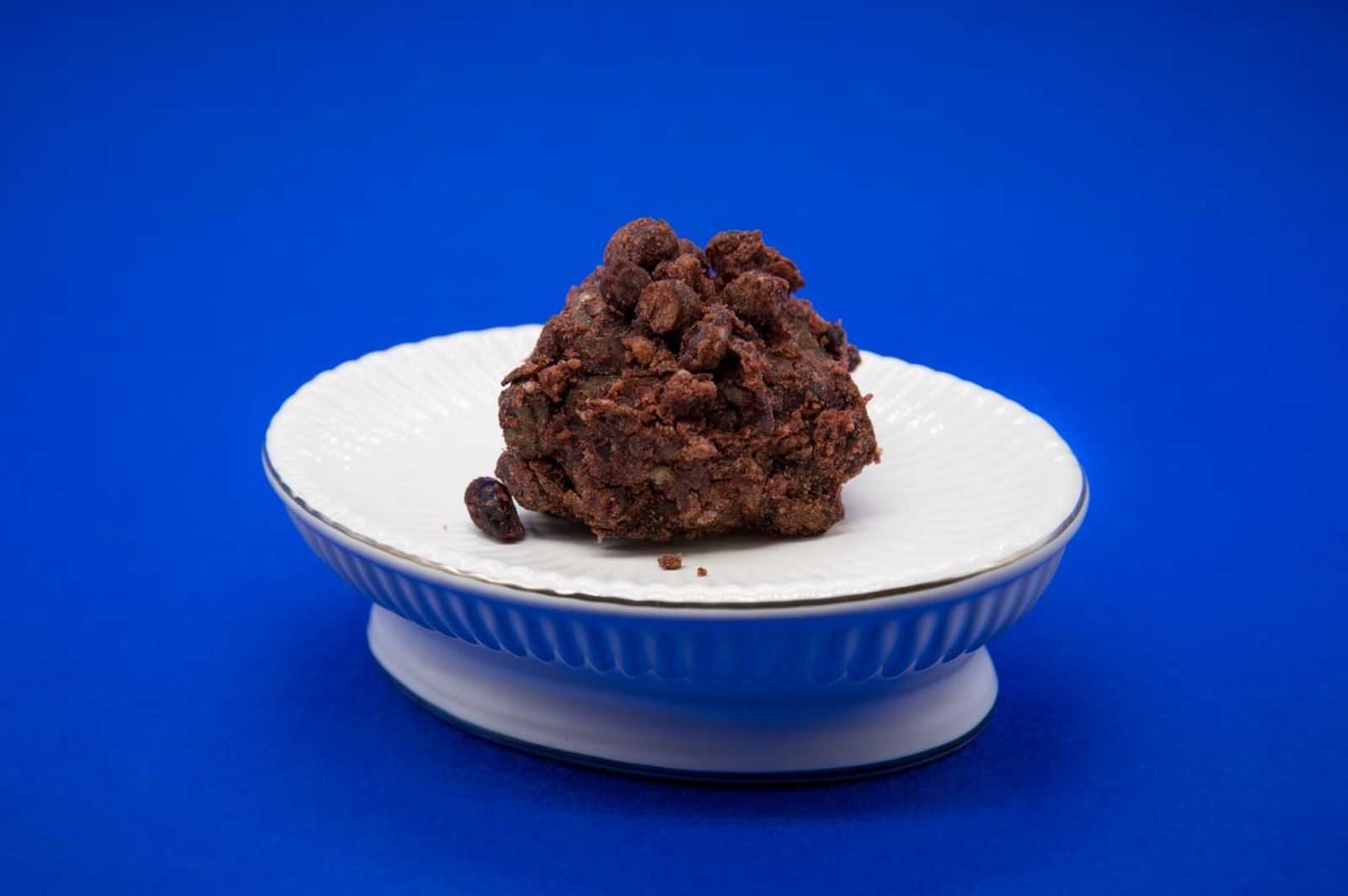
Omegi-tteok bought at Dongmun Market, Jeju · Photo: 3hrAgency / CC BY-SA 4.0 (Wikimedia Commons)
 KoreaJeju
Jeju's Omegi-tteok: The Millet Cake Once Made for Brewing, Now Jeju's Favourite Souvenir
Omegi-tteok is the rice cake you see everywhere in Jeju's markets and airport. Today it is a sweet mugwort cake filled with red bean paste, but it began as a millet cake made to brew omegi-sul. Here is what the name means, how it used to be made, the liquor behind it and how to choose one today.
It Started as a Brewing Cake
The 'omegi' in omegi-tteok has to do with liquor. According to the Maeil Shinmun, Jeju people call their cloudy rice wine omegi-sul, a name that comes from omegi, the cake used to brew it. In other words, omegi-tteok was originally made not as a snack but for brewing. Millet cakes used as they were for brewing were called omegi-sul-tteok, while those drained and coated in red bean or soybean powder to eat were called omegi-tteok. Coating part of the batch for eating is the prototype of today's cake. English Wikipedia adds that parents often rolled the cooked cakes in red bean so children would not burn their tongues.
Jeju, an Island of Millet
The main ingredient of both cake and liquor was glutinous millet (chajo). Jeju is a volcanic island where water drains away easily, so dry fields rather than rice paddies dominated and rice was precious. According to English Wikipedia, omegi-tteok was made from chajo, a millet once grown in large quantities on Jeju, which is why it is a millet cake. Rice cakes were also used differently from the mainland. The same source says that on Jeju, tteok was mainly an offering to spirits in rituals such as gut rather than a snack. The name omegi-tteok preserves the memory of island households steaming cakes and brewing liquor with millet instead of rice.
The 'Hole Cake'
Old-style omegi-tteok was pressed in the middle, earning it the name 'hole cake.' The Maeil Shinmun explains that the dent made the dough cook evenly. The method is simple. Soak the millet and grind it to flour, knead it with boiling water, pinch off small pieces and press a dent in each. Boil them, lift them out when they float and let them cool. Roll them in red bean powder with a little sugar and you have omegi-tteok: the coarse chewiness of millet with mild red bean, quite unlike the souvenir cakes of today. At places such as Seongeup Folk Village in Seogwipo you can see traditional omegi cakes made for brewing.
Omegi-sul, Jeju's Heritage Liquor
Omegi-sul, the cake's other half, is one of Jeju's best-known traditional drinks. The version handed down in Seongeup Folk Village, Seogwipo, was designated Jeju Intangible Cultural Property No. 3 in May 1990, and the artisan who brews it was also named a Korean Master of Food in 2015. According to the Maeil Shinmun, a batch started in early winter could be kept going and drunk through the following spring. Millet cakes mixed with nuruk starter ferment into the cloudy liquor that is omegi-sul. If you buy omegi-tteok in Jeju, try omegi-sul too and you will see how the two were originally one. Seongeup Folk Village is a good place to see omegi-sul alongside old Jeju thatched houses and everyday culture such as the dottong pigsty.
Today's Omegi-tteok and How to Choose
The omegi-tteok you see in Jeju today is very different. Glutinous rice flour is mixed with mugwort into a chewy green dough, filled with sweet red bean paste and coated in red bean crumbs or nuts. According to English Wikipedia, it took off as a tourist souvenir in the early 2010s and is now one of the best-selling souvenirs on Jeju. With little millet still grown, many commercial versions contain none; rice, mugwort and sugar make them chewier, sweeter and easier to store and ship. If you want something closer to the old taste, check the ingredients for chajo. Rice cake shops in traditional markets such as Dongmun Market in Jeju City sell it easily. Storage advice and shelf life vary by shop, so check before you buy.