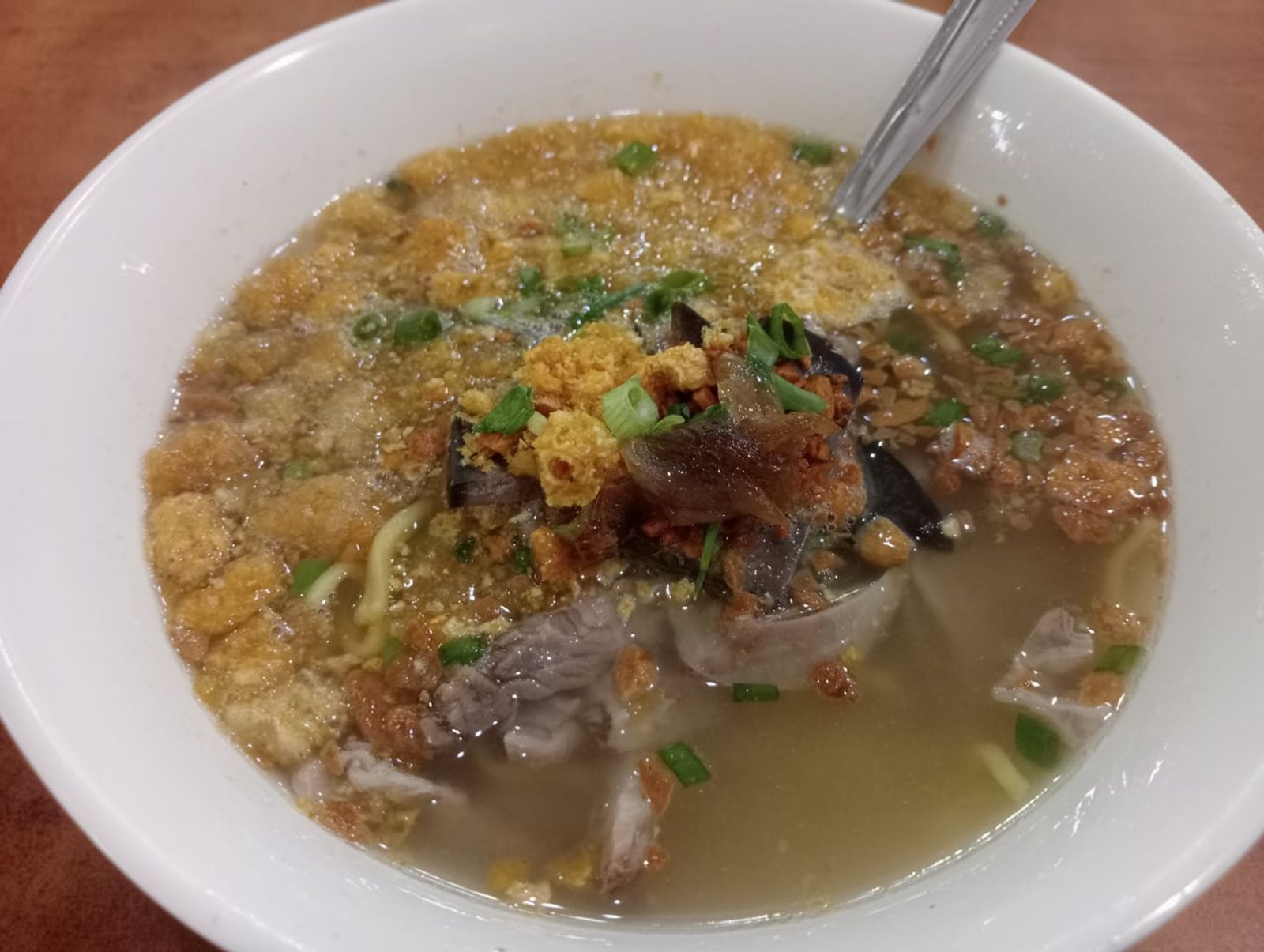
Batchoy at La Paz Public Market · Photo: Ralff Nestor Nacor / CC BY-SA 4.0 (Wikimedia Commons)
 PhilippinesIloilo
La Paz Batchoy: The Market Noodle Soup That Defines Iloilo
Egg noodles in a shrimp and pork broth, piled with pork offal, beef and crunchy crushed pork cracklings: this is La Paz batchoy. Here is the story of the soup born in the public market of Iloilo City's La Paz district, the rival origin claims, and how to eat it.
The Noodle Soup of a 'City of Gastronomy'
Iloilo City is the hub of Western Visayas, on the southeast coast of Panay Island. It is so well known for food that on 31 October 2023 it became the first Philippine city named to the UNESCO Creative Cities Network for gastronomy, and the dish always mentioned first is La Paz batchoy. Batchoy is found all over the country, but the original version from La Paz, a district of Iloilo City, is the most famous. Manila and other parts of Luzon have a pork offal soup also called batchoy Tagalog, but it is a separate dish that is not built around noodles, which is why the Iloilo style always carries its place name: La Paz batchoy.
Who Made It First? The Competing Origin Stories
There is no settled account of La Paz batchoy's origin. Several long-running shops in and around the La Paz Public Market each claim to be first. Depending on the source, the first shop opened in the early 1920s; or a vendor first combined broth, noodles, beef and pork in 1938 (as reported by SunStar); or a stall that began selling bowls for 20 centavos inside the market in 1945 made it popular. What is clear is the dish's close ties to La Paz's Chinese community. One explanation traces the name to Hokkien words meaning 'minced meat' or 'meat water', while the 1938 story says it was jokingly called 'bats' at first, with 'choy' later added from chop suey.
What's in the Bowl: Offal, Beef, Shrimp Broth and Chicharon
La Paz batchoy is built on miki, round egg noodles. On top go pork offal such as liver, spleen, kidney and heart, plus thin slices of beef, and then shrimp broth is poured over (some sources describe a chicken-stock base). Finally it is showered with crushed pork cracklings (chicharon) and chopped leeks, and some shops crack in a raw egg. The broth is the heart of it. The savouriness of the shrimp broth combines with the depth of the offal and meat for a salty, nutty taste, and the chicharon melts into the soup, adding a rich, porky note. Watching the cracklings go from crunchy to soft as they soak up the broth is part of the pleasure.
How to Eat It: Stir, Season, Finish the Broth
When the bowl arrives, stir the chicharon, leeks and egg on top down into the noodles. The egg half-cooks in the hot broth and makes it silkier. Tables often have soy sauce or fish sauce, chilli and minced garlic, so taste first and then season to your liking. If you want to keep the cracklings crunchy, do not mix everything at once; dip them into the broth a little at a time. The real flavour of batchoy is in the soup, so do try drinking what is left after the noodles are gone. Locally it is a meal or snack eaten at any hour, from breakfast to late at night.
Traveller Tips: La Paz Market and January's Batchoy Festival
For the original atmosphere, head to the area around the La Paz Public Market, north of downtown Iloilo City. Long-running batchoy eateries cluster in and around the market, and some operated from a temporary site while the market building was being redeveloped, so check the location before you go. You can also find batchoy easily all over the city and in its malls. Since 2020 a Batchoy Festival has been held as part of the Dinagyang Festival, Iloilo City's biggest celebration in January, with shops competing for the best bowl. The city is very crowded then, so book accommodation early. Comparing batchoy with the city's other famous soup, pancit Molo, on the same day is a very Ilonggo way to travel.