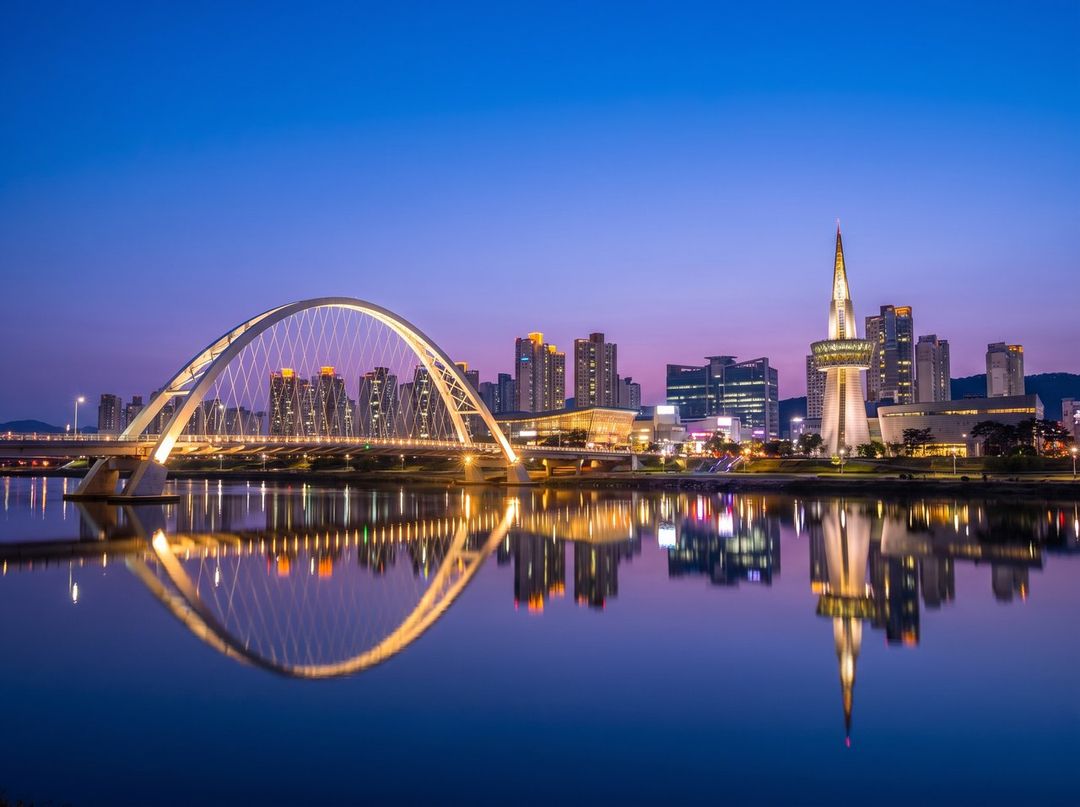
Jungang Market and across downtown
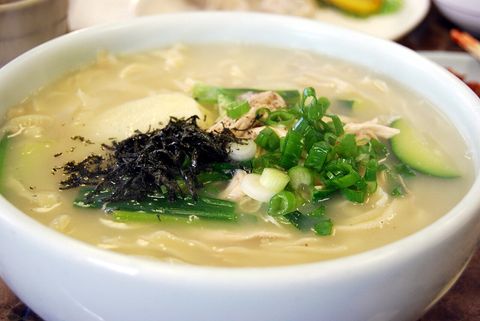
Kalguksu (knife-cut noodles)
Broths split into camps — beef bone, anchovy, or a fiery chilli version. Each shop picks one and sticks with it.
Written by hand, not generated. Dishes, markets, timing and prices for Daejeon.
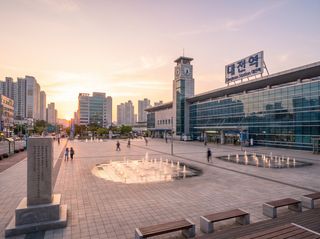
Daejeon grew where the rail lines crossed, and its food reflects that: dishes you eat quickly and move on. It has one of the highest densities of kalguksu noodle shops in the country, and unusually for a Korean city, its downtown revolves around bakeries.
Start with the local defaults
Broths split into camps — beef bone, anchovy, or a fiery chilli version. Each shop picks one and sticks with it.
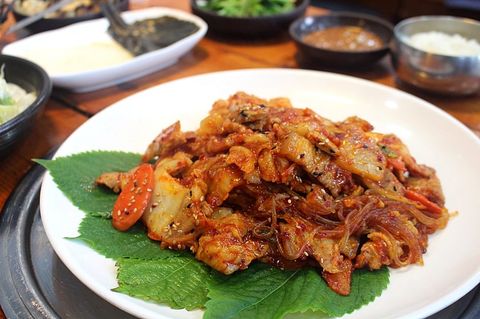
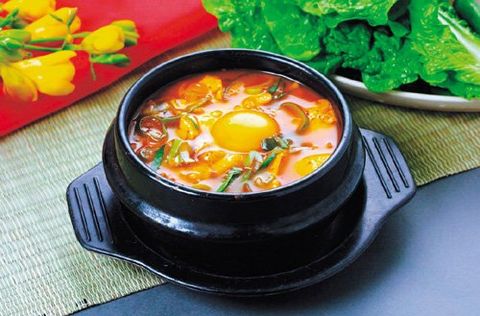
Tofu stir-fried in a hot chilli sauce; noodles go into whatever sauce is left at the end.
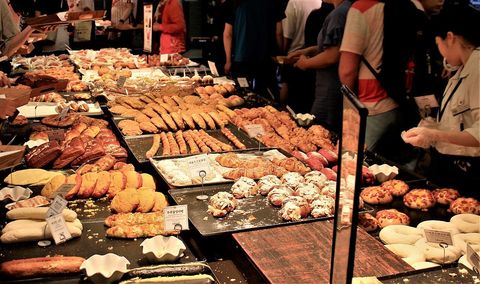
A crumb-topped bun deep-fried and filled with red bean paste — the emblem of the city bakery scene.
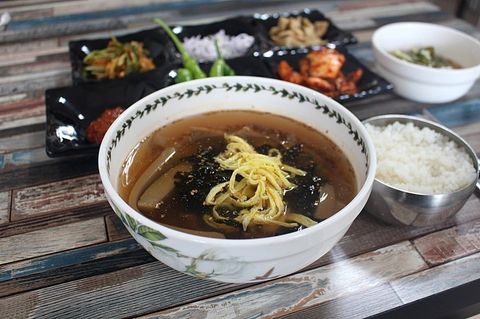
Acorn jelly sliced into strips and served in broth, chilled in summer.
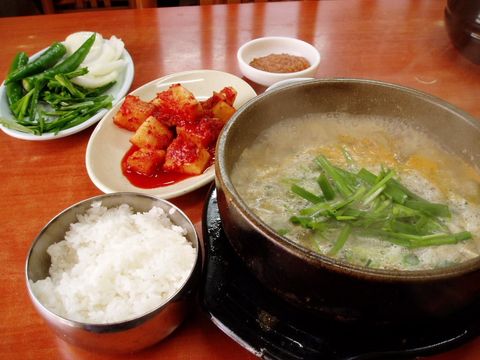
Blood sausage soup with rice, from the older shops around the central market.
Markets, streets and harbours
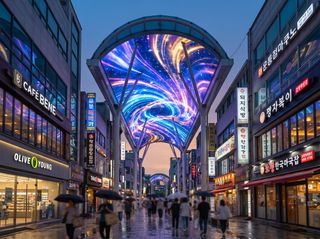
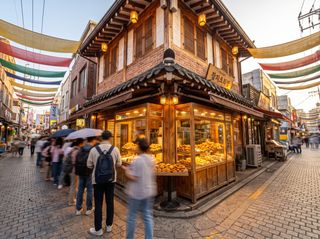
The oldest downtown quarter, dense with noodle shops, snack stalls and long-running restaurants.
Restaurants nearby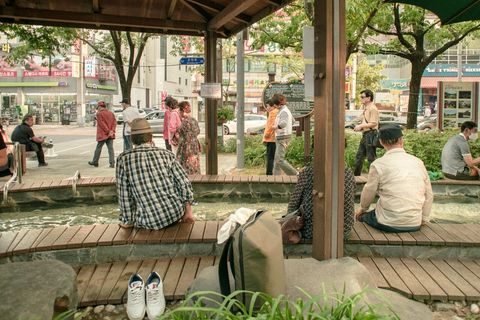
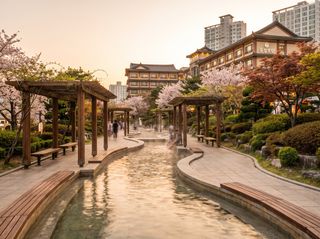
Behind the Yuseong hot springs, Bongmyeong-dong is the densest nightlife and dining district in Daejeon, with barbecue houses, bars and cafes open late.
Restaurants nearbyA university quarter — cheaper, and open late.
Restaurants nearby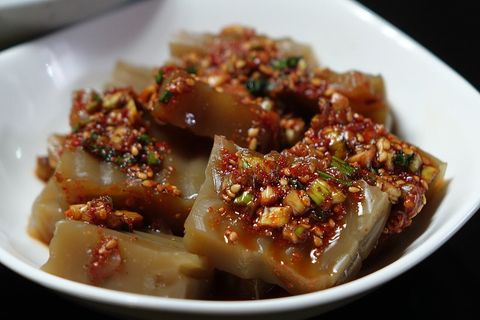
A neighbourhood of restaurants built around acorn jelly dishes.
Restaurants nearby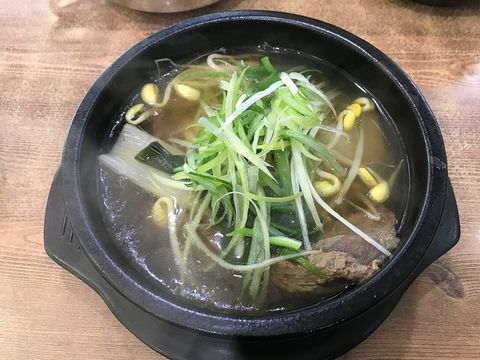
Inside the traditional market in Taepyeong-dong, ox-head and blood-sausage soup houses cluster together. An early-morning soup street that began with market workers.
Restaurants nearbyKnife-cut noodles run KRW 8,000-10,000, tofu duruchigi about KRW 20,000 for two, and soup with rice around KRW 9,000.
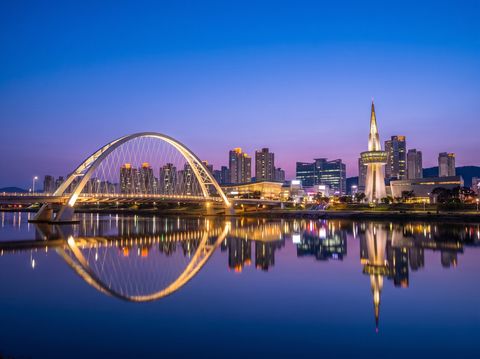
Daejeon
Real visits shared by TastyLog foodies