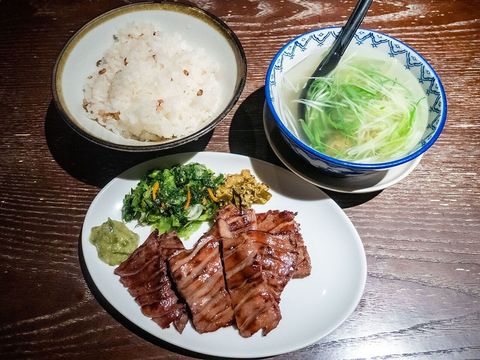
Gyutan (beef tongue)
Thick-cut tongue grilled over charcoal, served as a set with barley rice and oxtail soup.
Written by hand, not generated. Dishes, markets, timing and prices for Sendai.
The largest city in the Tohoku region, defined by grilled beef tongue and by zunda, a paste of mashed young soybeans. Oysters come in from nearby Matsushima Bay, and with rice country next door, set meals here are built around the rice.
Start with the local defaults
Thick-cut tongue grilled over charcoal, served as a set with barley rice and oxtail soup.
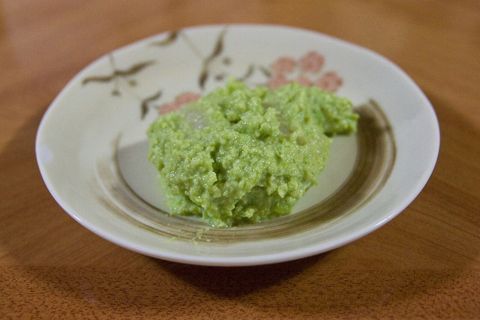
Boiled young soybeans mashed with sugar and spooned over rice cake. The colour is a vivid green.
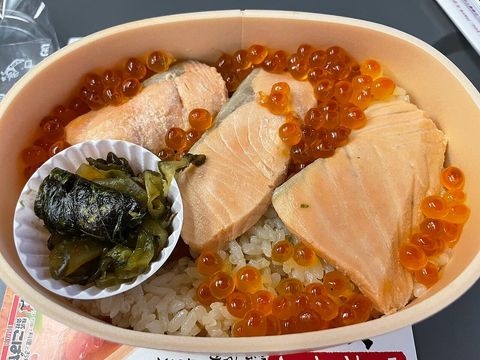
Rice cooked in salmon simmering liquid, topped with salmon and its roe. An autumn dish.
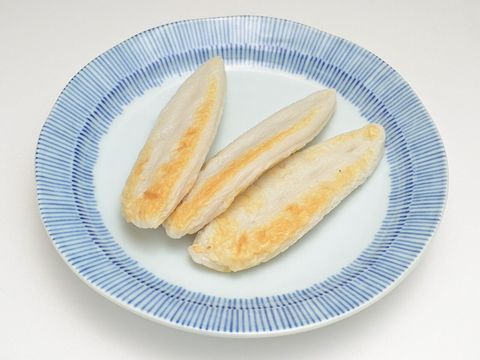
Ground fish paste grilled in the shape of a bamboo leaf, sometimes toasted and eaten on the spot.
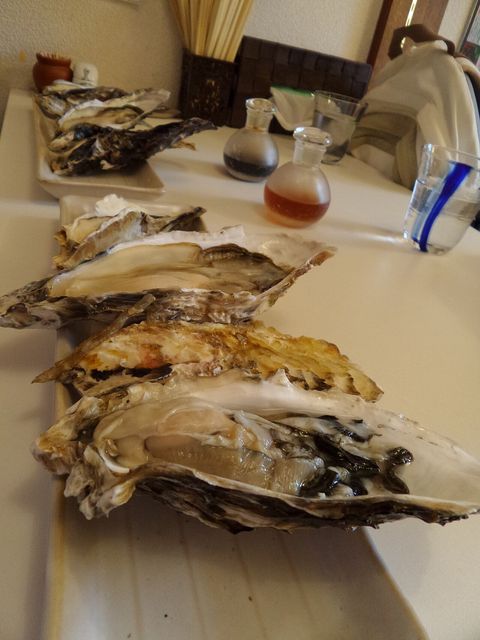
Farmed in Matsushima Bay, served grilled, fried or steamed in winter.
Markets, streets and harbours
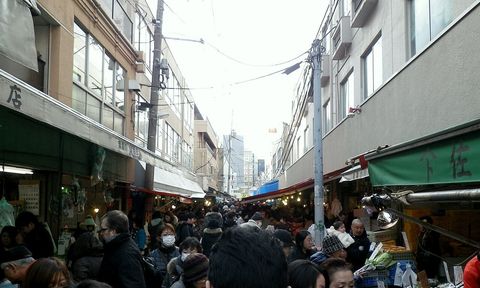
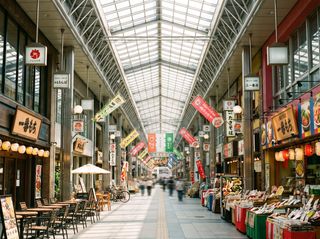
A downtown market selling prepared dishes and seafood.
Restaurants nearby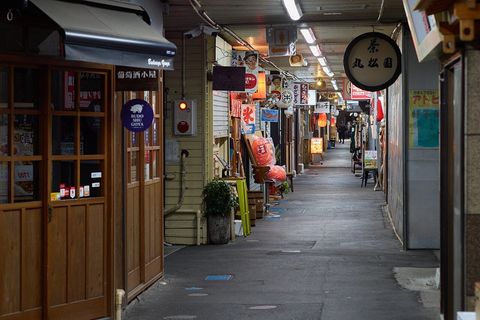
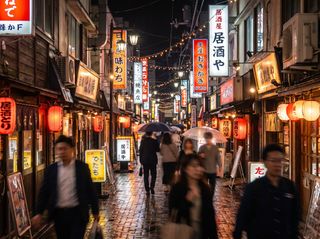
A narrow alley beside the Ichibancho arcade, about 120 m long, that began as a market of air-raid survivors' stalls in 1946 and keeps its postwar black-market character. Tiny izakaya, set-meal diners and oden counters pack both sides.
Restaurants nearby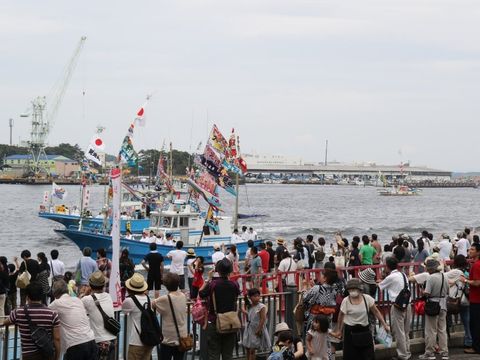
A port town 30 minutes from Sendai by train, among the top fresh-tuna landing ports in Japan and known for its density of sushi shops. At the wholesale market you build your own sashimi bowl from what you pick.
Restaurants nearbyA beef tongue set runs JPY 2,000-3,000, zunda mochi JPY 500-800, and harakomeshi JPY 1,500-2,500.
Sendai
Real visits shared by TastyLog foodies