Gangwon Makguksu & Dakgalbi Belt — From Chuncheon to Bongpyeong
This is a driving course traversing east to west, in the order of Chuncheon (Dakgalbi) → Bongpyeong (Buckwheat Noodles) → Gangneung/Sokcho (Sea). At the Dakgalbi in the Myeongdong alleys of Chuncheon, the standard method is stir-fried on a hot plate, so be sure to factor in the final fried rice when ordering. For Bongpyeong Makguksu, be sure to try the mixed style with perilla oil and seaweed flakes. The Dakgangjeong at Sokcho Tourist & Fisheries Market is delicious even when cold, making it perfect for takeout to take home.
Chuncheon Myeongdong Dakgalbi Alley
Chuncheon Myeong-dong Dakgalbi Alley
Bongpyeong Buckwheat Village
Bongpyeong Buckwheat Village
Gangneung Chodang Sundubu Village
Gangneung Chodang Sundubu Village
Sokcho Tourist and Fisheries Market
Sokcho Tourist Fish Market
Jumunjin Port Fish Market
Jumunjin Port Raw Fish Center
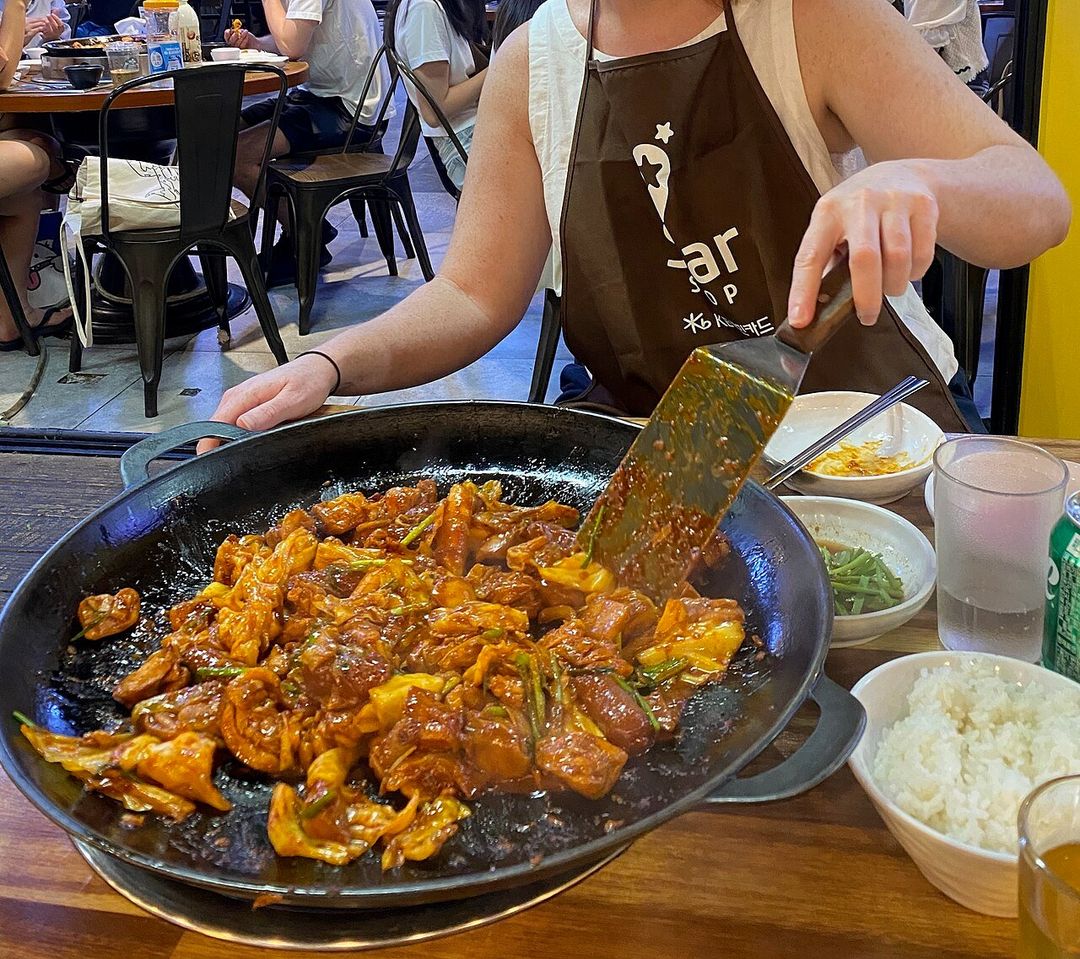
Chuncheon Myeongdong Dakgalbi Alley
Chuncheon Myeong-dong Dakgalbi Alley
The original alley where restaurants specializing in grilled chicken are gathered. Adding udon noodles and cheese is popular, and the fried rice to finish is a must-try.
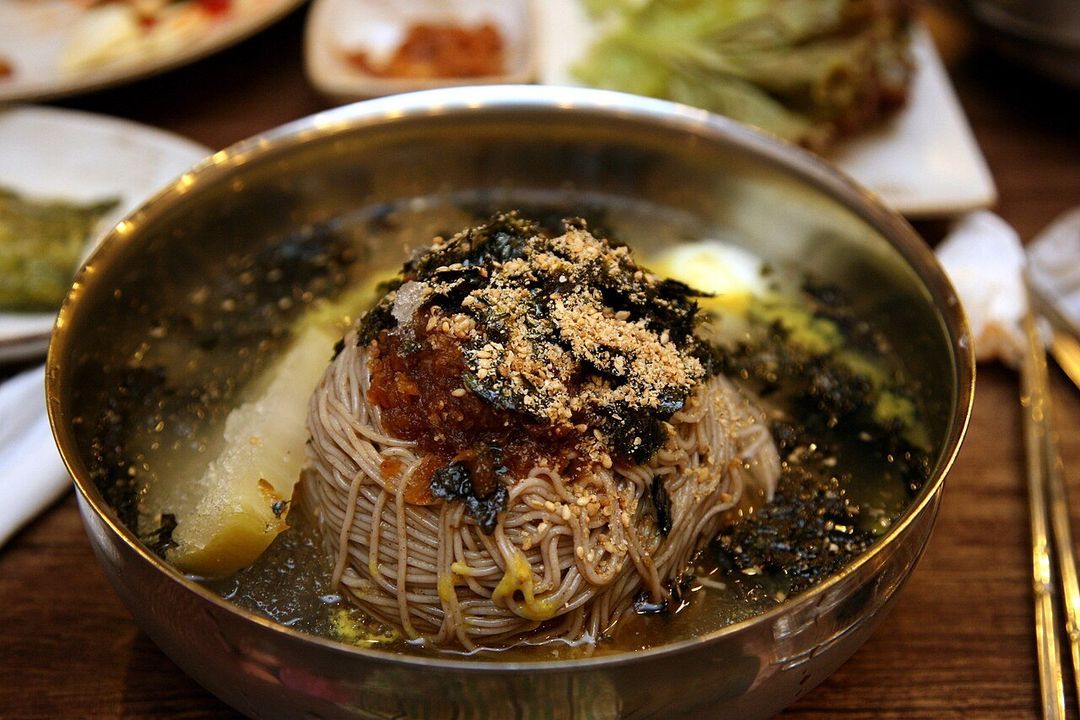
Bongpyeong Buckwheat Village
Bongpyeong Buckwheat Village
It is the setting of Lee Hyo-seok's *When Buckwheat Flowers Bloom* and the home of makguksu and buckwheat pancakes. There are long wait times during the buckwheat flower festival in September.
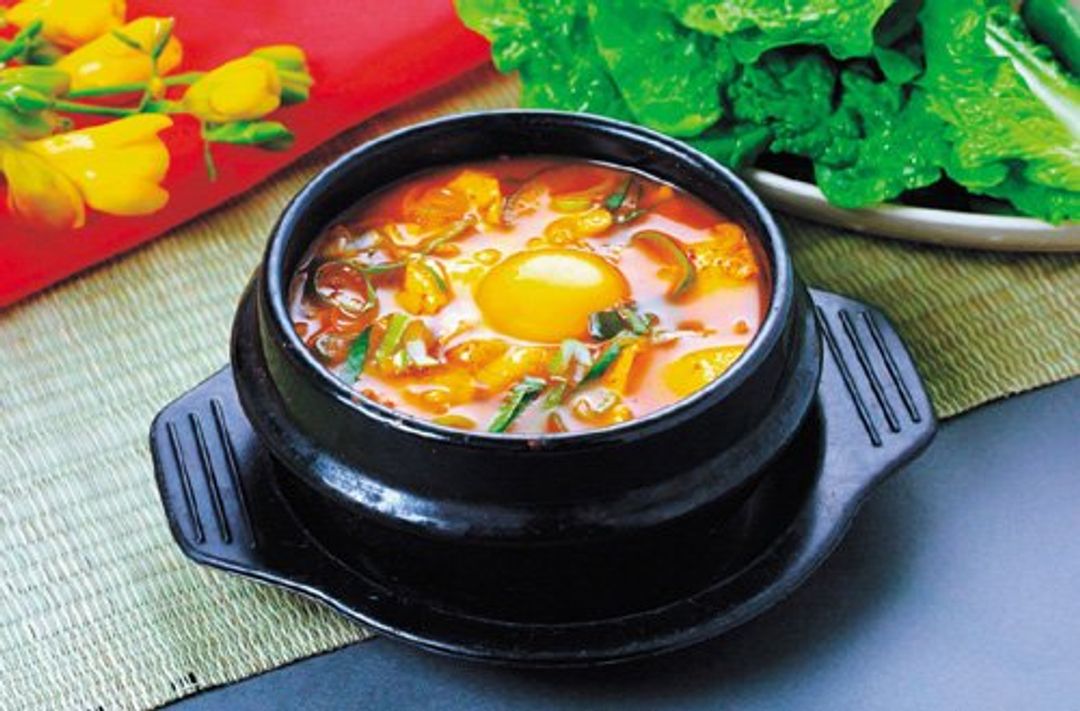
Gangneung Chodang Sundubu Village
Gangneung Chodang Sundubu Village
Chodang Tofu Village, where seawater is used to make the coagulant. The standard course includes a soft tofu gelato dessert, and many establishments open early in the morning.
Sokcho Tourist and Fisheries Market
Sokcho Tourist Fish Market
A market famous for Dakgangjeong and Abai Sundae. On weekends, the trick is to get a waiting number for Dakgangjeong first and then walk around the market.
Jumunjin Port Fish Market
Jumunjin Port Raw Fish Center
A representative live fish port on the East Coast. The fish is freshest right after the morning auction, and the method involves slicing the fish into sashimi and taking it up to the 2nd-floor restaurant for dipping sauce.