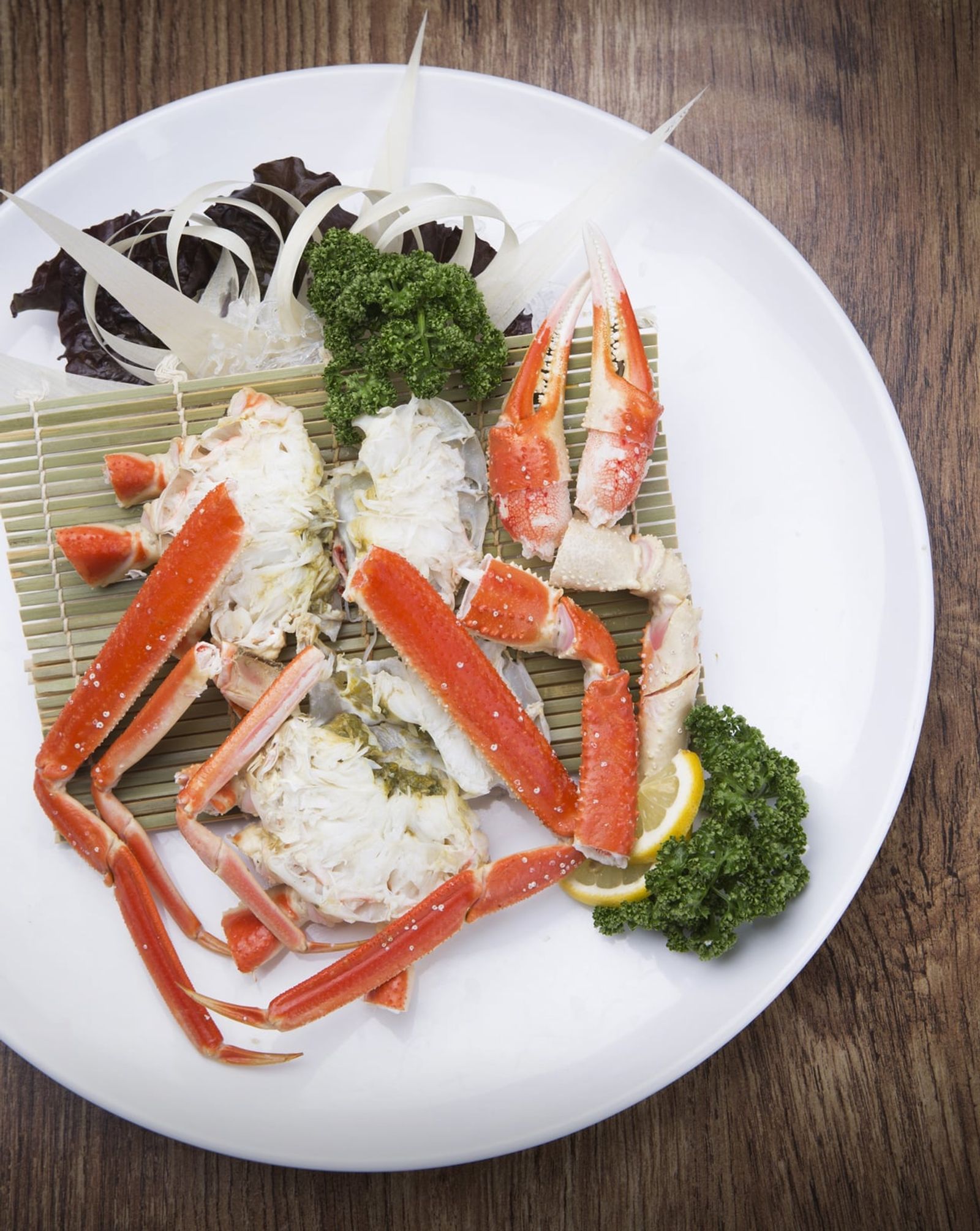
Steamed snow crab · Photo: leejungdong / CC0 (Wikimedia Commons)
 KoreaNorth Gyeongsang · Uljin
Uljin Snow Crab and Hupo's Red Snow Crab: Geoil Village and the Wangdolcho Reef
Yeongdeok may be the first name that comes to mind for East Sea snow crab, but Uljin, just to its north, also claims to be the original home. Here is the story of Geoil, a village whose old names refer to crabs, the Wangdolcho reef where the crabs live, the difference between snow crab and red snow crab at Hupo Port, and when and how to eat them.
Uljin's Claim Next Door to Yeongdeok
For a long time, the best-known name for East Sea snow crab has been Yeongdeok daege. Many accounts say that when transport was difficult, crabs caught all along the coast were gathered at Yeongdeok's Ganggu Port and shipped to the cities from there, which spread the Yeongdeok name. Uljin, just north of Yeongdeok, says the original snow crab fishery was actually its own. Uljin's argument rests on the sea itself. The most prized crabs come from around Wangdolcho, an underwater reef off the coast between Uljin and Yeongdeok, and Uljin is the town that borders it. Pohang also lands a lot of snow crab, so all three coastal towns have their own boasts. Opinions on who is the original differ, so here we follow the story as Uljin tells it.
Geoil, a Village Named for Crabs
Geoil-ri in Pyeonghae-eup is the village Uljin presents as the historic home of snow crab fishing. It was long known by names such as Haepo, Haejin and Gialge, and the hae in the first two is the Chinese character for crab. The waters in front of the village border Wangdolcho and are considered a key snow crab habitat. While the rivalry with Yeongdeok was at its height, Uljin County put up a monument on the roadside here explaining the origins of Uljin snow crab. Its inscription says Uljin crab appears in texts such as Dongguk Yeoji Seungnam and Daedong Jiji, and that it had become a local specialty by the early 14th century, in the Goryeo period. The annual Uljin crab festival also includes a pavilion introducing the history of Geoil village.
Bakdalge and Daege: The Names
It is easy to assume the dae in daege means big, but the Uljin monument says the crab got its name because its legs are straight like bamboo, which is dae in Korean. Locals also called the large, densely meaty crabs bakdalge, after the hard birch wood bakdal, and top-grade crabs packed with meat are still singled out as bakdal daege. Snow crab cannot be caught year-round. To protect spawning and molting there is a legal closed season, which according to the Ministry of Oceans and Fisheries in 2023 runs from June 1 to November 30, and female snow crabs may not be caught at any time of year. Freshly molted crabs have thin shells and less meat, so the time to enjoy well-filled snow crab is from winter into spring.
Red Snow Crab at Hupo Port
Hupo Port, at Uljin's southern edge on the border with Yeongdeok, is famous for red snow crab (honge) as well as snow crab. Red snow crab is a deeper-water cousin of snow crab and costs less, making it an easy way to enjoy crab. The simplest way to tell them apart is the underside: after steaming, snow crab has a white belly, while red snow crab is red even underneath. Auctions are held at the Hupo fish market every morning. According to press reports, snow crab goes under the hammer around 8 a.m. and red snow crab around 9:30. Arrive early and you can see tanks and floors packed with crabs. Each year from late winter to early spring, the Uljin Snow Crab and Red Snow Crab Festival takes place around Wangdolcho Square at Hupo Port; in 2026 it ran from February 27 to March 2.
Steamed, With Rice in the Shell, or Grilled
The most common dish at restaurants around Hupo Port is steamed snow crab. Usually you pick a crab from the tank, the price is set by weight, and it is steamed on the spot, so check the price per kilogram and whether there is a separate steaming fee before ordering. Eat the leg meat first, then finish the meal by mixing or stir-frying rice with the crab innards in the empty shell. In one newspaper's taste test, grilled snow crab was found to taste sweeter and chewier as moisture cooked off. Steamed crab is clean and aromatic, they concluded, while grilling brings out a lightly charred, savory edge. Red snow crab is also picked for bibimbap or marinated crab, so tasting both side by side and comparing them is part of the fun of a trip to Uljin.