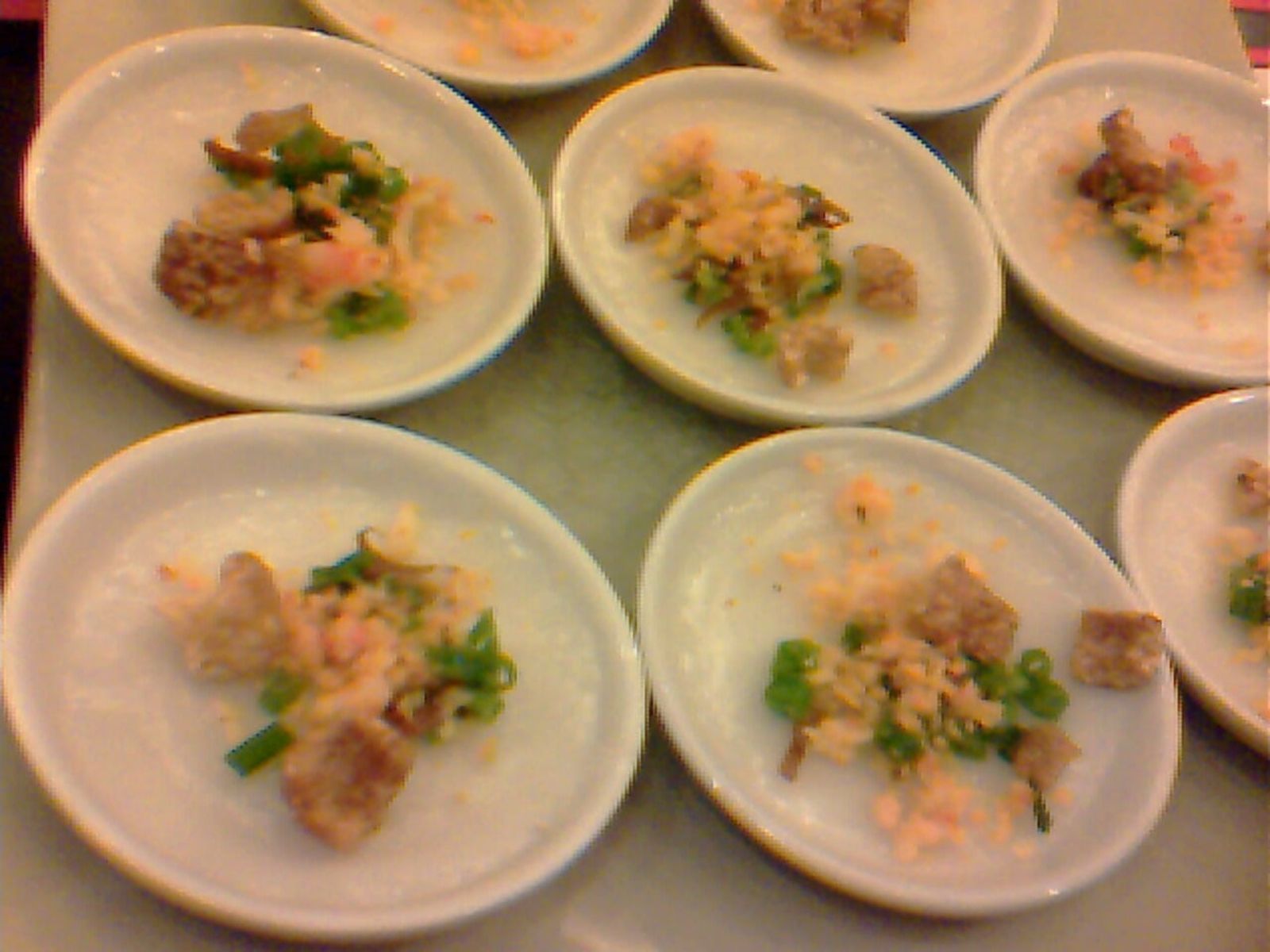
Bánh bèo steamed in small saucers · Photo: Nha Nghi La / CC BY 2.0 (Wikimedia Commons)
 VietnamHue
Huế's Cake Trio "Bèo, Nậm, Lọc": Saucer-Steamed Bánh Bèo, Leaf-Wrapped Bánh Nậm and Clear Bánh Bột Lọc
An afternoon snack in Huế often brings bánh bèo steamed in tiny saucers, flat bánh nậm wrapped in banana leaf and chewy, translucent bánh bột lọc. Here is how the trio known locally as "bèo, nậm, lọc" differ and how to eat them.
"Bèo, Nậm, Lọc": Huế's Cake Trio
Huế has an unusual number of small cakes, bánh, made from rice flour or tapioca starch. Three of them are always mentioned together: bánh bèo, bánh nậm and bánh bột lọc. Vietnamese Wikipedia describes them as a trio known as "bèo, nậm, lọc." All three are associated with Huế, and Vietnamese Wikipedia says bánh bột lọc came from Huế, capital of the Nguyễn dynasty, and is linked to court cuisine, having first been made for kings and nobles. They differ in ingredients, shape and cooking method. Bánh bèo is steamed in tiny saucers, bánh nậm is wrapped flat in leaves and steamed, and bánh bột lọc is made translucent with tapioca starch.
Bánh Bèo: "Water Fern Cakes" Steamed in Tiny Saucers
The bèo in bánh bèo refers to small floating water plants. English Wikipedia notes that "water fern cake" is a common translation, but since the name comes from the cake's resemblance to those thin, round leaves, "fern-shaped cake" is more accurate. A thin batter of rice flour and tapioca starch is poured into small ceramic saucers and steamed, producing thin round cakes with a slight dip in the centre. They are topped with crumbled dried shrimp, crisp fried pork skin and scallion oil, then dressed with nước chấm, fish sauce mixed with sugar, water, garlic and chilli. English Wikipedia says the small individual saucers and delicate shrimp-and-pork-skin topping are what mark the Huế version. In Quảng Ngãi it is topped with shrimp and pork paste, and in the south often with mashed mung bean.
Bánh Nậm: Flat Cakes in Banana Leaf
Bánh nậm is a batter of rice flour and tapioca starch spread thinly on banana or dong leaves, topped with a shrimp and pork filling, wrapped flat and steamed. According to Vietnamese Wikipedia, the batter is first cooked on the stove until thick, then thinned with water; minced, seasoned and stir-fried shrimp and pork go on top, and the leaf parcel is steamed. To eat it, open the leaf and cut the cake into small squares with a bamboo spoon. Wikipedia suggests leaving the leaf under the cake on the plate, since its aroma cuts the richness, and advises not chewing too quickly so the rice flour can melt and spread in your mouth. Huế also has a vegetarian bánh nậm filled only with mung bean, eaten on the 1st and 15th days of the lunar month. Because it is soft, it is considered a good food for the elderly, children and the sick.
Bánh Bột Lọc: Chewy, Translucent Tapioca Dumplings
Bánh bột lọc is made with tapioca starch (bột năng), which gives it a chewy, translucent skin. The traditional filling is fresh shrimp and pork belly seasoned with salt, pepper, sugar and fish sauce. Seeing the pink shrimp through the clear wrapper is part of its charm. Vietnamese Wikipedia describes two styles. Bánh bột lọc trần is unwrapped: the dough is flattened into rounds, filled, folded into half-moons and boiled, then dipped in cold water to keep it chewy. Bánh bột lọc lá is wrapped with its filling in blanched banana leaf, tied and steamed for about 20 minutes. It is eaten with sweetened fish sauce, fried shallots and fresh chilli. It can be served warm or cool, and it also appears on offering tables for rituals and ancestor worship.
When and How to Eat Them
The three cakes are closer to snacks than to meals. English Wikipedia describes bánh bèo as an afternoon snack, often eaten from around 3 p.m. with tea or Vietnamese iced coffee, which makes the trio a good pause during an afternoon of sightseeing in Huế. Order a few of each. Bánh bèo arrives in its saucers; spoon over the sauce and eat it with a small spoon. Bánh nậm and leaf-wrapped bánh bột lọc are unwrapped as you eat; the leaves themselves are not eaten. The sauce is usually a slightly sweet fish sauce, and you adjust the heat with fresh chilli. All three are mild, so the sauce and toppings make a big difference. Start with just a little sauce to taste the chewiness and rice aroma of the cake itself, then add more to your liking.