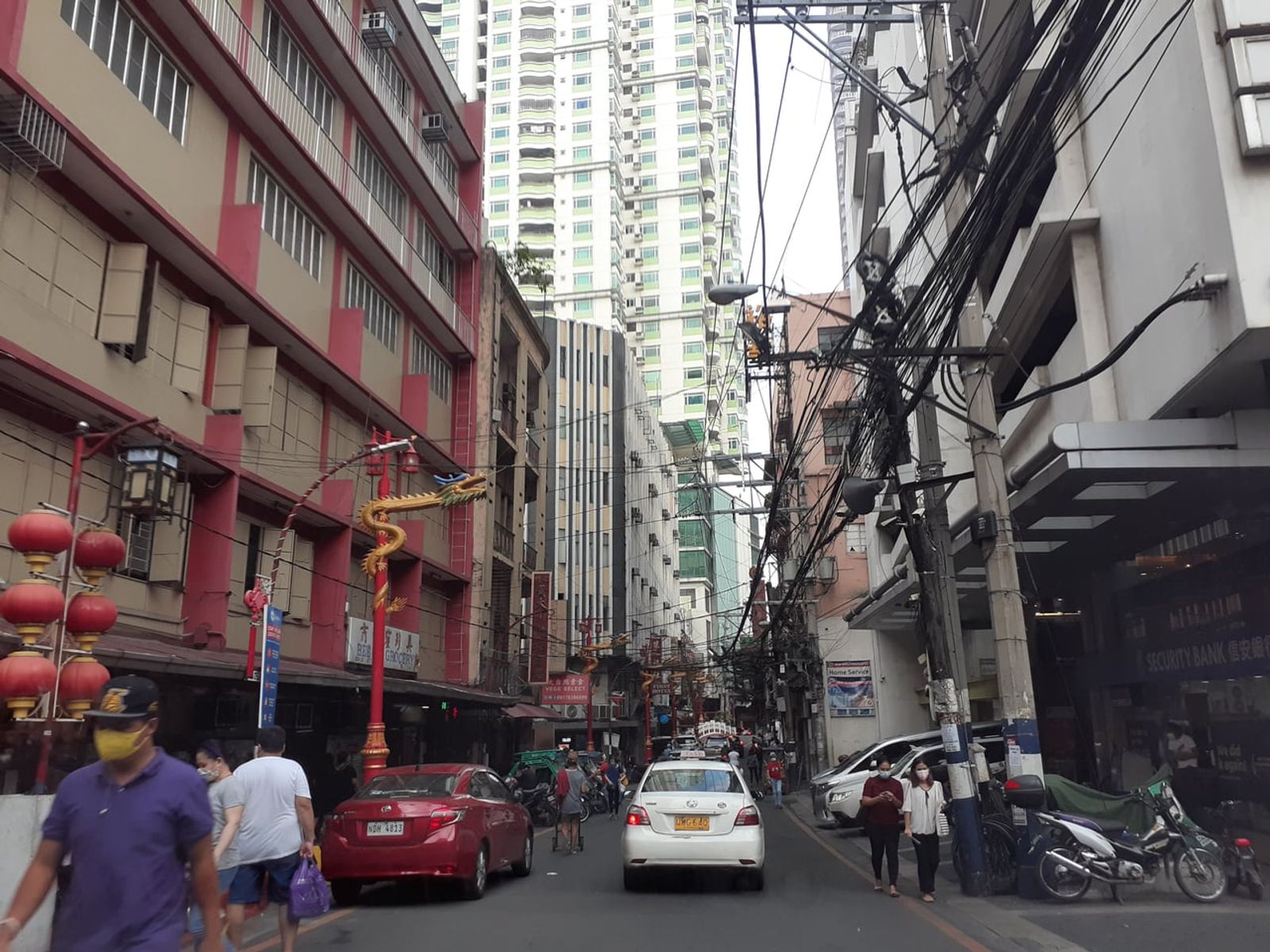
Ongpin Street, Binondo · Photo: JWilz12345 / CC0 (Wikimedia Commons)
 PhilippinesManila
Eating Through Binondo: What the World's Oldest Chinatown Gave Filipino Food
Binondo in Manila, founded in 1594, is widely called the oldest Chinatown in the world. Here is how lumpia, siopao and hopia brought by Fujianese immigrants became Filipino food, and how to eat your way along Ongpin Street.
1594: A Neighborhood Across the Pasig River
Binondo sits just across the Pasig River from Intramuros, Manila's old walled city. In 1594 the Spanish governor Luis Pérez Dasmariñas set the land aside as a permanent settlement for Chinese immigrants who had converted to Catholicism, which is why it is so often called the oldest Chinatown in the world. The Spanish called Chinese merchants and artisans sangleys, and at first confined them to a quarter near Intramuros known as the Parian. Binondo was created to replace it. Where the name comes from is debated: one theory links it to the old Tagalog word binondoc, meaning hilly, another to a mangrove plant that grew along the river.
Names That Came From Fujian
Binondo's food traces back to Hokkien speakers from southern Fujian. Hokkien is still spoken in the district, and many Chinese-Filipino dish names come straight from Hokkien pronunciation. Lumpia, for example, comes from the Hokkien lūn-piáⁿ (潤餅), roughly "soft, moist cake." Hopia, the pastry filled with bean paste, is usually glossed as "good pastry," and tikoy, the sticky rice cake of the Lunar New Year, comes from the Hokkien 甜粿. Over centuries, marriages between Chinese immigrants and local Filipinos created a Chinese mestizo community, and along the way these foods became everyone's food. Lumpia is now eaten all over the Philippines, but its name still points back to Binondo.
Lumpiang Sariwa: The Fresh, Unfried Lumpia
Say lumpia in the Philippines and most people picture the thin, crisp fried lumpiang Shanghai, which, despite the name, did not come from Shanghai. The one to seek out in Binondo is the unfried lumpiang sariwa, or fresh lumpia. Minced vegetables and pre-cooked meat or seafood, stretched with jicama, are wrapped twice: first in a lettuce leaf, then in a yellow egg crêpe. A thick sauce made from stock and starch goes on top, finished with crushed roasted peanuts and raw garlic. It descends from the Fujianese popiah, which explains the sweet peanut notes. Binondo has long-running eateries that specialize in fresh lumpia, and it makes a good meal alongside a bowl of hot soup.
Siopao and the Side-Street Snacks
Siopao, the steamed bun sold all over the Philippines, is Chinese-Filipino too. The two classic fillings are asado, sweet-savory braised pork, and bola-bola, a meatball. Binondo is also known for fried siopao, steamed and then pan-fried until the base turns crisp, best eaten the moment it comes out. Local guides to Binondo's food list plenty more: beef brisket noodle soup, pork-and-chive dumplings, kiampong (savory fried sticky rice), oyster cake, congee and traditional pastries. Portions are mostly modest, so the classic way to enjoy the district is a food crawl, hopping between places and trying a little at each. If you are in a group, order one of each and share.
How to Walk Ongpin Street
The spine of any food walk is Ongpin Street, lined with Chinese shops, tea houses, restaurants and hawker-style stalls, with more old eateries tucked into the narrow lanes and canal-side streets around it. Using Binondo Church and its plaza as a landmark makes it easy to find your way. Binondo has always been about commerce. Before World War II, the banks clustered on nearby Escolta Street, once called the Wall Street of the Philippines, and the district is still packed with businesses run by Chinese Filipinos. Shops are liveliest in the daytime, and walking in the late morning or early afternoon avoids the lunch crush. Some small places take cash only, so carry small bills, and order a little at a time rather than everything at once.