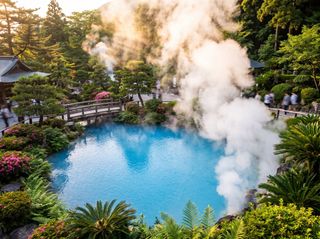
Kannawa
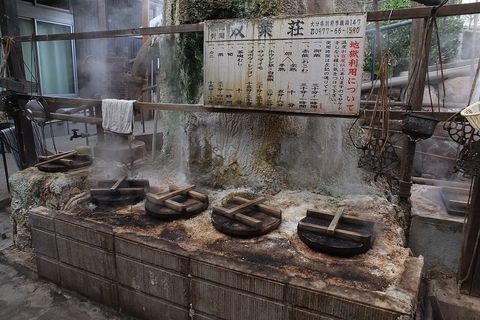
Jigoku mushi (hell steaming)
Seafood, vegetables and eggs steamed in hot spring vapour. No oil involved, so the ingredients taste of themselves.
Written by hand, not generated. Dishes, markets, timing and prices for Beppu.
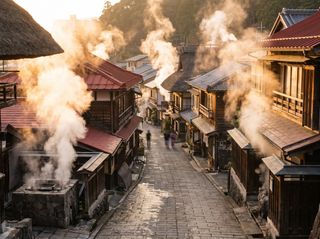
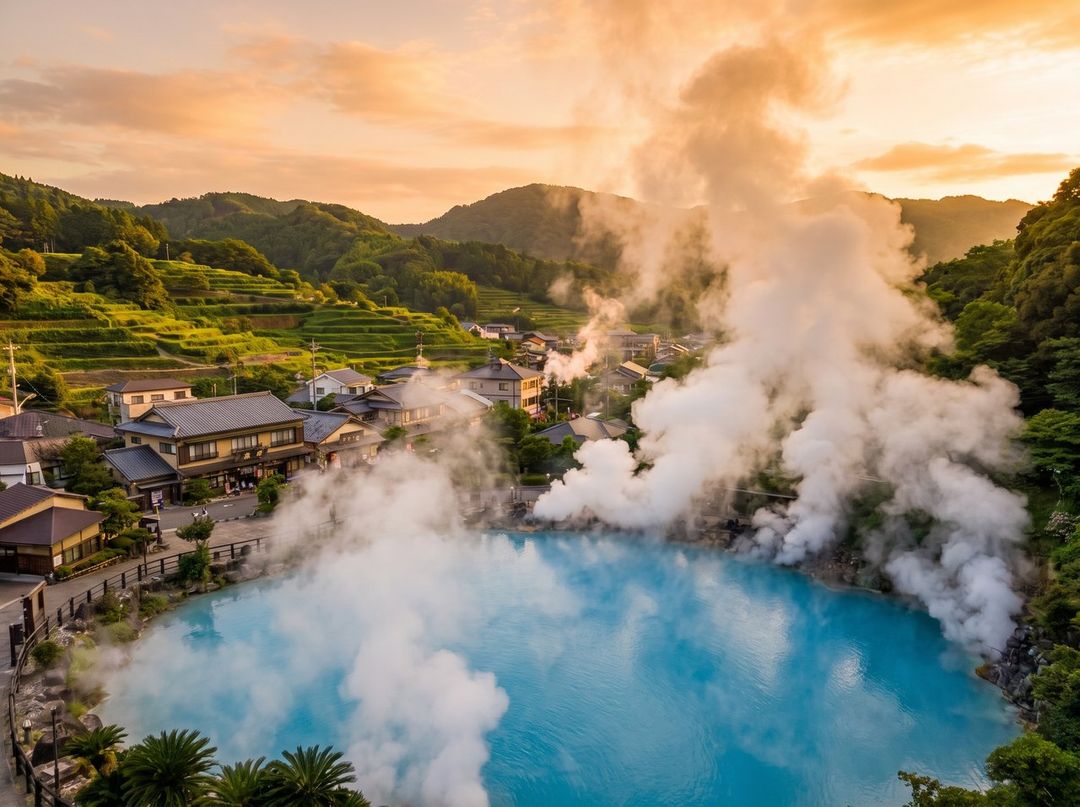
Steam rises across this town, and cooking with it is still part of daily life. You can eat steamed food in restaurants or steam it yourself at public facilities, which turns the cooking itself into part of the visit.
Start with the local defaults
Seafood, vegetables and eggs steamed in hot spring vapour. No oil involved, so the ingredients taste of themselves.
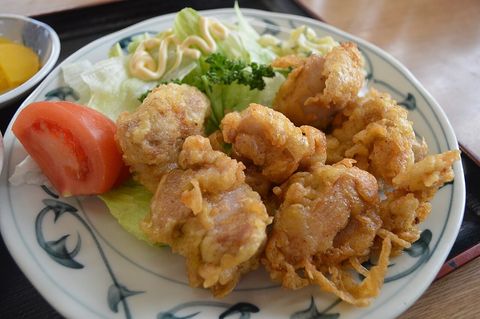
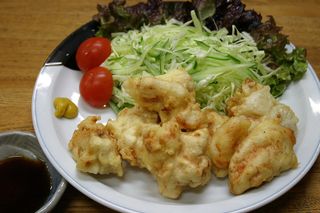
Chicken in a thin tempura batter, dipped in ponzu. Eaten throughout Oita prefecture.
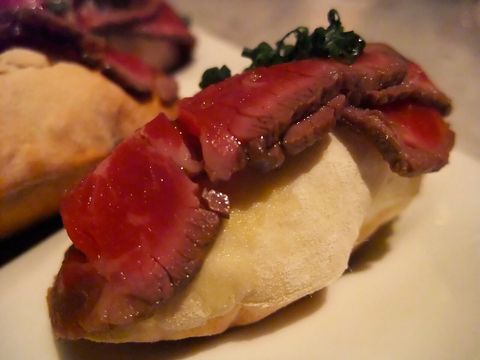
The local beef brand, served as steak or shabu-shabu.
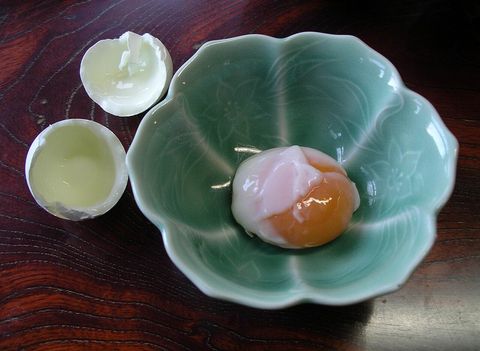
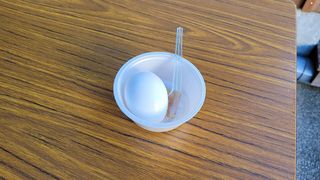
Eggs cooked in spring water until the white sets soft. Sold singly at stalls.
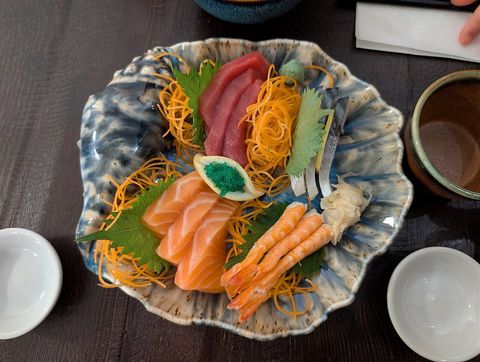
Fish caught in the strait, eaten raw.
Markets, streets and harbours
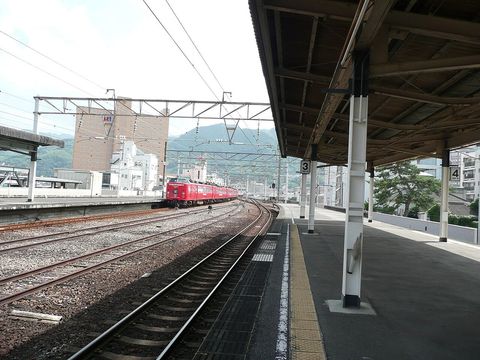
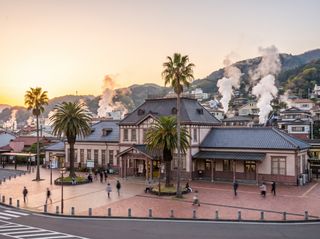
The downtown cluster of restaurants and shops, and the transport base.
Restaurants nearby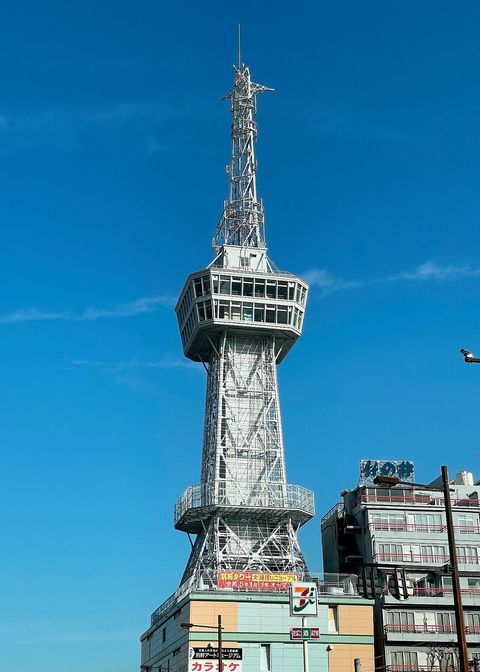
Between Beppu Station and the sea, the station-front street and the Kitahama area hold izakaya, toriten set-meal diners and small bars. Toriten, the local fried-chicken speciality, is said to have started at a restaurant near here in 1926; evenings after a bath usually end up in this quarter.
Restaurants nearby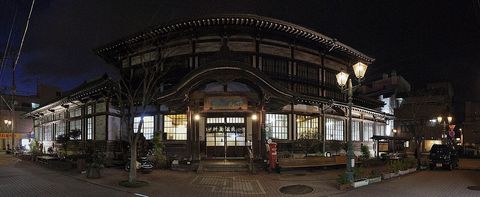
A quarter around an old wooden bathhouse.
Restaurants nearby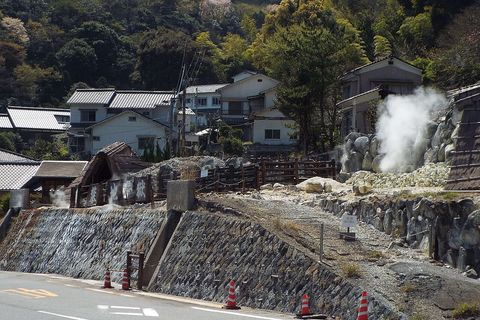
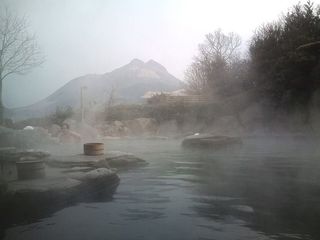
A hillside spring area selling products made from the spring minerals.
Restaurants nearbyA steaming set runs JPY 1,500-2,500, a toriten set JPY 1,000-1,500, and a hot spring egg JPY 100-200.
Beppu
Real visits shared by TastyLog foodies