Jeonju
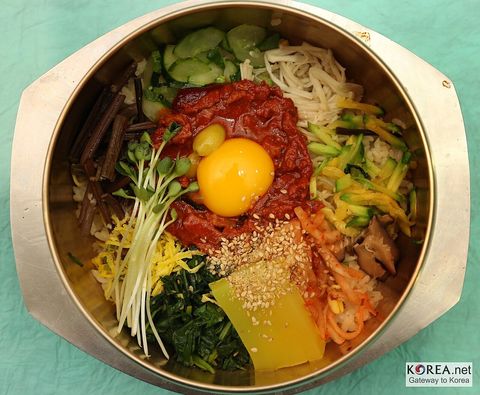
Jeonju bibimbap
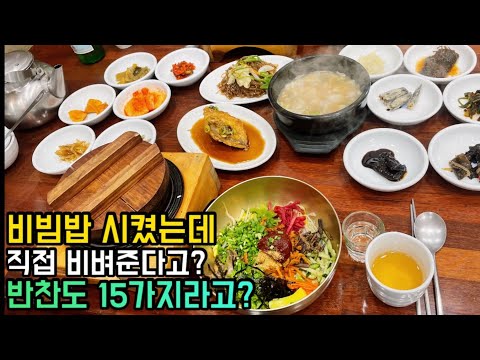
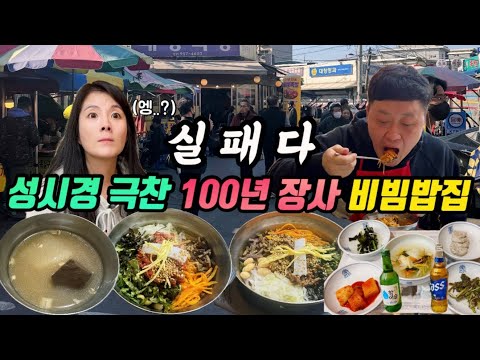
Vegetables and raw beef over rice in a brass bowl, mixed with chilli paste. It comes with an unusually large spread of side dishes.
Written by hand, not generated. Dishes, markets, timing and prices for North Jeolla.
Jeonbuk sets a heavy table. Each city has its own axis — bibimbap and bean sprout soup in Jeonju, loach soup in Namwon, Chinese food and bakeries in Gunsan — and underneath all of it sits a strong culture of fermented pastes.
Start with the local defaults
Vegetables and raw beef over rice in a brass bowl, mixed with chilli paste. It comes with an unusually large spread of side dishes.
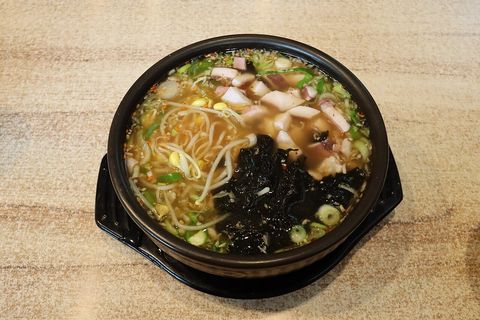
Rice in hot bean sprout broth with a poached egg on the side. Mostly a breakfast trade.
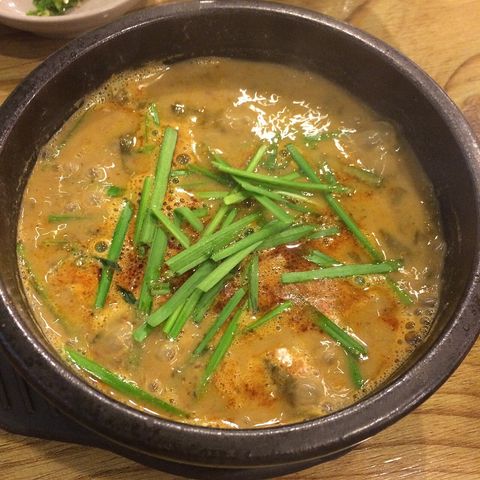
Loach ground and simmered with soybean paste, finished with perilla and sansho pepper.
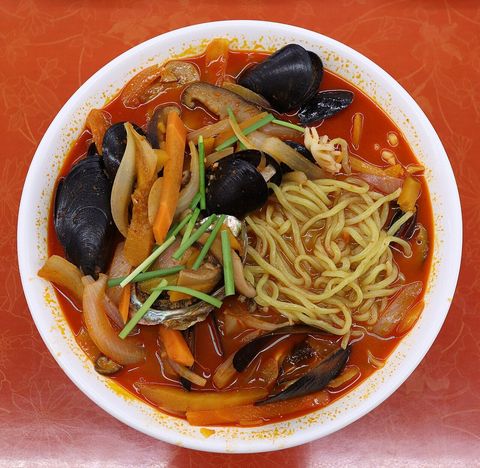
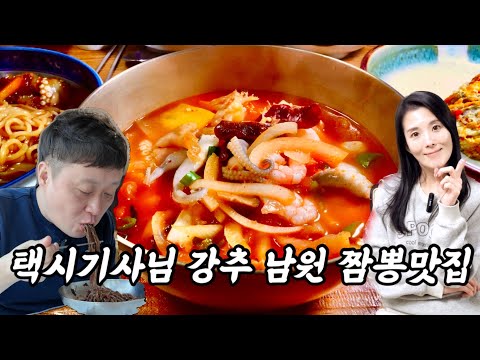
The port city kept its Chinese-Korean cooking, and spicy seafood noodles are what its restaurants lead with.
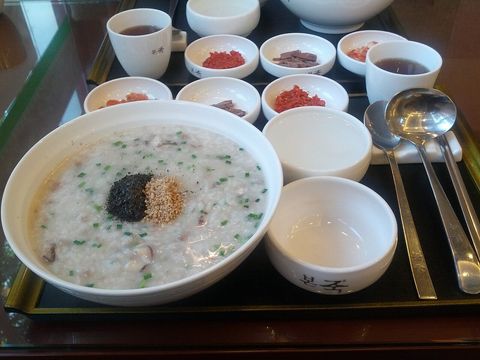
Rice porridge cooked with hard clams — a morning dish of the tidal flat districts.
Markets, streets and harbours
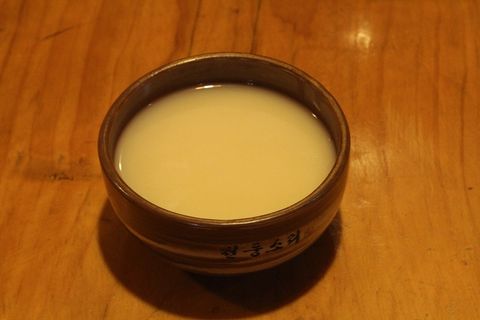
Bars where ordering a kettle of rice wine brings a spread of food with it.
Restaurants nearby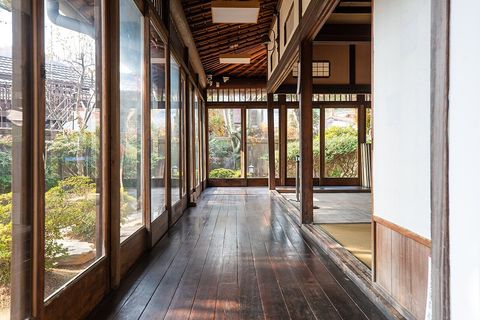
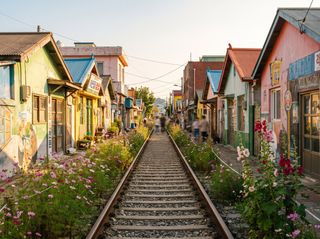
A district of early-modern buildings with long-running Chinese restaurants and bakeries.
Restaurants nearby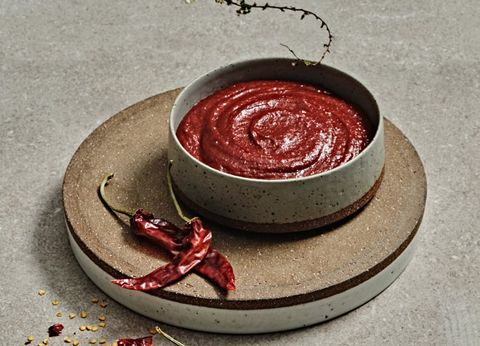
A village-scale trade in fermented pastes, made and sold on site.
Restaurants nearby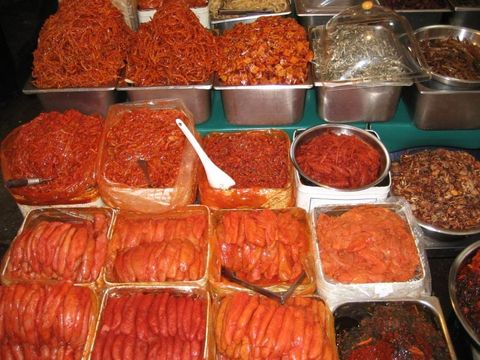
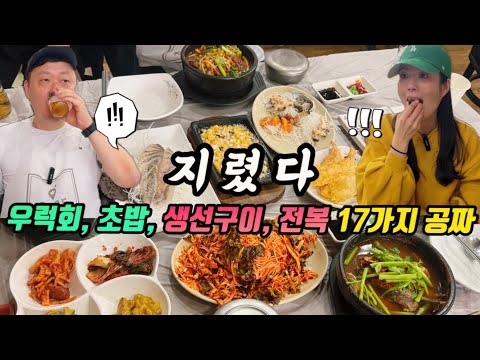
Beside Gomso Port, shops and restaurants specialize in salted seafood. The local format is a set meal that puts a dozen kinds of jeotgal on one table.
Restaurants nearby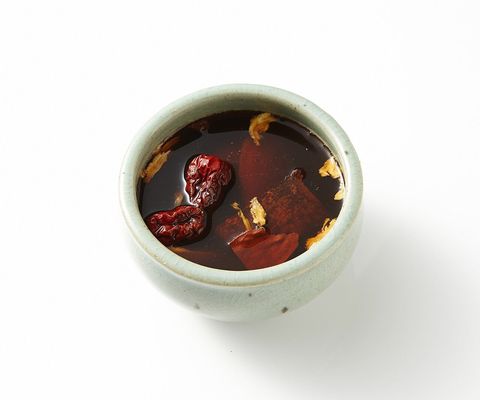
Traditional tea houses cluster in an alley in Jangmyeong-dong, Jeongeup. People come after a meal for a bowl of ssanghwa tea simmered with nuts and jujubes.
Restaurants nearby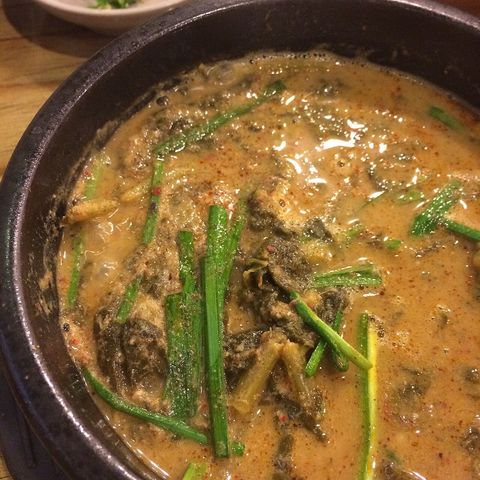
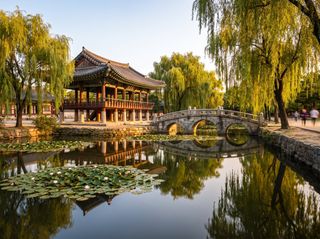
A street of loach soup (chueotang) restaurants clustered around Gwanghallu Garden. It grew from Saejip, opened in 1959 by a woman from Hadong, into Namwon's signature soup district.
Restaurants nearby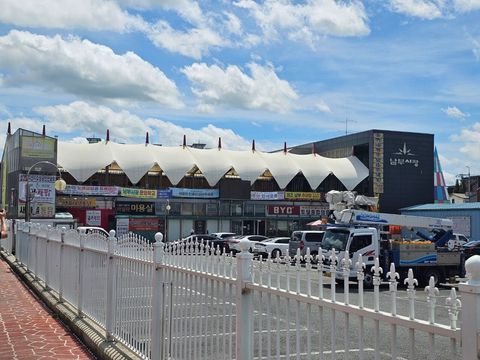
A restaurant alley clustered around the Gukje Market intersection in Busong-dong, Iksan. Some 20 eateries serving gopchang, pork cutlet and more make it a favorite evening dining strip for locals.
Restaurants nearby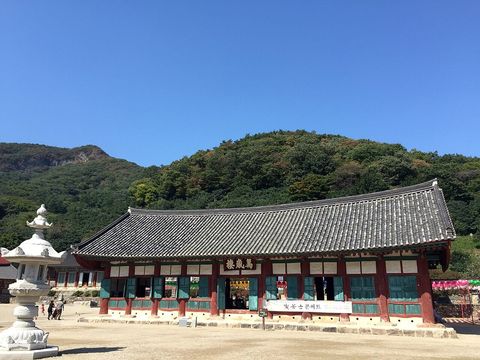
A grilled-eel restaurant street lining the approach to Seonunsa Temple in Seonunsan Provincial Park. It serves eel caught where seawater meets fresh water at the Incheon River estuary, Gochang's signature delicacy.
Restaurants nearbyBibimbap runs KRW 12,000-15,000, bean sprout soup KRW 8,000-9,000, and a kettle of makgeolli with food KRW 20,000-30,000.
North Jeolla
Real visits shared by TastyLog foodies