Food guides
Written by hand, region by region — dishes, markets, timing and prices. No generated text.
By region · Korea
Pick a region to see what to eat, where, and when
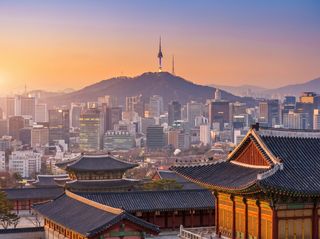
Seoul stacks six centuries of capital-city cooking, postwar alley diners, and food from every corner of the world into one city.
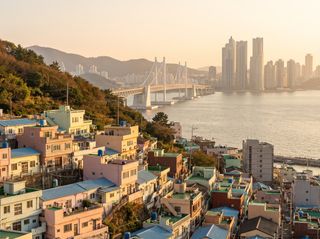
Busan is a port city whose food came out of two things: refugees who moved south during the Korean War, and whatever the boats brought in that morning.
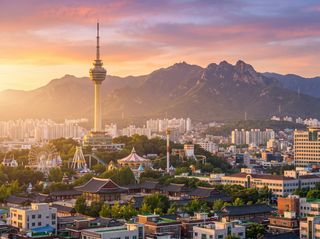
Daegu sits in a basin that traps summer heat, and its food carries the habits of a textile and market town: offal grilled over fire, and soups with real chilli heat.
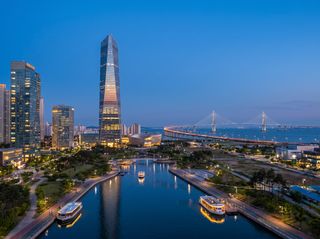
Incheon holds a treaty port, a working harbour and a set of islands in one city.
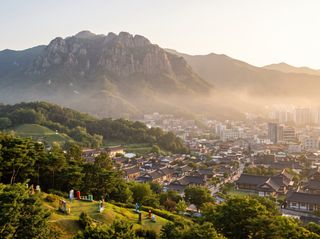
Gwangju is where the cooking of the Jeolla provinces concentrates.
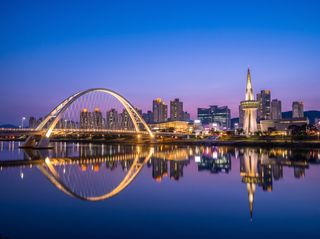
Daejeon grew where the rail lines crossed, and its food reflects that: dishes you eat quickly and move on.
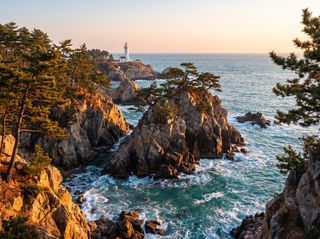
Ulsan is an industrial city that also has the East Sea on one side and the Taehwa River running through it.
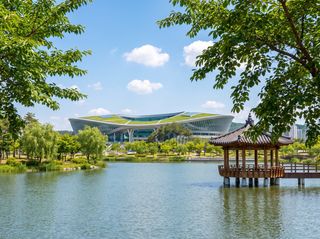
Sejong was created as an administrative capital in 2012, so it has newly built commercial districts rather than inherited local dishes.
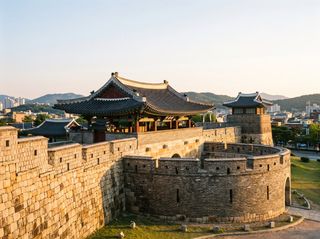
Gyeonggi wraps around Seoul, and each city in it eats differently.
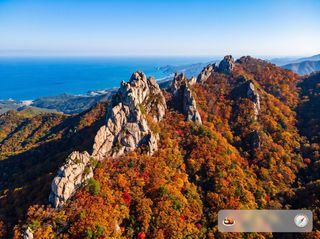
Mountains and sea sit close together here, so upland crops — buckwheat, potato, corn — and East Sea fish share the same table.
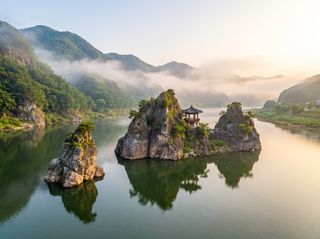
This is a landlocked province, so freshwater fish, mountain greens and field crops carry the table.
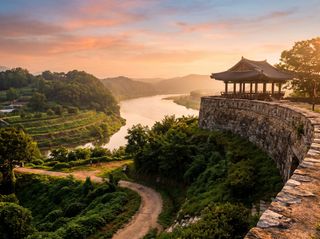
Chungnam has both West Sea tidal flats and broad farmland, so salted seafood, oysters and shellfish sit alongside grain-based cooking.
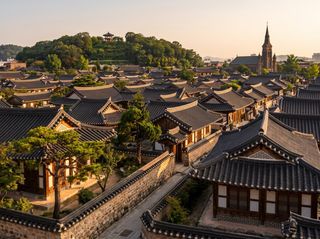
Jeonbuk sets a heavy table.
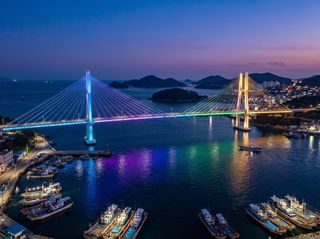
Tidal flats, an archipelago and wide farmland in one province make for unusually deep supply.
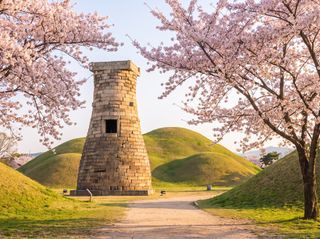
The inland and the coast here are two different worlds.
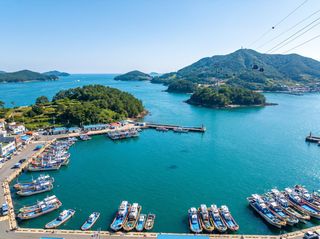
Gyeongnam holds south coast fishing towns and inland cities in the same province.
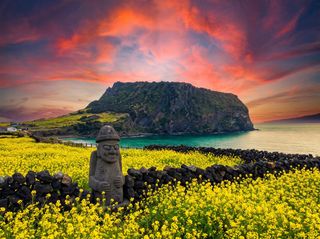
Jeju is a volcanic island with almost no rice paddies, so pork, seafood and field crops carry the cooking.
How to
Short reads before you go